SA food pledge masks Botswana supply chain fragility

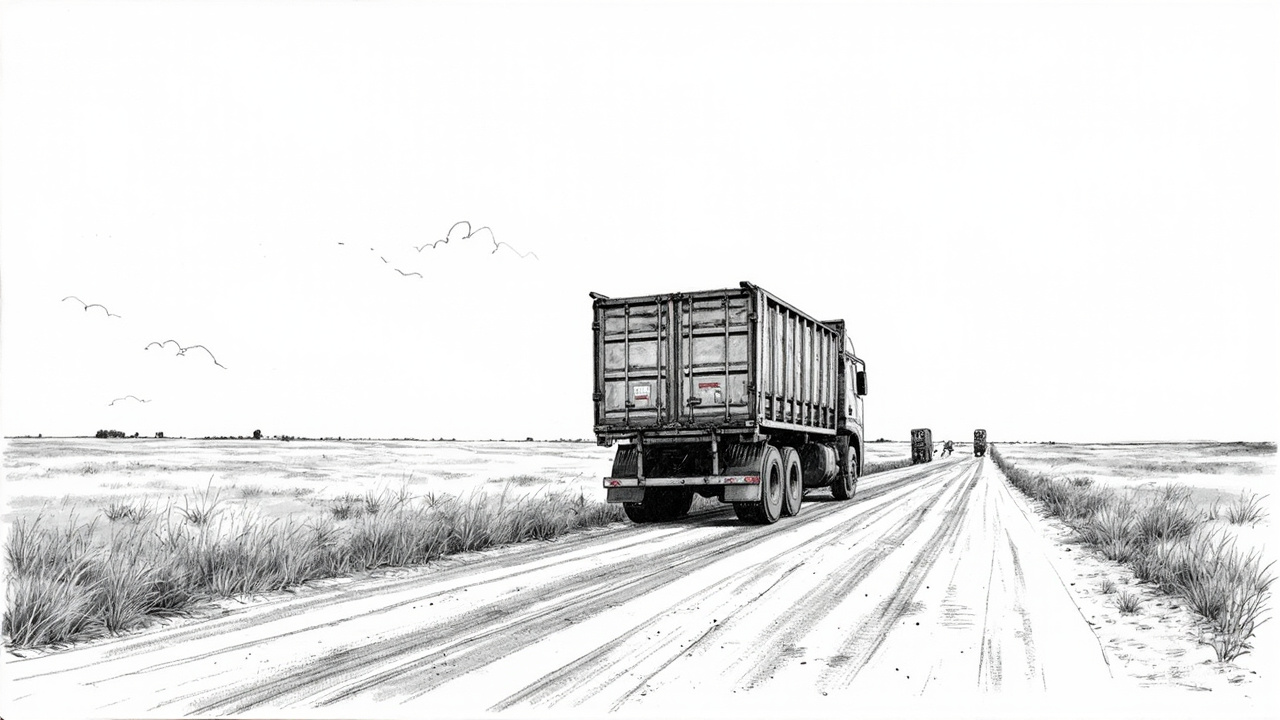
South Africa’s pledge of stable food exports to Botswana reveals a deep dependency, not regional strength. Botswana, with one of Sub-Saharan Africa’s highest per capita incomes, remains yoked to its southern neighbor for basic staples. This supply chain vulnerability, amid Middle East conflict and global disruptions, is a structural risk investors in Gaborone cannot ignore. The assurance from South Africa’s Agricultural Business Chamber is a political comfort. It is not an economic guarantee.
The SADC trade paradox
Botswana’s market stability rests on a shaky foundation: slow regional trade integration. A free trade agreement between the 16 member states of the Southern African Development Community could create a 277-million-person free trade zone, per a U.S. trade guide. That deal remains stalled. The slow pace of negotiations has delayed meaningful trade liberalization. This leaves landlocked Botswana reliant on a single, dominant agricultural anchor. South Africa’s promise of continued supply is a short-term fix for a long-term strategic weakness. For investors, this signals that Botswana’s high income is insulated from local policy but exposed to external shocks from its sole major supplier.Regulatory friction and hidden costs
The promise of unimpeded food flow masks on-the-ground inefficiencies that inflate costs. Botswana’s business environment, while stable, is hampered by excessive red tape relating to licenses and permits. Import logistics face the compounded challenge of expensive and poor-performing internet, according to the same trade guide. These frictions add time and cost to every shipment crossing the border. They act as a silent tax on food security. For agribusiness investors or retailers in Botswana, the headline ‘no threat’ is meaningless if the route is choked by bureaucracy and poor infrastructure. The real risk is not a sudden stop, but a steady erosion of margin and reliability.South Africa will keep sending trucks north. But investor confidence must look beyond official statements. Watch for concrete progress on regional trade pacts and Botswana’s internal regulatory reforms. Until then, the nation’s wealth is precariously linked to a single, congested road.