Botswana fuel subsidy debt hits P2.3B as NPF buckles

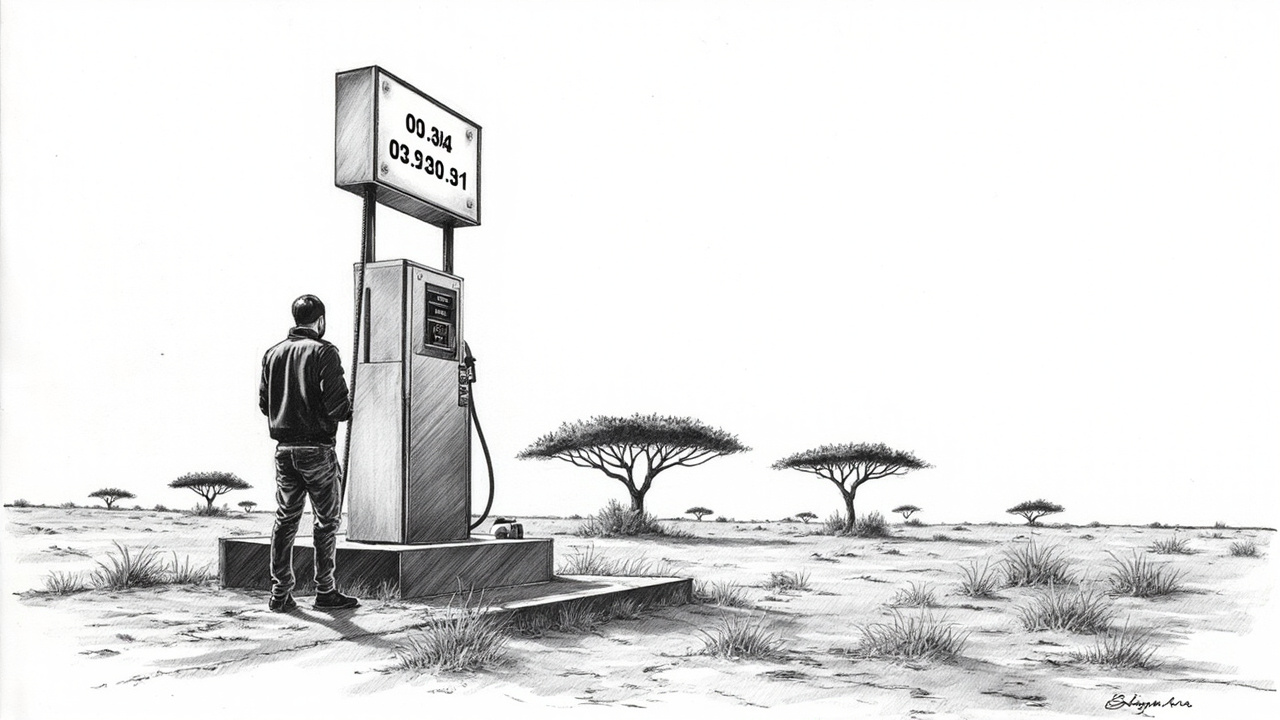
The National Petroleum Fund is bleeding. It absorbed P789 million in March 2025 alone. Since April 2023, total draws hit P2.3 billion, according to Business Weekly. Minister Bogolo Kenewendo told Parliament the fund disbursed P262 million in subsidies over the past three months but still owes oil companies. The gap between what consumers pay and the real cost of fuel keeps widening.
The subsidy trap
Botswana's fuel price stabilization mechanism was designed for short-term shocks. It has now been running on emergency mode for three years. Every month of elevated global crude prices adds to the NPF's deficit. The fund has no independent revenue stream, it relies on government transfers. Those transfers are competing with education, health, and infrastructure. Something has to give.
The P2.3 billion figure is not pocket change. Botswana's total budget for 2025/26 is around P80 billion. That means fuel subsidies have consumed nearly 3% of the budget in three years. And that number is climbing.
Who gets hurt first
Oil marketing companies (OMCs) carry the payment risk. They supply fuel on credit, then wait for NPF reimbursement. Delays force them to borrow at commercial rates, squeezing margins. Some may reduce imports, creating local shortages. The opposition Botswana Congress Party has already sued the government over the fuel crisis. Political pressure is building.
Consumers will eventually pay. Either through higher pump prices if subsidies are cut, or through higher taxes if the government bails out the NPF again. There is no free lunch.
Investor angle
For investors watching Botswana's sovereign risk, this is a flag. The government has limited fiscal buffers, diamond revenues are cyclical, not guaranteed. Persistent subsidy debt erodes the credibility of fiscal management. It also signals reluctance to pass through global energy costs to end users. That can distort investment decisions in energy-intensive sectors like mining and manufacturing.
The broader worry: if the NPF collapses, Botswana faces a fuel supply crisis. That would disrupt mining operations, transport, and logistics. The Botswana Power Corporation already struggles with generation capacity. Fuel shortages would compound the power problem.
Expect the government to announce subsidy reforms within 12 months. The status quo is not sustainable. Smart money is already pricing in higher fuel costs and looking at alternative energy investments in Botswana.