Botswana cattle lockdown tests farm credit as BCP demands zoning

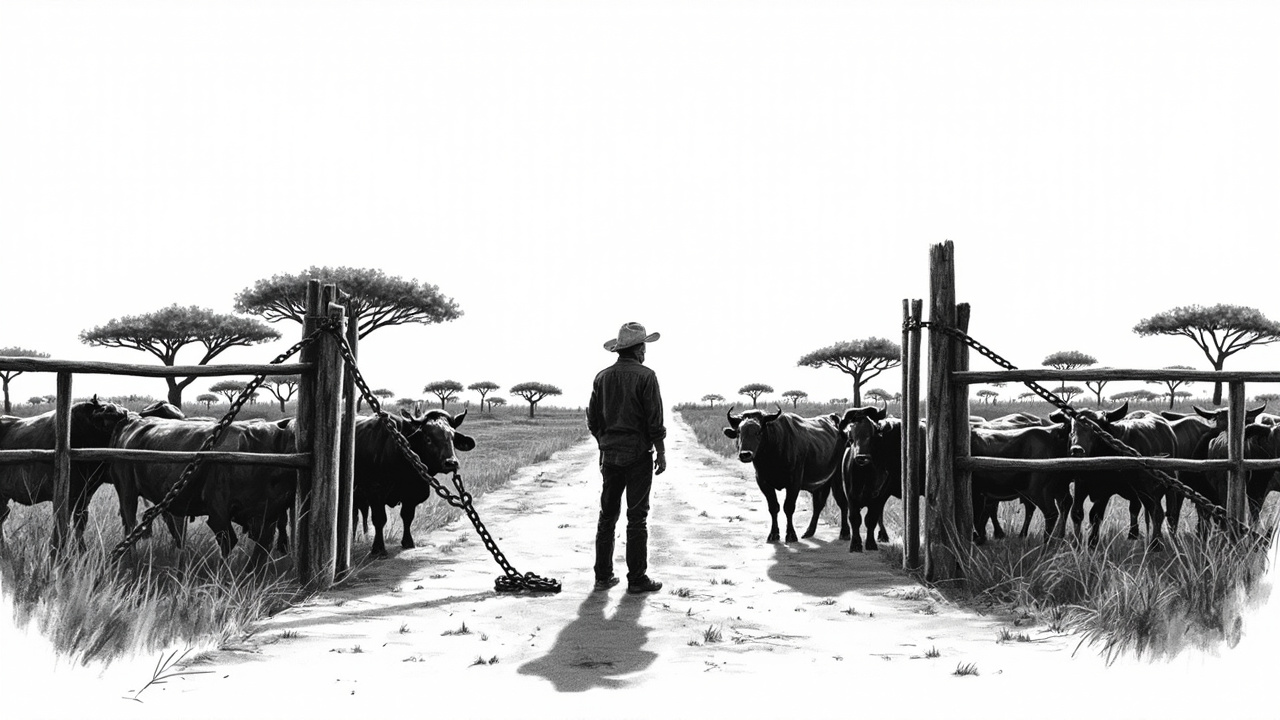
Botswana markets for livestock are pricing in a policy error. The government's foot-and-mouth disease lockdown holds every herd inside a blanket movement ban, and the Botswana Congress Party now wants clean areas reopened. Dr Kesitegile Gobotswang, the BCP's shadow minister of lands and agriculture, argues the government's own surveillance findings undercut the case for holding disease-free zones in the same cage as infected ones.
That is not a small complaint. It goes to whether this country manages animal disease by geography or by panic.
Blanket bans are the expensive option
A movement ban is cheap to announce and costly to run. Farmers in areas with no detected infection cannot sell, cannot move breeding stock, and cannot hit the weights buyers want. Their costs do not pause. Feed, labour, and debt service keep running.
The BCP's demand looks narrow: open the clean zones. The logic behind it is broader. If surveillance already shows which districts are free of disease, the state has the map it needs to run zonal controls instead of a national freeze. Keeping the freeze means farmers who followed vaccination and reporting rules pay for the failures of those who did not.
That mismatch is where rural credit starts to crack. Lenders who take cattle as security get nervous when the asset cannot legally move. Expect veterinary decisions, not banking ones, to determine which farms stay solvent through the next two quarters.
What the dispute says about sequencing
Gobotswang is arguing about order of operations, not about abandoning the FMD fight. Clean areas should trade. Infected areas should wait, under guard. The government's own surveillance findings are the evidence he is leaning on.
The political risk is that the agriculture ministry treats any reopening as a concession to the opposition. That would be a mistake. Disease control that ignores its own data loses the cooperation of the farmers it depends on, because reporting a suspect case then becomes self-harm. Herd owners who hide symptoms to keep cattle moving are the real threat to export certification.
This suggests the second-order effect lands on trade credentials, not just on this season's sales. Importers buy from countries that can prove control, zone by zone. A state that cannot separate clean from dirty on its own maps will struggle to convince anyone else that it can.
Who quietly benefits
Traders with storage, feed, and cash benefit from a lockdown that squeezes smallholders into forced sales. That is the quiet cost of a blunt ban. Breeding stock consolidating into fewer, better-capitalised hands is the outcome nobody announces.
The government has not published its basis for keeping every district shut. Until it does, the BCP's demand will keep gaining traction with farmers who have already lost a season.
Expect pressure to move from parliament to the kgotla, where cattle wealth is counted in animals, not statements. If the ministry opens nothing, it defends a policy it cannot evidence. If it opens the clean zones, it admits the blanket approach was the wrong tool. Either way, the surveillance file becomes public currency.
The trade test is simple. A clean area that cannot sell is not clean, it is closed.