Botswana Diamond Crisis: Investors Should Brace for More Cuts

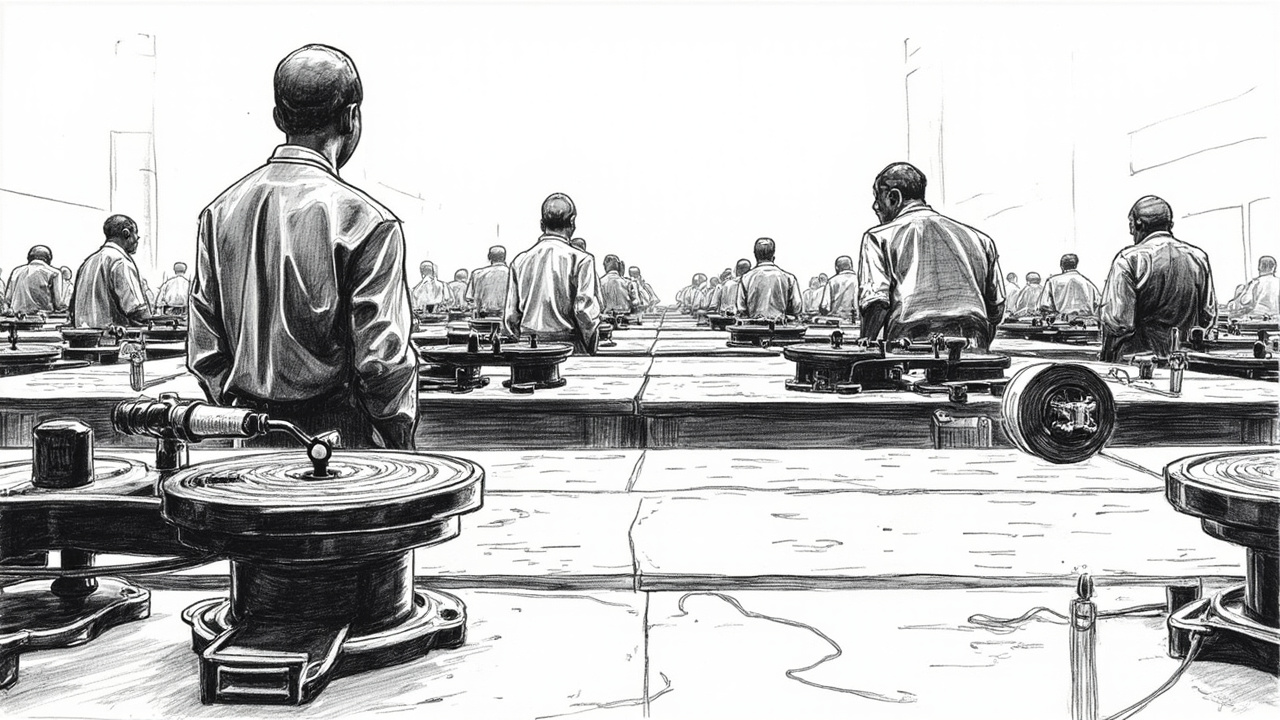
The formal dispute declared by the Botswana Diamond Workers Union at Genesis HB Botswana is not just a labour issue. It signals that the country's diamond value chain is cracking where it matters most for investors: midstream processing.
Genesis HB, a cutting and polishing firm owned by Belgian technology company HP Antwerp, is cutting jobs. The union says it is a dispute, not a reorganisation. The company is wholly private, with zero government shares, despite the state having tried to buy 49.9%. The failed stake acquisition tells you something: either the government saw no value, or the seller did not want them in.
The dispute and the failed stake
The Botswana government's attempt to take a near-majority stake in Genesis HB was touted as a way to secure local value addition. But the deal never closed. That silence matters. If the state believed the company was a long-term winner, it would have pushed harder. It did not. The implication is clear: the economics of diamond cutting and polishing in Botswana are deteriorating.
Global pressure on natural diamond prices is not new. Lab-grown stones have eaten market share. But Botswana's midstream sector is especially exposed because its cost base is high: electricity, labour, logistics. A cutting house running at thin margins cannot absorb job cuts without questioning its viability.
The BDWU dispute is about retrenchments, but the real story is demand destruction. Genesis HB's parent, HP Antwerp, is a technology firm. It may be using Botswana as a cost-cutting test before shifting more operations elsewhere. If the plant closes, that would mean a significant loss of skilled jobs and a gap in Botswana's ambition to move up the diamond value chain.
What investors should watch
The government's failed stake is a red flag for any investor looking at diamond processing assets in Botswana. The state has both financial and regulatory tools to support the sector, but it chose not to use them here. Expect more disputes at other cutting houses.
Who gets hurt? The workers first, then the local suppliers. The bond market could feel it if Debswana, the 50/50 joint venture with De Beers, faces pressure to cut production. Right now Debswana is quiet, but mining output is tied to global demand. If midstream can't absorb rough, Debswana will have to stockpile or cut.
Botswana's diamond story has been built on the stability of its mining-tax regime and the strength of Debswana. The Genesis HB dispute punctures that narrative. The government cannot, or will not, prop up every part of the chain. Investors should recalibrate their exposure to Botswana diamonds: the easy money from rough sales is over, and the value-add experiment is stalling.
Expect more bad news from the midstream before year-end. The BDWU dispute may be the first but it will not be the last.
Disclaimer: This analysis is based on the Sunday Standard report and general industry knowledge. No specific financial data from the companies was available.