Botswana's diamond addiction drives emigration crisis

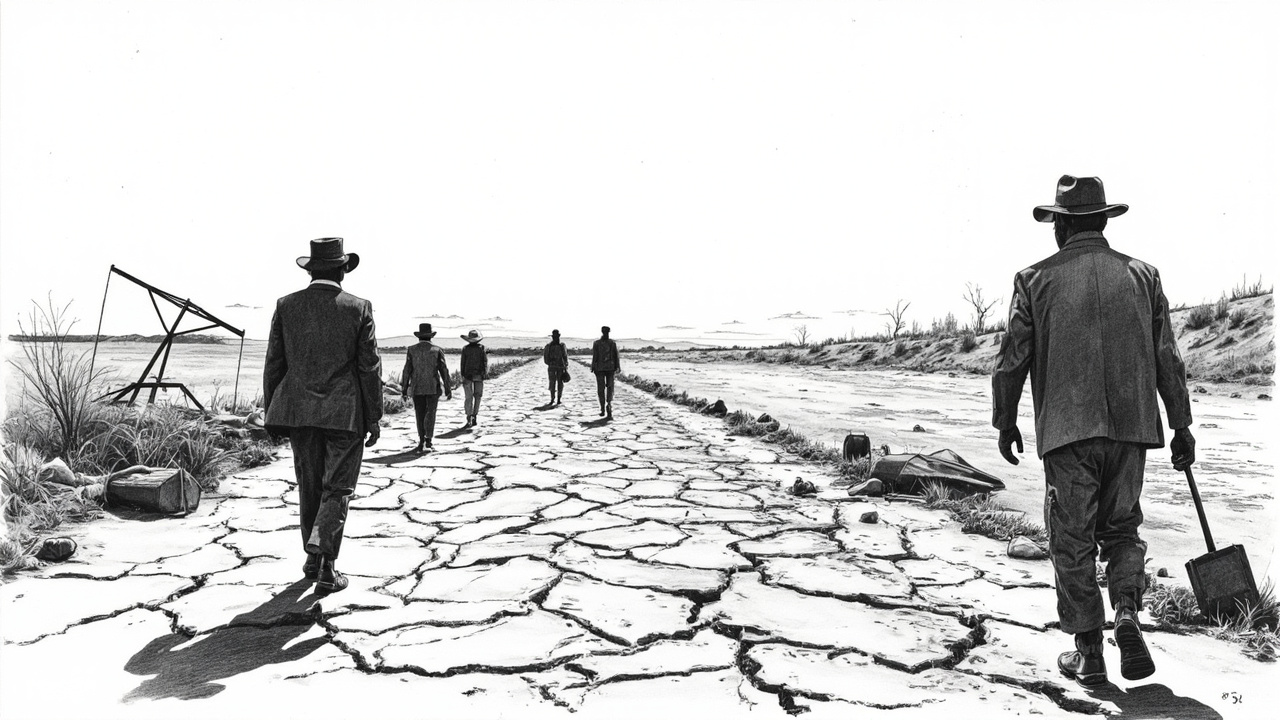
Batswana are fleeing to Europe. A Sunday Standard report reveals scores of citizens seeking asylum abroad as unemployment rises and mineral revenues shrink. The government's own National Voluntary Report on the Global Compact for Migration confirms the desperation. This is what a stalled economy looks like.
Economic contraction and poverty stagnation
Botswana's economy has experienced a contraction, with the government report noting worsening economic conditions. Recovery is projected, but it is barely enough to make up lost ground. The poverty rate has remained stubbornly high, essentially unchanged for a decade. Stagnation, not recovery.
Diamonds built Botswana. They also made it complacent. When revenue from the mines declines, as it is now, there is no Plan B with enough scale to plug the gap. The result: a population that votes with its feet.
What the emigration signals to investors
Emigration is a lagging indicator, not a leading one. The people leaving are the ones who saw the writing on the wall years ago. For investors, this raises three questions.
First, domestic demand. Fewer people means a smaller consumer base. Retail, real estate, and services will feel it first.
Second, labor supply. Botswana already struggles to retain skilled workers in health, education, and engineering. The outflow of even a small fraction of the skilled workforce compounds productivity problems.
Third, fiscal pressure. Fewer taxpayers and lower diamond revenues force the government to choose between cutting spending or borrowing more. Neither is good for the pula or sovereign credit ratings.
The government's response so far has been incremental. No bold diversification push. No urgency. The National Voluntary Report itself is a sober document. It does not sugarcoat the crisis. That honesty is rare, but it is also an admission that policy has failed.
The risk of a balance of payments crunch
Botswana's foreign reserves, built from decades of diamond windfalls, offer a cushion. They are finite though. If diamond prices remain soft and SACU transfers, a key revenue source, decline, the cushion thins fast. Expect pressure on the pula and, eventually, a need to approach the IMF or other lenders.
The World Bank has issued forecasts for growth, but those are technical projections based on commodity prices and base effects. They do not capture the structural decay. A generation of Batswana sees no future at home.
Investors should watch two things: the government's next budget for signs of austerity or stimulus, and monthly diamond sales data from Debswana. If asylum applications accelerate while those numbers stay flat, the crisis is deeper than the headline suggests.
Botswana's story was always a cautionary tale about resource dependence. Now the caution has arrived.