Botswana BDP infighting threatens energy reforms

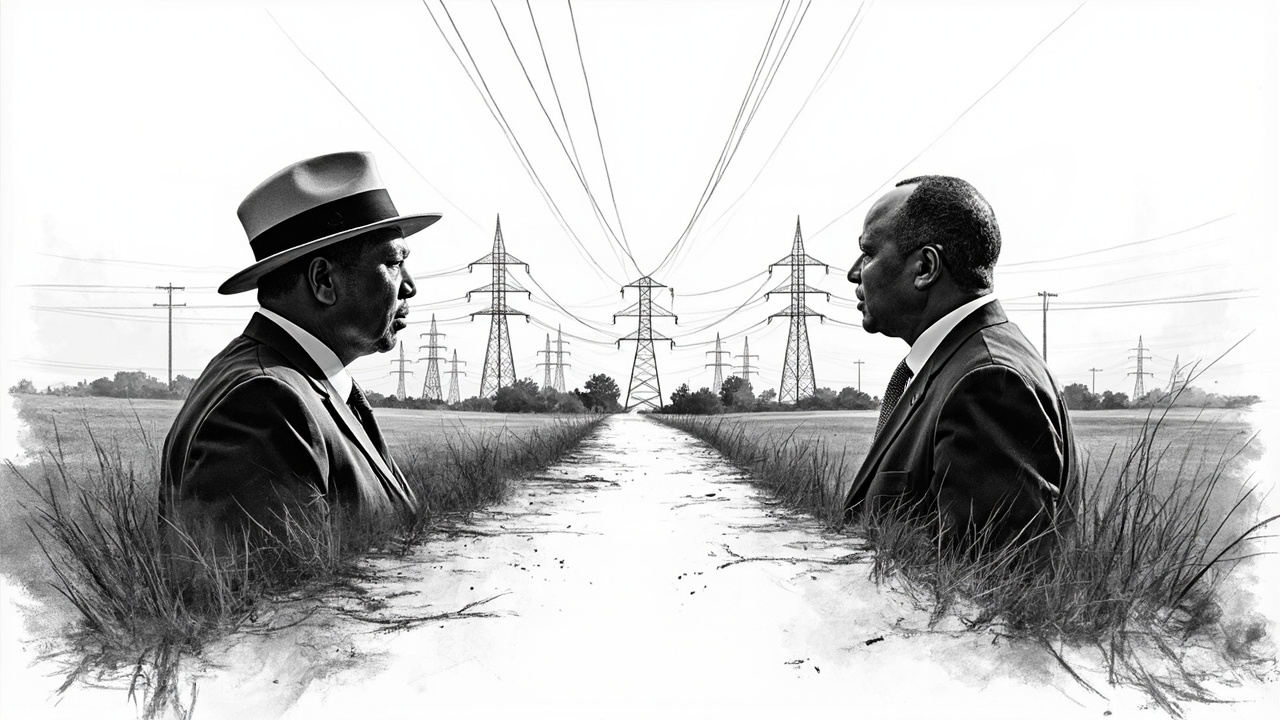
Mpho Balopi has led the Botswana Democratic Party for less than a year, taking over months after the party lost power after nearly six decades. Now some party figures want him out over a personal debt. That is a mistake, but the threat itself signals something deeper.
The Sunday Standard report says ousting Balopi because of a debt he or his company owes would be silly. Maybe. But the fact that the party is even discussing this suggests internal fractures that go beyond one man's balance sheet.
Political risk and internal party fractures
Botswana has been the poster child for stable African governance. The BDP ruled for 58 years. Losing the 2024 election was a shock. Now the party is fighting itself instead of rebuilding. That instability matters to investors.
The power sector is one area where such disruption could have consequences. Botswana’s electricity supply depends on imports, and domestic generation capacity is limited. The government has been working on reforms to attract independent power producers and improve grid access. Political squabbling in the BDP risks slowing those efforts.
The debt claim against Balopi is not the issue. The issue is that party insiders feel bold enough to weaponize a personal matter against a leader who has not even had a year to settle. That tells you the BDP is still in shock from losing power. They are not focused on the country’s broader policy challenges.
Expect delays in tariff adjustments and payment guarantees for new projects. Regulatory approvals for new generation have been a point of discussion in Botswana, and a distracted BDP will not push for faster action.
Energy sector fallout and who quietly wins
If the BDP remains weak, the ruling Umbrella for Democratic Change (UDC) government has less pressure to deliver quickly. That is a mixed blessing. The UDC ran on ambitious reform promises, but if the opposition is fragmented, they may drag their feet.
The real loser is anyone waiting for lower electricity costs or more reliable supply. Industrial users in Botswana – including mining and manufacturing – face significant tariff pressures. Delays in new capacity mean higher costs for longer.
Quietly, South Africa’s power utility may benefit. If Botswana cannot move quickly on new generation, it remains a captive customer. The utility’s own restructuring efforts could be eased by maintaining strong export demand.
Balopi’s survival matters less than the party’s ability to function. If the BDP spends the next six months fighting over a debt notice, they will not scrutinize the government’s energy policy. That is bad for accountability and bad for investors who need policy predictability.
The bottom line: Botswana’s political stability is fraying. The BDP’s internal crisis is a risk to energy sector reforms. Watch for signs of leadership change or a split. If the party falls into open warfare, expect the government to slow down. Investors should price in higher policy uncertainty for Botswana’s power sector over the next 12 months.