Botswana Markets Face 16-Year AGOA Window With Weak Manufacturing

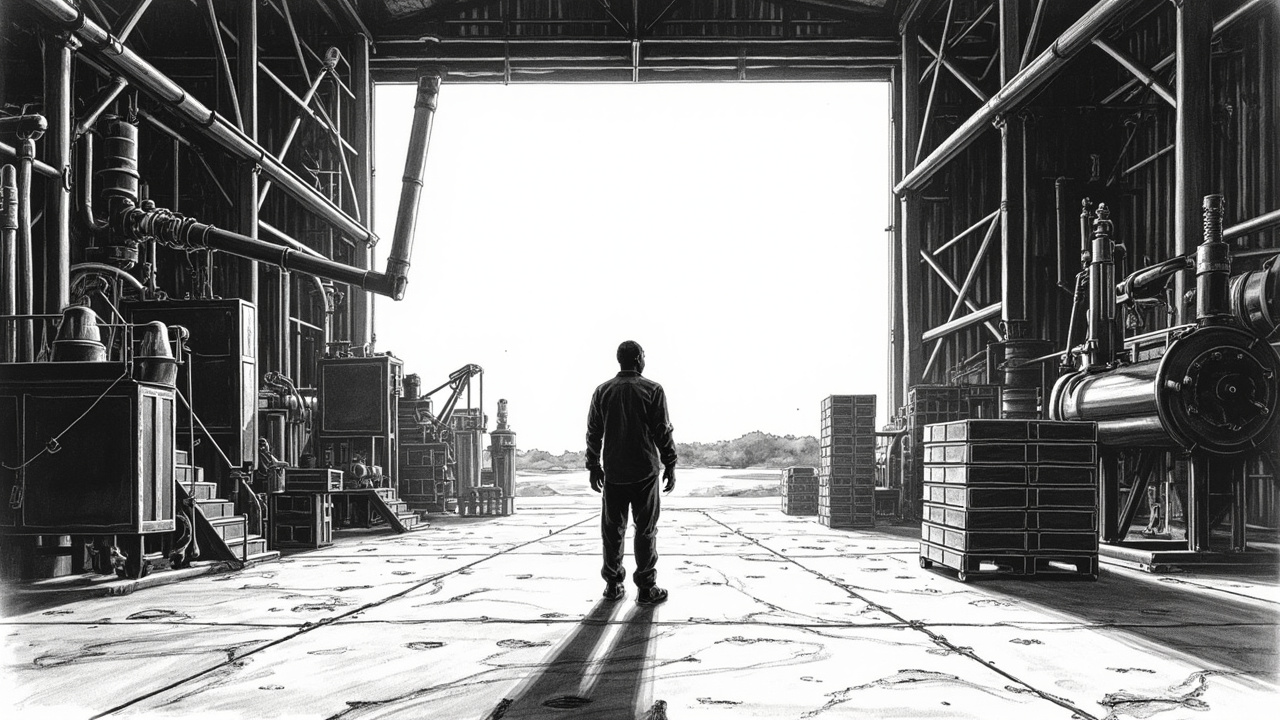
Manufacturing sector unprepared for extended US market access
Botswana markets have been handed a 16-year lifeline through the AGOA Renewal and Improvement Act of 2024, but the country's manufacturing base remains too weak to capitalize on extended US market access. The original source story claiming "just one year" misses the actual legislative timeline, Senator Coons and Senator Risch introduced legislation providing a substantial 16-year extension, not the narrow window initially reported.
This mismatch is stark. Botswana has time but lacks industrial capacity. The country's export profile remains dominated by diamonds and beef, with minimal value-added manufacturing despite decades of AGOA eligibility. Local manufacturers struggle with the same structural constraints that have plagued the program continent-wide.
Supply-side constraints limit AGOA utilization
The extended timeline exposes Botswana's deeper competitiveness problem. Research shows AGOA suffers from "low preference utilization rates" and "supply-side challenges" that prevent benefits from reaching most African economies. Botswana exemplifies this pattern, eligible for preferential access but unable to produce at scale for US consumers.
power sector constraints compound the manufacturing challenge. Botswana relies heavily on South African electricity imports, creating cost and reliability issues that undermine industrial competitiveness. The country's own generation capacity remains limited, with coal-fired plants providing most domestic supply but at tariffs that squeeze manufacturing margins.
Government agencies have worked to promote manufacturing diversification, but structural challenges persist. Without reliable, affordable power and developed supply chains, manufacturers cannot compete with Asian producers even with AGOA's duty-free access.
Strategic repositioning required for US competition
The 16-year extension forces a strategic choice. Botswana can continue its current approach, treating AGOA as a nice-to-have export bonus, or commit serious resources to building manufacturing capacity. US lawmakers view AGOA renewal as "crucial to remaining competitive with other global powers, such as China and Russia", suggesting Washington expects more aggressive African participation.
This opens opportunity for focused industrial policy. Botswana could target specific manufacturing niches where its diamond revenue provides capital for investment and its political stability attracts US buyers seeking supply chain diversification from China. Textiles and light assembly operations represent obvious starting points, but success requires addressing power costs and logistics constraints.
The risk is complacency. Sixteen years feels like forever, but building manufacturing capacity takes decades. Countries like Ethiopia and Kenya have spent years developing AGOA-focused industrial parks with mixed results. Botswana's late start means it must move faster and smarter to capture meaningful US market share before the next renewal debate begins.
Critical window for industrial development
Botswana's manufacturing sector faces fundamental challenges that extend beyond AGOA preferences. The country's small domestic market limits economies of scale, while distance from major ports increases logistics costs. Regional integration through the African Continental Free Trade Area could help address market size constraints, but implementation remains slow.
The government must also consider skills development and technology transfer. Manufacturing competitiveness requires more than preferential trade access - it demands workforce capabilities, management expertise, and production technologies that can compete globally. Building these capabilities requires sustained investment and strategic partnerships.
Expect limited near-term impact from the AGOA extension. Botswana's manufacturing sector lacks the scale and cost structure to compete immediately. The real test comes in the medium term, whether the government uses this extended window to build serious industrial capacity or continues relying on commodity exports while AGOA benefits flow to more prepared African economies.