South Africa Tech Outsourcing Hits Power Grid Reality Check

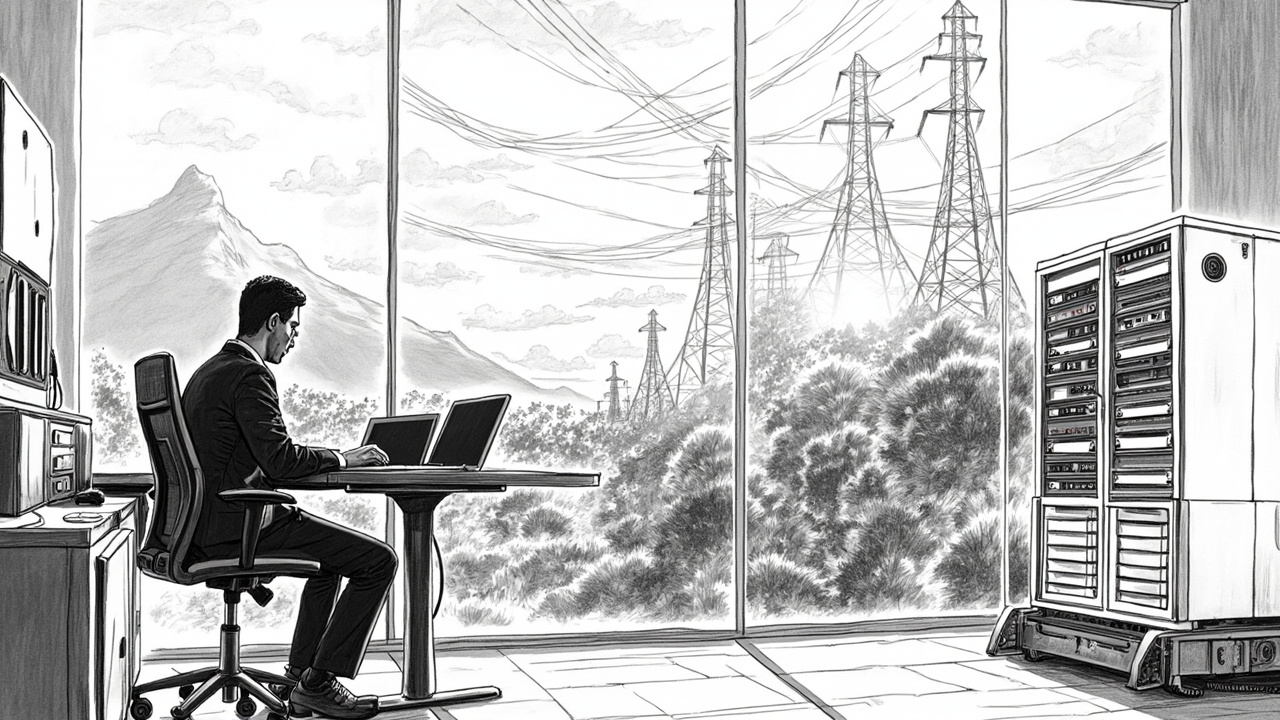
Infrastructure constraints bite back
South Africa's tech outsourcing sector targets USD 3.15 billion by 2030, but Eskom's unreliable grid creates operational risks that growth projections ignore. While Grand View Research positions South Africa as "the fastest growing regional market in Middle East & Africa," every outsourcing contract now carries an implicit power risk premium.
Companies like Ventrica operate call centers across South Africa, according to BBC reporting, but load shedding doesn't pause for client SLAs. BPO providers face a stark choice: invest in backup power systems or lose multinational contracts to competitors with reliable infrastructure.
The parallel power economy creates consolidation pressure
South Africa's BPO providers run dual power systems - grid plus backup generation. Globe Newswire data shows the country's "top-performing" status, but operational resilience under Stage 4 load shedding drives up costs that flow directly to client pricing.
Wheeling regulations compound the problem. South Africa's embedded generation licensing remains unclear, and private power purchase agreements face regulatory delays through NERSA that make long-term planning impossible. Multinational companies outsourcing to South Africa bet on grid access that may not exist by 2030.
Smaller BPO providers who can't afford backup infrastructure face elimination. Survivors will be those with embedded generation or direct renewable energy contracts - assuming the National Energy Regulator approves them.
Market bifurcation accelerates by 2027
The Business Process Enabling South Africa (BPESA) acknowledges that "outsourcing in South Africa is not without its challenges." Power reliability tops that list, even if marketing materials ignore it.
Premium providers with reliable power infrastructure will command higher rates, while budget operators gamble on Eskom's grid stability. The USD 3.15 billion projection assumes both tiers survive.
Expect 40% of smaller BPO providers to exit by 2027 as backup power costs exceed profit margins. Only operators with embedded generation licenses or direct wheeling agreements will capture the premium outsourcing contracts that justify South Africa's growth targets.