South Africa's Litecoin Cloud Mining Hype Hits Eskom Reality

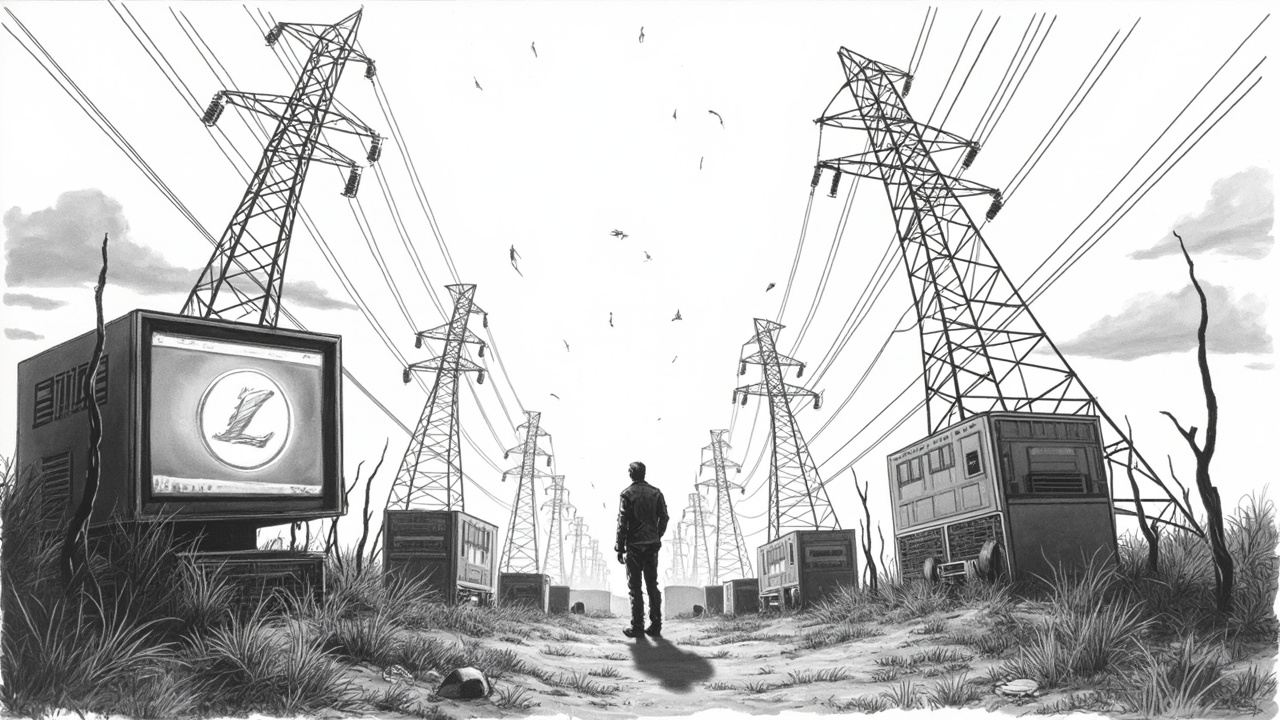
South Africa's tech investors face a stark choice. They can chase advertised crypto returns from Litecoin cloud mining. Or they can check Eskom's latest load shedding schedule. The two are incompatible. Promotional articles list platforms like DeepHash, which offers short contracts and a principal protection pool according to MEXC News. These platforms sell passive income. They ignore the active crisis in South Africa's energy grid. For local investors, this is not a tech arbitrage. It is a fundamental power arbitrage that does not exist here.
The power paradox of African crypto mining
The business model is simple: cloud mining rents remote computing power, with the provider covering hardware and electricity costs. In South Africa, electricity is the core risk. Eskom's debt exceeds R400 billion. The utility cannot guarantee stable baseload. Managed decline is the official policy. A cloud mining operator promising stable returns would need its own generation fleet. It would then face municipal wheeling charges and Nersa licensing. The math collapses. High electricity costs make Litecoin mining inaccessible for most, as noted in industry reports per BitcoinEthereumNews. A platform offering 'competitive returns' in 2026 is either lying about its energy source or its margins.
Regulatory gray area and capital control risks
The Financial Sector Conduct Authority (FSCA) regulates financial products. It does not recognize cloud mining contracts as such. IG Markets South Africa Limited is an authorized derivative provider cited by MEXC News. That fact is used to lend credibility to adjacent sectors. It provides none. South African exchange controls add another layer of risk. Repatriating mining profits in fiat requires a SARB approval. Most cloud mining platforms pay in crypto. Converting that to rands through a licensed local exchange like VALR or Luno creates a taxable event. The South African Revenue Service (SARS) is targeting crypto gains. The passive income dream becomes a tax compliance nightmare.
Investors should see these platforms for what they are: unregulated, cross-border utility contracts. Their viability depends on ultra-cheap, stable power. That does not exist in South Africa. The second-order effect is capital flight. Money chasing these returns leaves the local economy. It funds data centers in Kazakhstan or Texas. The quiet beneficiaries are the platform operators collecting fees for a service they may not sustainably provide. The losers are local investors facing hidden forex and tax liabilities. Expect the FSCA to issue a consumer alert on cloud mining by mid-2027. Until then, assume every promised return is net of a Stage 6 blackout.