Helix Earth's $12M HVAC Bet Tests South Africa Tech Reliance

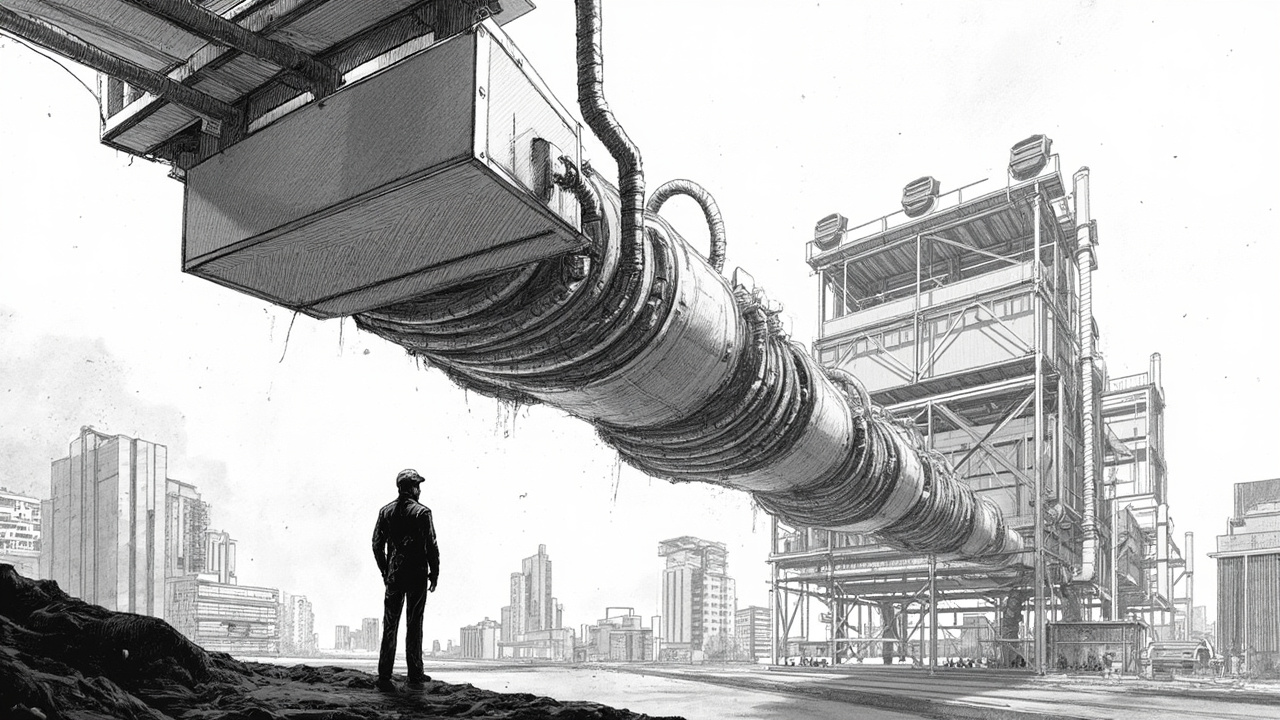
Helix Earth's $12 million seed round is a U.S. story with a South African twist. For investors here, it highlights a dependence on foreign innovation for energy efficiency. The Houston-based firm's NASA-derived HVAC tech targets commercial buildings globally. But in South Africa, where load-shedding hikes operational costs, the real question is why local startups aren't leading this charge.
south africa's hvac market under pressure
Commercial and industrial cooling demand is rising. A Straits Research report details the South Africa HVAC systems market, forecasting growth to 2033. Energy costs and unreliable power push building owners toward efficiency retrofits. This creates a ready market for solutions like Helix Earth's. But local manufacturers face stiff competition from imported tech. The National Energy Regulator of South Africa (NERSA) sets efficiency standards, yet policy often lags behind innovation. Investors should watch for regulatory updates that could tilt the playing field.
the afcfta promise meets foreign tech reality
AfCFTA rhetoric champions regional integration and local production. Yet key energy-saving tech still flows from outside Africa. Helix Earth's investors include Veriten and Anthropocene Ventures, per a RefIndustry report. These are U.S. and European funds. Their bet signals where smart money sees returns: in selling efficiency to emerging markets, not building it there. This exposes a gap in African venture capital for deep tech. The African Development Bank's climate finance goals mean little if hardware patents remain overseas. South-South trade corridors under AfCFTA should prioritize tech transfer, but progress is slow.
investor implications: retrofit rush or missed opportunity?
Property owners in Johannesburg or Cape Town may cut energy bills with Helix Earth's systems. The retrofit market could boom. But local HVAC firms risk losing market share. The Department of Mineral Resources and Energy (DMRE) could introduce tax incentives for locally assembled efficient systems. No such policy exists yet. For fund managers, the play is twofold: back distribution deals for foreign tech, but also pressure policymakers to foster homegrown R&D. The risk is a perpetual import dependency, eroding long-term industrial policy.
Helix Earth's funding is a symptom. South Africa's energy crises demand solutions, but without a strategic push for local innovation, the continent will keep buying rather than building. Expect more foreign capital flowing into African efficiency plays. Watch for NERSA's next move on standards, it could make or break local contenders.