Google AI Search Surge Tests South Africa's Power Supply

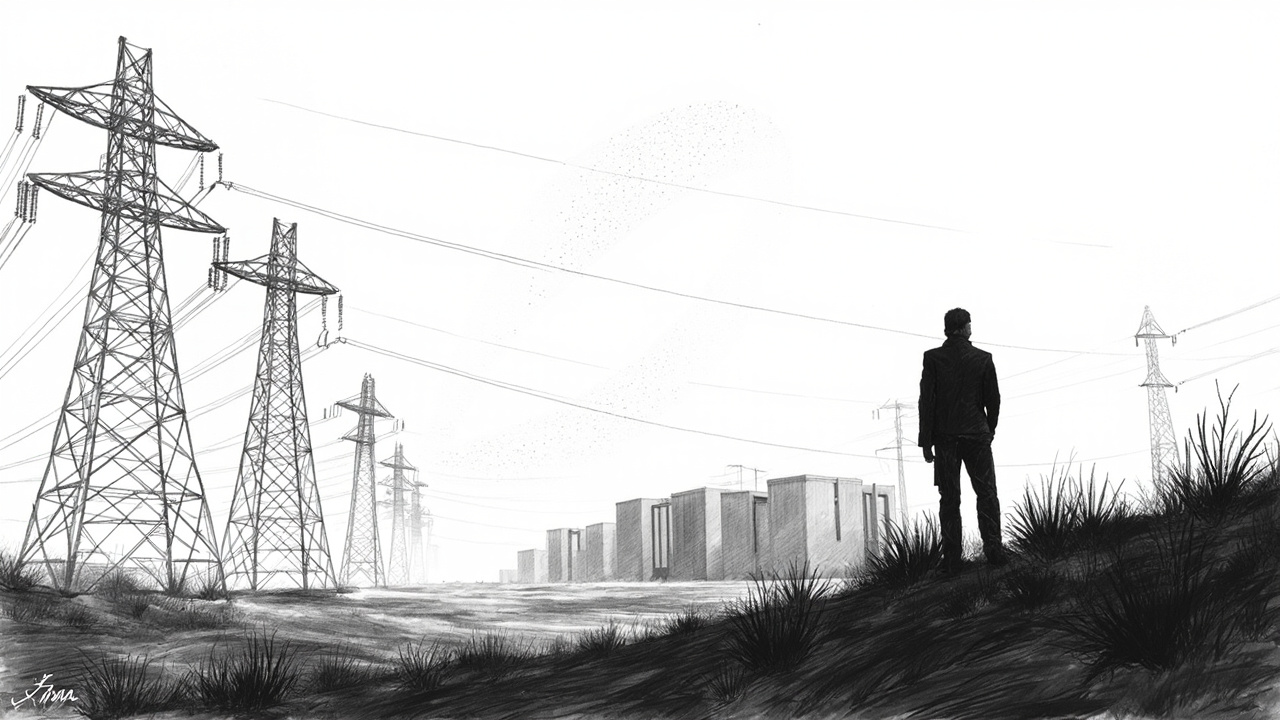
Google's AI Overviews are driving record search volumes and 19% revenue growth, CEO Sundar Pichai told analysts. But that surge in computational demand comes with a cost South Africa cannot afford to ignore: electricity. The country's grid, already buckling under years of load shedding, will face new strain as data centers power AI-generated answers for millions of users. This is not a problem for next year. It is a problem now.
The numbers look good
Pichai said AI Overviews pushed queries to an all-time high and delivered "higher quality clicks" in 2026. Google launched Search Generative Experience in Sub-Saharan Africa in November 2023, and Wambui Kinya manages the product from South Africa. The revenue growth is real, and the trend is upward. Usage growth has continued to accelerate since the US rollout, according to Pichai. South African users are now part of that data-hungry loop.
But every AI query requires more compute than a traditional link-based query. That means more server time, more cooling, more electricity. Google runs its own data centers in South Africa, and those facilities already consume notable power. With load shedding still a reality and Eskom's generation capacity stuck below 30,000 MW, every additional megawatt for data centers comes at the expense of households or businesses.
Who gains, who loses
Data center operators and cloud providers are the quiet winners. They will see more demand for colocation and managed services as Google scales. Local companies like Teraco and Vantage Data Centers could benefit from spillover contracts. But the losers are clearer: Eskom, which must find capacity for this new load, and South African ratepayers, who will face higher tariffs to fund grid upgrades.
The risk is that Google's AI expansion becomes a wedge issue. The government wants tech investment to boost growth, but the grid cannot support uncontrolled demand. Expect tighter regulations on data center power procurement, possibly linking new builds to renewable energy commitments. The Google blog announcing the 2023 SGE launch did not mention power constraints. It should have.
The second-order effect
Pichai's confidence is rational for Google's shareholders. For South African investors, the question is whether the grid can support the AI rollout without breaking the broader economy. If data center energy demand grows 10-15% annually and Eskom delays new generation, the risk of rolling blackouts for residential users increases. That cuts consumer spending, hurts small businesses, and ultimately reduces the number of queries South Africans can even make.
The irony is that AI search is supposed to make life easier. In South Africa, it might make the lights go out more often. Expect Google to face pressure to fund off-grid solar or battery storage for its local facilities. If it does, that sets a precedent for other hyperscalers. If it does not, the tension between tech growth and power reliability will only intensify. This is a classic infrastructure bottleneck. And bottlenecks have a way of killing growth.