Eskom Lifts Load Reduction for 140,000 Customers

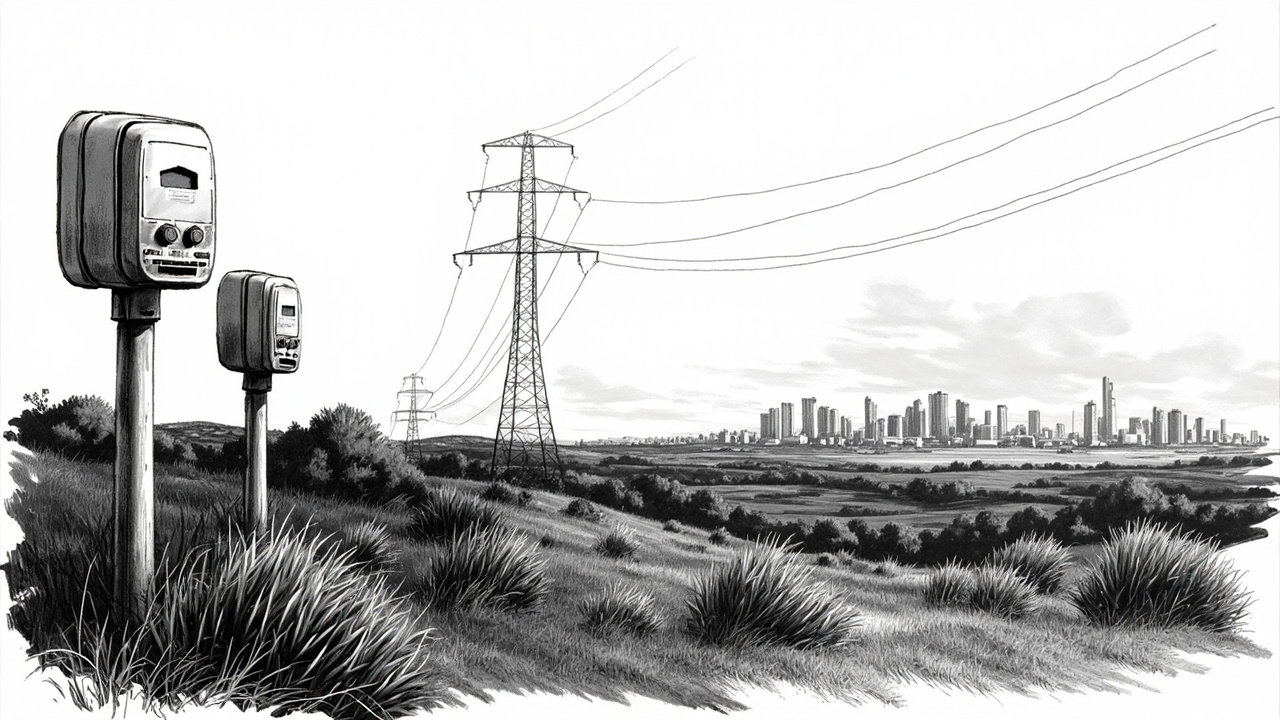
Eskom Ends Load Reduction for 140,000 Customers
South Africa's power utility Eskom has lifted load reduction measures for 140,000 customers. The change took effect this week. Load reduction involves cutting power to specific areas during peak times to prevent grid collapse. Eskom made this move as smart meter installations and generation improvements accelerate.
Smart Meter Rollout Drives Change
Smart meters enable Eskom to monitor electricity use in real time. The technology helps balance supply and demand more precisely. Eskom has installed thousands of these devices across affected regions. The meters allow for targeted interventions instead of broad blackouts. This approach reduces disruption for customers who manage their consumption well.
Generation Gains Provide Relief
Eskom's power generation has shown modest gains recently. Several generating units have returned from maintenance. Coal stockpiles at key power stations have improved. These factors contribute to a more stable electricity supply. The utility still faces challenges with aging infrastructure and breakdowns. But current conditions allow for reduced load shedding measures.
Why It Matters
Reliable electricity is crucial for South Africa's economy. Businesses lose productivity during power cuts. Manufacturers face production delays. Retailers struggle with point-of-sale systems and refrigeration. The reduction in load shedding benefits 140,000 households and businesses immediately. These customers can now plan their operations without daily power interruption fears.
What Businesses Should Watch
Companies should monitor Eskom's generation performance weekly. The utility publishes system status reports every Friday. Watch for announcements about additional smart meter deployments. These installations may expand to more areas soon. Businesses in previously affected regions should maintain backup power systems. The grid remains vulnerable to sudden changes in demand or supply.
The Technology Behind Smart Meters
Smart meters use two-way communication technology. They send consumption data to Eskom automatically. The utility can then make informed decisions about load management. Customers can also access their usage patterns through online portals. This transparency helps consumers reduce electricity bills. The meters represent a significant upgrade from traditional electromechanical devices.
Regional Impact
The 140,000 customers are concentrated in specific municipalities. These areas experienced frequent load reduction over the past year. Local businesses suffered from unpredictable power availability. The change brings relief to small enterprises like cafes, salons, and repair shops. These businesses often lack resources for extensive backup power solutions.
Future Outlook
Eskom plans to install more smart meters throughout 2024. The utility aims to cover all major metropolitan areas eventually. Generation improvements depend on successful maintenance of aging power plants. New renewable energy projects will gradually add capacity to the grid. Businesses should prepare for a gradual rather than sudden improvement in power reliability.
Practical Steps for Affected Businesses
Businesses that now have consistent power should review their energy contracts. Some may qualify for different tariff structures. Companies should also assess whether they still need all their backup generators. Maintaining unused equipment incurs unnecessary costs. Business owners might consider investing in energy-efficient appliances. Lower consumption reduces vulnerability to future load shedding.
Broader Economic Implications
Stable electricity supports economic growth. Investors view reliable power as essential infrastructure. The reduction in load shedding signals progress toward grid stability. This development could attract more business investment to affected regions. Local economies may see improved employment as businesses operate more consistently. The change represents one step in South Africa's broader energy reform journey.