Chainlink tokenizes $11B copper project: SA miners take note

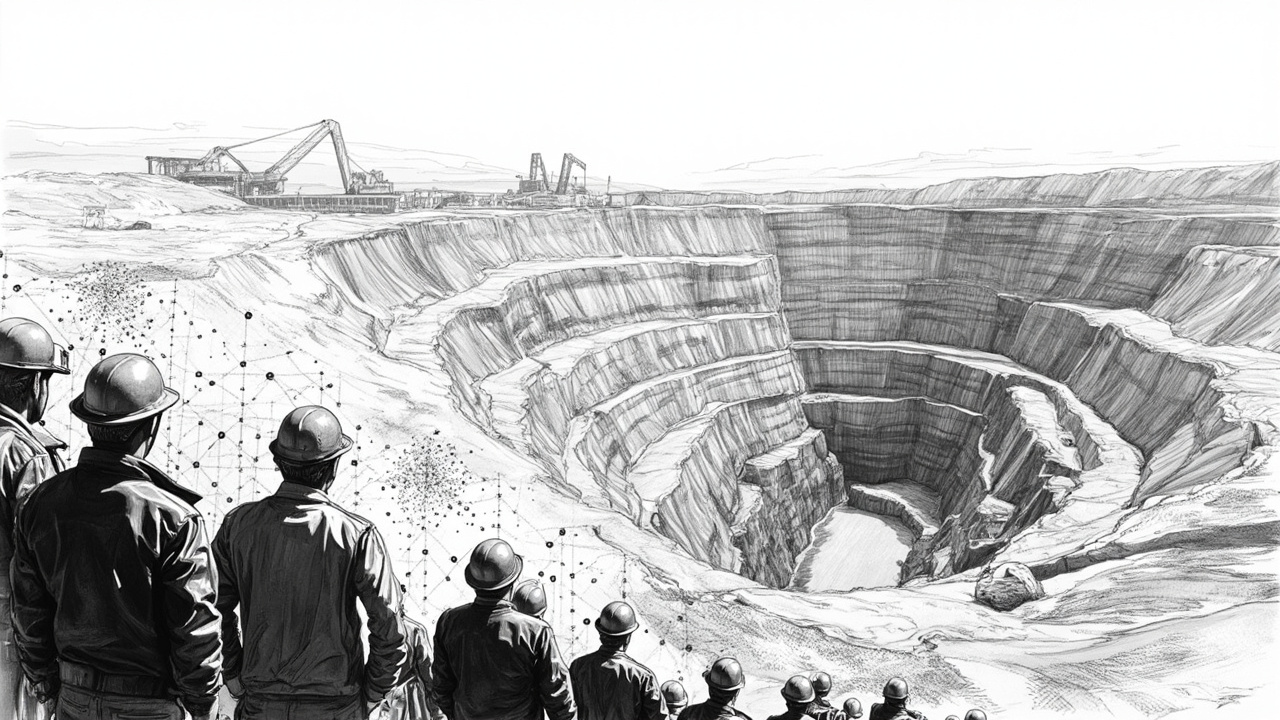
Chainlink just put an $11 billion copper-gold project onto a blockchain. That matters for South Africa's mining sector, but not in the way the hype machine suggests.
Bridgetower, a blockchain infrastructure firm, adopted Chainlink's oracle network to tokenize the DOM X Arizona Copper-Gold Project. The move brings a significant portion of U.S. securities onto a decentralized ledger, according to the source material.
Tokenization of real-world assets (RWAs) is real. The global market has seen significant growth, led by demand for yield-bearing assets. But the Bridgetower deal is U.S.-based. Emissions, disclosure standards, and electricity costs are American. African miners reading this should ask: can the same happen here?
The gap between potential and reality
South Africa has plenty of mining assets worth tokenizing: gold, platinum, manganese, coal. Tokenization could unlock liquidity, fractional ownership, and cross-border capital flows. But the country's regulatory framework for digital assets is still catching up. While some progress has been made, tokenized real estate or mining rights fall into a gray area. Clear rules for RWAs remain under development.
Then there is operational risk. Tokenization does not solve the challenges of a mine running at reduced capacity due to infrastructure constraints. If a token represents a stake in a copper mine that can only operate part of the day, the token's value is capped by that limitation. You cannot turn a token into a reliable asset if the underlying mine is not reliable.
Chainlink's role, and its limits
Chainlink provides the oracle, the data feed that tells the token what the asset is worth. For the DOM X project, that means verified copper and gold spot prices. For a South African mine, the oracle would need to report not just commodity prices but also operational data: production volumes, power uptime, even safety incidents. That data chain is only as strong as its weakest link. If a mine reports lower output, the token price adjusts. That is correct, but it introduces volatility that institutional investors may not want.
The global RWA push is concentrated in jurisdictions with clear digital asset laws. South Africa is not yet on that list. Regulatory progress elsewhere affects LINK value, per the research context. If South Africa drags its feet, local miners stay on the sidelines.
What this means for investors
LINK holders are already exploring fixed-income platforms, according to the Ventureburn report. That suggests a search for yield amid price uncertainty. Tokenized mining assets could offer yield, but only if the underlying mine is profitable. In South Africa, mining margins face pressure from various cost factors.
A better bet for now: watch how the Bridgetower deal performs. If it attracts institutional money and regulators do not object, expect copycat tokens for African projects. If it fizzles, tokenization of African mining remains a long-shot.
The blunt verdict: The Bridgetower-Chainlink deal is a proof-of-concept, not a trend. South African miners need regulatory clarity and reliable operational conditions before tokenization changes anything. For now, the biggest risk to any tokenized mine in this country is the reliability of the underlying asset.