AuxoAI's $20.7M raise tests South Africa tech power math

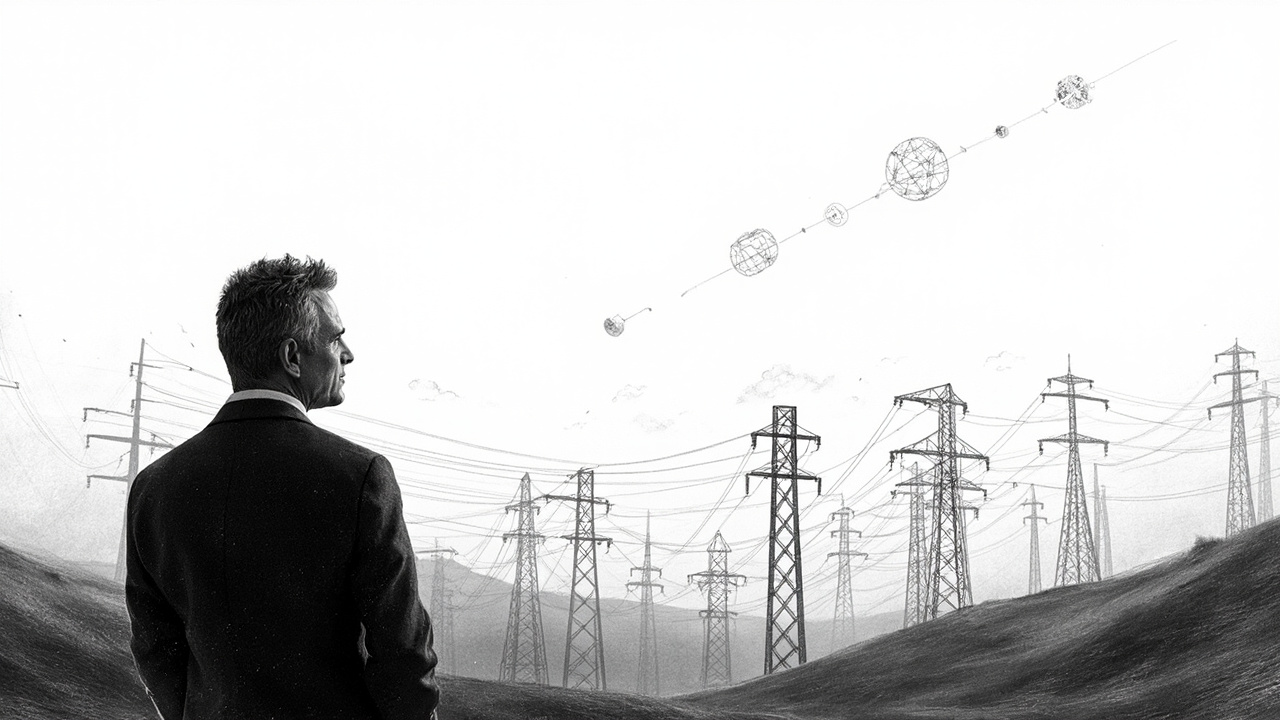
AuxoAI closed a $20.7 million Series A led by NTTVC. Read as software, the round looks tidy. Read from Johannesburg, the binding constraint sits somewhere else: megawatts.
Every enterprise AI deployment ends in a rack. In South Africa, a rack waits on a grid connection, a wheeling agreement and a tariff schedule before it ever runs an inference job. That is the part of the story the funding announcement skips.
The grid is the gatekeeper
South Africa's wheeling framework allows private generators to move power across the transmission network. Capacity in the provinces where data centres cluster is thin, and connection queues run long. A deployment vendor promising speed still queues behind Eskom's connection budget quotes and NERSA's tariff approvals.
This suggests enterprise AI adoption in South Africa will track substation timelines, not chip supply. A CIO signing an AI contract in 2027 is really signing up for an electrical engineering project with a model attached.
The payment risk cuts the other way too. Independent power producers have spent years chasing settlement from a utility carrying a heavy debt load. Any enterprise buyer whose balance sheet is tied to that chain will fund AI out of a budget already committed to energy costs.
Tariffs leak into the inference bill
NERSA's multi-year price path passes through to anyone running cooling around the clock. AI workloads never idle. Training runs are spiky, but inference is a constant draw, and constant draw is exactly what regulated tariffs punish.
The second-order effect is pricing. Inference sold per token against a rand cost that moves with every determination is a margin trap. Vendors who quote flat rates are quietly writing an electricity hedge they may not be able to honour. Expect the smarter players to price in rand per kilowatt-hour exposure, or to push workloads into off-peak windows.
That is dull engineering. It is also where the money is made or lost.
Who quietly wins, and what to watch
Hybrid solar and battery providers win. Operators holding signed grid capacity win, because scarcity turns a connection point into an asset. Local systems integrators win, because they already sit inside the bank, insurer and telco accounts that AuxoAI needs.
Short-lease renters in Gauteng lose. They absorb tariff pass-through and curtailment with no room to reprice.
The honest read on the round: $20.7 million buys engineers and models, not megawatts. AuxoAI is not going to build South African data centre capacity. The bet is that deployment services travel to markets where power is cheap and reliable. If the company wants local enterprise logos, a partnership with an established integrator is the cheaper path than a greenfield push.
Ignore the press release. Watch the first named South African customers. financial services and telcos can absorb power volatility and have the balance sheets to sign long contracts. Mining and manufacturing cannot, and power quality will eat the margin on those deals fast.
The verdict: the raise is a credible product signal and a weak infrastructure signal. South Africa does not have an AI model shortage. It has a connection capacity and tariff predictability shortage, and no Series A cheque fixes that.