Visa's Tanzania Card Push Faces a Cash Habit Problem

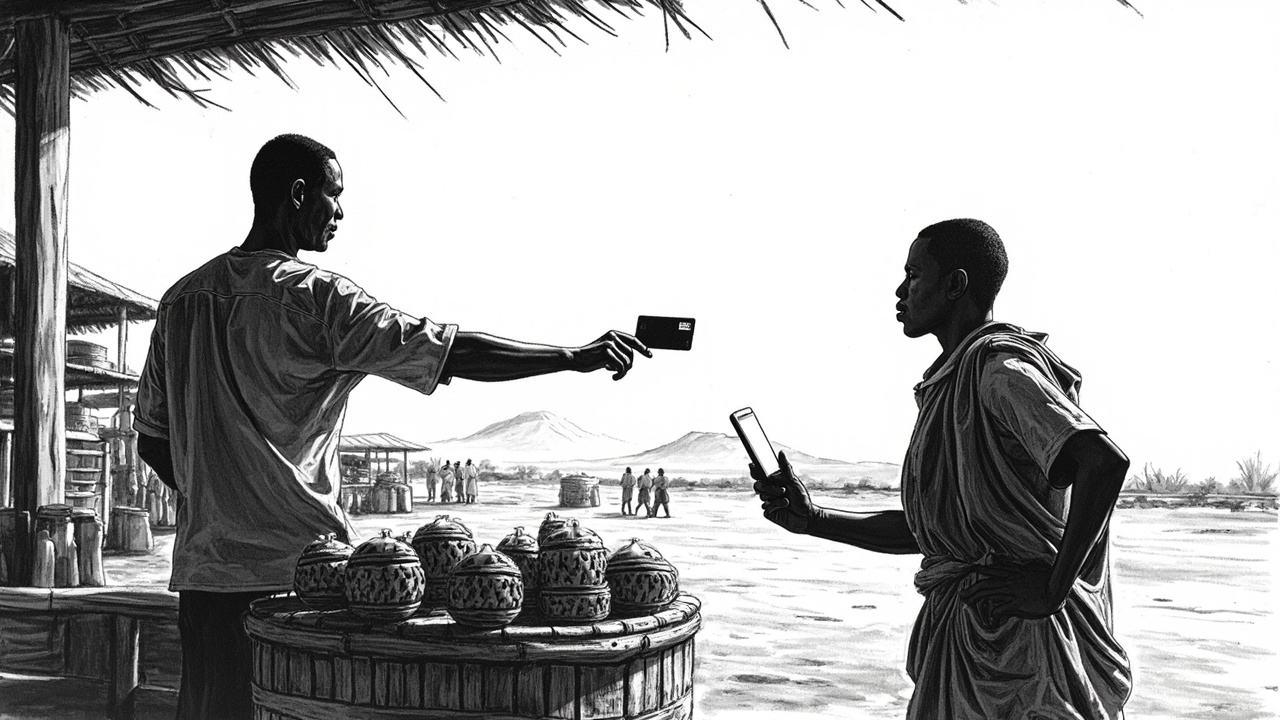
Visa signed Tanzanian singer Abby Chams on April 23 to promote card payments as safer than cash. The Bongo Flava star, 22, will front a campaign urging Tanzanians to ditch physical money. It is a standard playbook: celebrity endorsement, media coverage, feel-good messaging. The real story is what Visa is up against.
Card payments vs. mobile money reality
Tanzanians did 6.41 billion mobile money transactions in the latest full year for which data is available, up 26.73% from the prior year, according to TanzaniaInvest. That is not a cash problem. That is a mobile money success. Visa wants a piece of that flow, but its card rails compete with M-Pesa, Tigo Pesa, and Airtel Money, systems that already work on feature phones, charge low fees, and reach rural agents.
Cards require point-of-sale terminals, bank accounts, and internet. Tanzania has roughly 4,000 ATMs and fewer than 50,000 POS terminals for a population of 67 million. The Bank of Tanzania (BoT) has pushed its Tanzania Instant Payments System (TIPS) to link banks and mobile wallets, but card penetration remains below 5%. Visa's ambassador can generate buzz, but buzz does not install infrastructure.
Investor implications: lock-in and affordability
For SMEs, card acceptance means leasing a terminal, paying merchant discount rates (typically 1.5% to 3%), and dealing with settlement delays. Mobile money merchants pay 0.5% or less and get instant settlement. If Visa gains traction, the risk is platform lock-in: once a business installs a Visa terminal and integrates with its bank, switching costs rise. Visa's network rules make it hard to route transactions through cheaper domestic alternatives like TACH (Tanzania Automated Clearing House) or TIPS.
The second-order effect: BoT may eventually cap interchange fees or mandate interoperability. That would compress Visa's revenue per transaction. For now, Visa is betting on a shift from cash to cards, skipping mobile money. I find that bet fragile. Tanzania's digital payment growth is happening on mobile wallets, not plastic. Abby Chams' face on billboards will not change the math for a shopkeeper in Mwanza who already uses M-Pesa to buy stock and accept payments.
Who loses if Visa succeeds? Domestic fintechs that operate on mobile money rails, they would face a new competitor with deeper pockets. Who benefits? Banks that issue Visa cards, but only if they can attract customers away from mobile wallets. Expect BoT to monitor this closely. The regulator has historically favored domestic clearing systems over foreign card networks.
Visa's Tanzania campaign is a long-term brand play. It is not a pivot. Investors should watch whether BoT moves to cap card fees or mandate routing through TIPS. If that happens, Visa's margin advantage disappears. For now, the cash habit is not the problem. The mobile money habit is.