Tanzania Tax Forum Signals Informal Sector Squeeze Ahead

TRA pivots to women traders after diplomatic pressure
Tanzania's tax authority launched a Women and Tax Forum this month, but the timing reveals more about revenue pressure than gender empowerment. The Tanzania Revenue Authority (TRA) inaugurated the initiative under Commissioner General Yusuph Juma Mwenda, who replaced his predecessor mid-2024 amid complaints from diplomats and traders about aggressive tax practices.
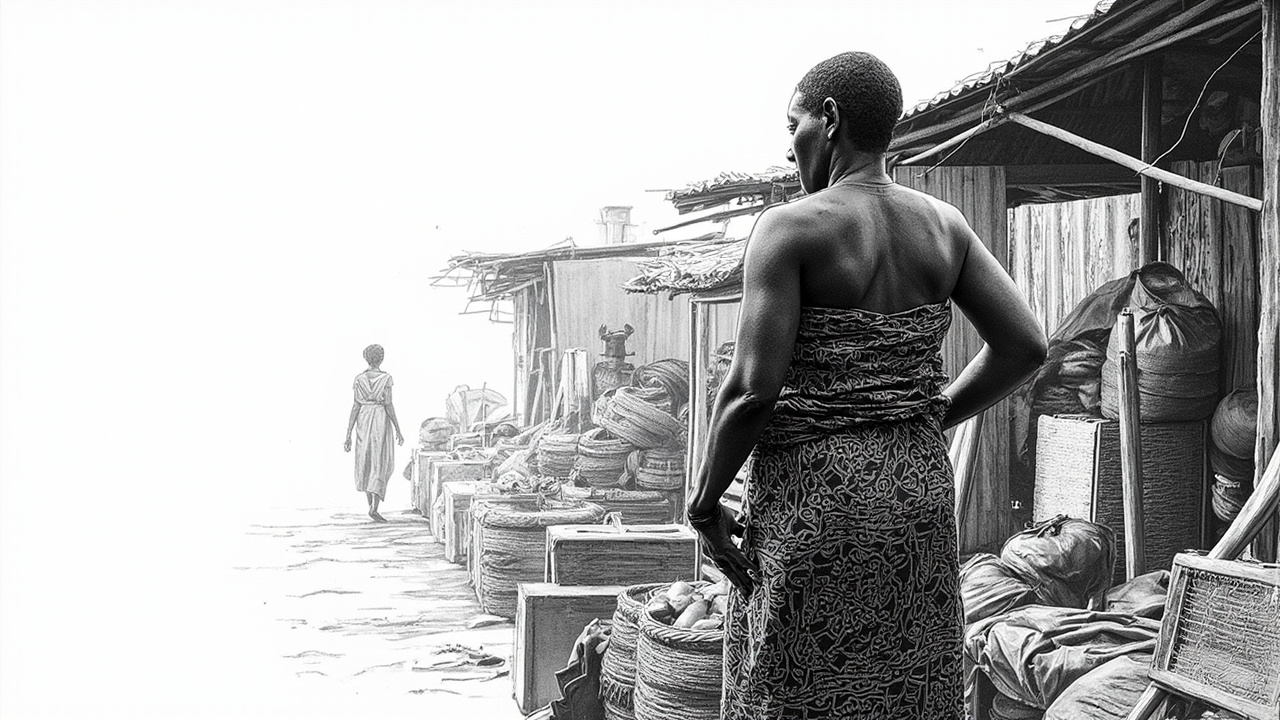
The forum targets businesswomen with "tax education" and "practical solutions" - bureaucratic speak for bringing informal traders into the formal tax net. Women dominate Tanzania's informal trade sector, particularly in restaurants and small retail, representing some of the poorest households with children and dependents. This demographic shift suggests TRA is expanding its collection base downward after facing pushback from larger taxpayers.
Revenue authority seeks softer compliance approach
Mwenda's predecessor, Alphayo Kidata, was removed after diplomatic complaints about heavy-handed tax enforcement. The new women-focused forum appears designed to rebuild TRA's reputation while maintaining collection targets. Rather than confrontational audits, the authority now promises "listening to challenges" and educational outreach.
This softer approach masks a fundamental problem: Tanzania's informal sector operates on survival margins. The 7,000-employee TRA needs revenue growth, but small-scale women traders lack the financial cushion to absorb new tax burdens. The forum's success will depend on whether it offers genuine compliance relief or simply repackages existing obligations with friendlier messaging.
Formalization drive risks backfiring
The initiative exposes Tanzania's broader economic challenge - a large informal sector that provides livelihoods but generates minimal tax revenue. Forcing rapid formalization could push women traders deeper underground or out of business entirely. Kenya's similar efforts to tax small traders through digital platforms sparked widespread resistance and revenue shortfalls.
Tanzania markets face a delicate balance between revenue mobilization and economic inclusion. If the forum becomes another collection mechanism disguised as empowerment, expect pushback from women's groups and further erosion of TRA's credibility. The real test will be whether participation remains voluntary or becomes a prerequisite for business licenses and market access.
The timing coincides with broader AfCFTA implementation pressures, where Tanzania needs stronger domestic revenue to reduce trade tariff dependence. But squeezing informal traders may prove counterproductive if it shrinks the tax base rather than expanding it.