Tanzania targets stalled projects, what investors should watch

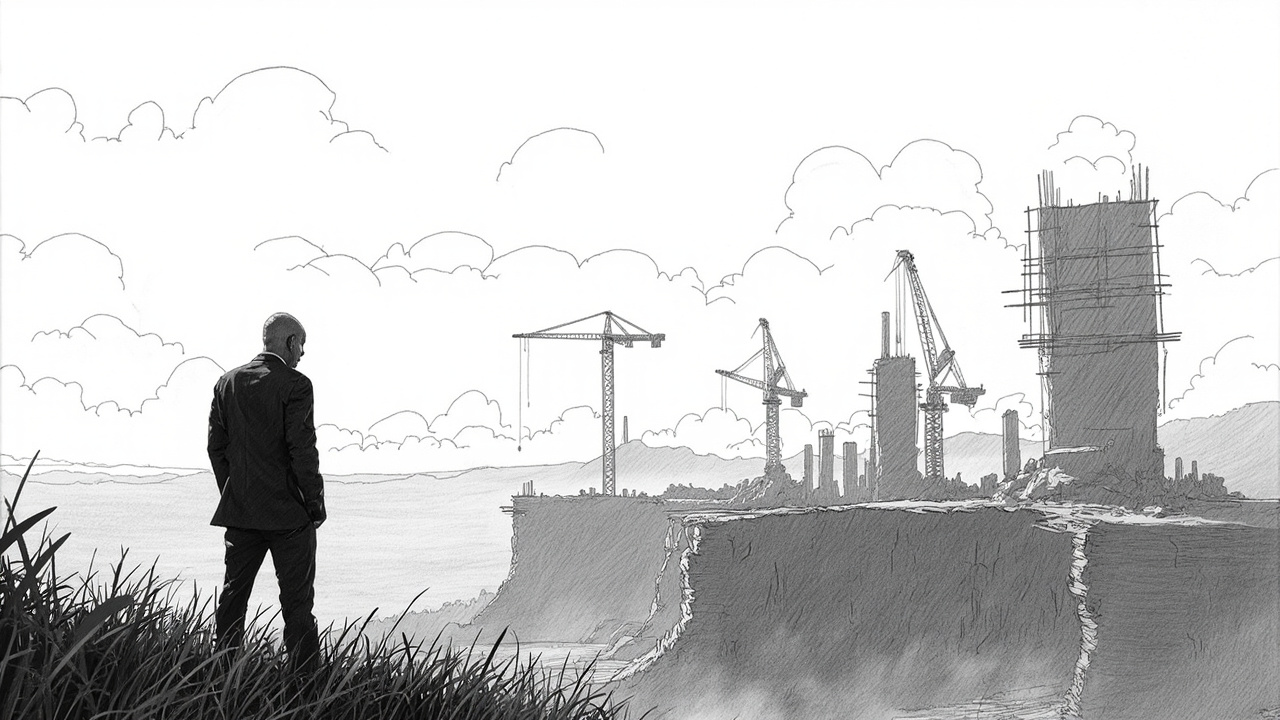
The government says it has identified three priority areas to accelerate stalled and ongoing projects over the next five years. It hasn't said what those areas are, yet that detail matters more than the announcement itself.
The news, tied to the rollout of Tanzania's Development Vision 2050, suggests the state wants to signal momentum. But for investors, the absence of specifics is a red flag. Without knowing which sectors or projects are on the list, you cannot price the risk.
The three priority areas, but no details
According to the Daily News, the government singled out three priority areas to fast-track implementation of stalled and ongoing development projects, in line with Vision 2050. The post did not name the areas. Nor did it disclose budgets, timelines, or funding sources.
That vagueness matters. Tanzania has a track record of ambitious plans that run into execution gaps. The Standard Gauge Railway (SGR) project, for instance, has faced repeated delays and cost escalations since its inception. Public procurement under the PPRA (Public Procurement Regulatory Authority) has been criticised for opacity. If the priority areas include infrastructure like energy or transport, expect fiscal pressure.
The Vision 2050 blueprint itself, outlined in a December 2023 analysis by The Citizen, identified key areas Tanzania must focus on, but those are broad goals, not funded programmes. The gap between a vision and a budget line is where projects stall.
Funding and the TZS risk
Tanzania's fiscal position is under strain. Tax revenues lag, and the shilling has weakened against the dollar, raising import costs for construction materials. If the government plans to borrow heavily to fund these priority projects, expect upward pressure on domestic interest rates and inflationary risk.
Prime Minister Kassim Majaliwa has said funding will be prioritised. That implies reallocation from other areas. Which existing projects get cut? Which programmes lose budget? No answers yet.
The ruling party CCM controls the purse, but even within the party, competing regional interests often slow disbursement. The risk is that the three priority areas become political footballs rather than efficient investments.
What investors should watch
First, wait for the actual list of projects. Look for concrete milestones, not just announcements. Second, track the budget allocation when the next fiscal plan is released. If the government cannot show a credible funding source, the fast-track label is hollow.
Third, monitor the shilling. Any large import-dependent infrastructure push will pressure the TZS. Fourth, watch the construction sector, companies like NCBs (National Construction Board) and private contractors will win or lose based on which projects get greenlit.
Finally, remember that Vision 2050 is a 25-year framework. The five-year priority list is just the opening act. Tanzania has a habit of starting strong and fizzling. Investors should price in execution risk until proven otherwise.
Bottom line: A press release is not a plan. Until the government names the projects, shows the budget, and sets timelines, this is political signalling. Treat it as noise, not signal.