Tanzania Launches Mtera Power Substation to Boost Regional Electricity

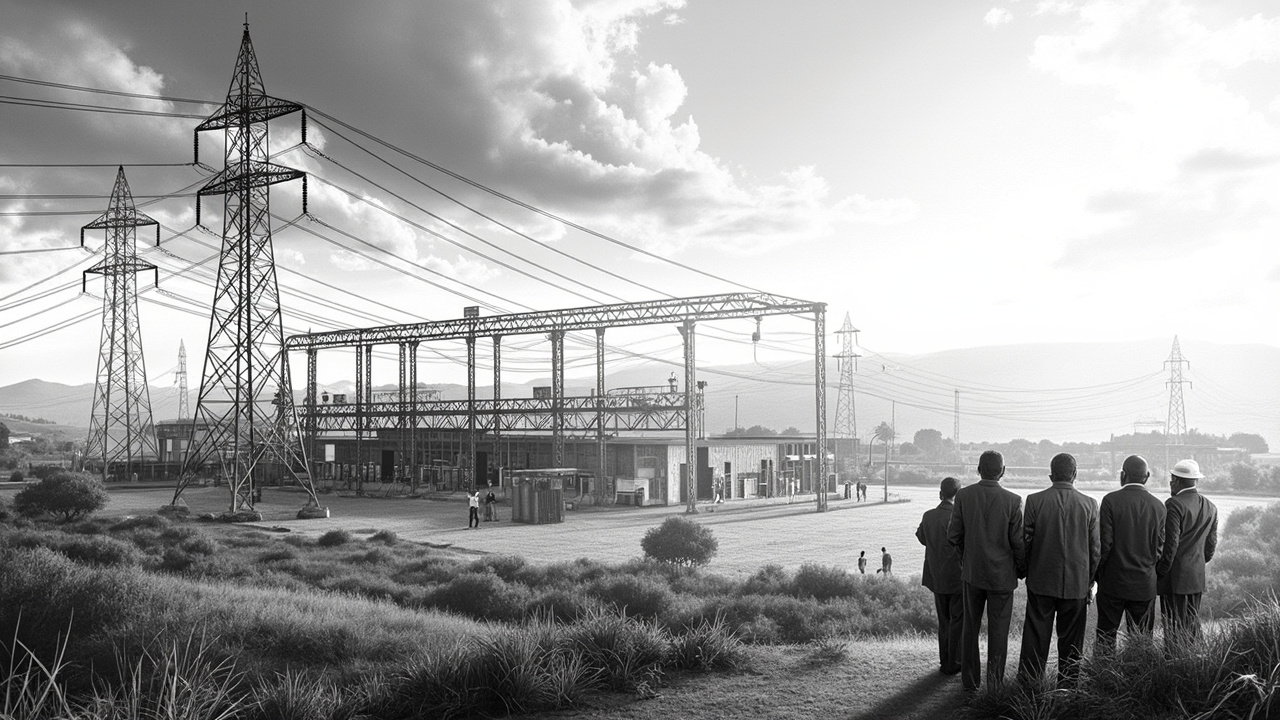
Tanzania Launches Mtera Power Substation
Tanzania's Minister for Energy, Deogratius Ndejembi, launched the new Mtera power substation on January 16, 2026. The facility cost 9.7 billion Tanzanian shillings (approximately $4.1 million USD). It will strengthen electricity availability across Kongwa, Mpwapwa, and Iringa districts. The Rural Energy Agency (REA) oversaw the project. REA Director-General Eng Hassan Saidy announced the completion on January 15, 2026.
The substation connects to Tanzania's national grid. It will improve power distribution in central and southern regions. The project required permits from the Tanzania Electric Supply Company (TANESCO) and the Energy and Water Utilities Regulatory Authority (EWURA). Construction took 18 months. It finished on schedule in late 2025.
Why It Matters
Tanzania aims to increase electricity access from 84.6% in 2023 to 95% by 2030. The Mtera substation supports this goal. It will reduce power outages in Kongwa, Mpwapwa, and Iringa. These districts have faced reliability issues. The substation can handle increased demand from businesses and households.
Improved electricity supports economic growth. Tanzania's GDP grew 5.2% in 2024. The energy sector contributed 2.1% to this growth. Reliable power attracts investment. Companies like Bakhresa Group and Tanzania Breweries Limited need stable electricity for operations. The substation may lower operational costs for local firms.
Tanzania has invested heavily in energy infrastructure. The government spent $1.5 billion on power projects in 2024. The Mtera substation is part of this push. It aligns with Tanzania's Energy Policy of 2023. That policy prioritizes grid expansion and renewable energy integration.
What Businesses Should Watch
Businesses in Kongwa, Mpwapwa, and Iringa should monitor power reliability. The substation may reduce downtime. Companies can plan expansions with more stable electricity. The agriculture sector, including tea and coffee producers, may benefit. Processing plants require consistent power.
Investors should note Tanzania's energy sector growth. The government plans more substations and transmission lines. Projects like the Julius Nyerere Hydropower Plant will add 2,115 MW by 2027. This could lower electricity prices. Tanzania's industrial electricity tariff was $0.12 per kWh in 2024. It may drop with increased supply.
Watch for regulatory updates. EWURA may adjust tariffs or grid codes. Businesses should engage with TANESCO for connection plans. The Mtera substation could spur local manufacturing. Companies like Azam Group might expand operations.
Energy-intensive industries should assess opportunities. Mining firms like Barrick Gold Corporation need reliable power. The substation supports mining in southern regions. Tourism businesses in Iringa may see improved services. Hotels and lodges depend on electricity for amenities.
Tanzania's energy access rate rose from 67.7% in 2015 to 84.6% in 2023. The Mtera substation will help continue this trend. Businesses should track REA's next projects. The agency has a budget of $200 million for rural electrification in 2026.
Project Details and Impact
The Mtera substation uses modern switchgear and transformers. It connects to existing 132 kV transmission lines. The facility includes control systems for grid management. It will serve over 50,000 new connections. This includes households, schools, and health centers.
Construction involved local contractors. It created 300 jobs during the build phase. The project required environmental assessments from the National Environment Management Council (NEMC). It complied with Tanzania's Environmental Management Act of 2004.
The substation will reduce technical losses in the grid. Tanzania's grid losses were 16.5% in 2023. The new facility may cut losses by 2-3% in its area. This improves efficiency and reduces costs for TANESCO.
Power availability will support social services. Schools and clinics in remote areas will get reliable electricity. This aligns with Tanzania's Development Vision 2025. That vision targets universal energy access.
Future Outlook
Tanzania's energy sector is expanding rapidly. The government aims to add 5,000 MW of capacity by 2030. The Mtera substation is a step toward this goal. It will integrate renewable energy sources. Solar and wind projects in the region can connect to the grid.
Businesses should prepare for increased electrification. Demand for electrical appliances and machinery may rise. Companies like Simba Appliances could see higher sales. The construction sector may benefit from new infrastructure projects.
Tanzania's energy investments support regional trade. The substation strengthens the Southern African Power Pool (SAPP) connections. This could enable electricity exports in the future. Tanzania currently imports power from Zambia and Ethiopia.
The Mtera launch shows Tanzania's commitment to energy security. It addresses gaps in central and southern regions. The project will enhance quality of life and economic productivity. Businesses should leverage the improved infrastructure for growth.