Markets
Tanzania Markets Test Mango Export Ambition

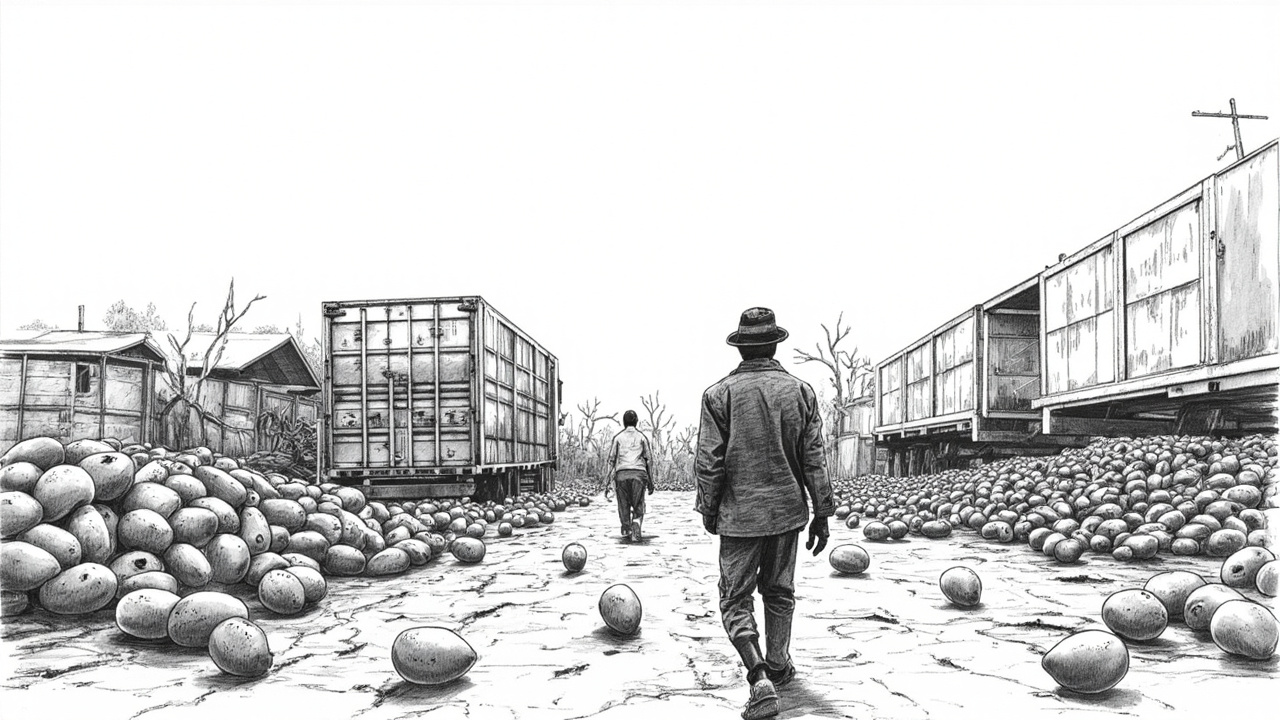
Tanzania aims to capture part of the $68bn global mango market. Its plan hinges on processing investments and regional trade pacts that often disappoint. The country produces 700,000 tons of mangoes annually, according to The Respondents. It ranks as the world's 12th largest producer. But moving from fresh fruit to processed exports like juice requires infrastructure Tanzania lacks. Investors should question the official narrative. I see familiar gaps between ambition and AfCFTA reality.
Production scale meets value chain gaps
Tanzania's mango output grows at 6.7% each year. It has over 30 varieties. The global mango market is valued at $67.95 billion per FreshPlaza. Most fruit is still sold fresh locally. Processing plants need reliable power, cold storage, and roads. These are scarce outside Dar es Salaam. Who quietly benefits? Foreign equipment suppliers and logistics firms. Local farmers risk getting stuck with low prices if processing capacity lags. The sector dialogue in late 2024 changed little. Talk is cheap.AfCFTA's paper promises versus trade barriers
AfCFTA should ease cross-border trade. Tanzania's mango push exposes its flaws. Exporting processed goods to Kenya or South Africa faces non-tariff barriers. Customs delays and inconsistent standards kill perishable goods. Tanzania's own visa regimes backtracked in 2026, hindering regional business movement. The risk is clear. Investment in processing assumes open borders that do not exist. This suggests that mango juice bound for Europe might succeed. Shipments within Africa will struggle. The second-order effect? More reliance on distant markets, increasing transport costs and cutting farmer margins.Investor implications and concrete risks
Opportunities exist in building processing facilities. The government wants private capital. But operational risks are high. Power outages spoil batches. Poor roads damage fruit. Expect delays in export growth until regional trade simplifies. The quiet loser is the small-scale farmer. If export channels fail, local markets flood. Prices crash. Investors should demand clarity on Tanzania's commitment to AfCFTA protocols. Ask about specific tariff lines for processed mango products. Without that, this sector stays local. Tanzania's mango ambition needs functional trade corridors, not just optimism.TOPICS
agricultural exportsvalue chain processingAfCFTA complianceEast Africa tradeexport infrastructurecold chain infrastructurenon-tariff barriers