Tanzania's Inclusive Economy Vow Confronts a 50% Informal Reality

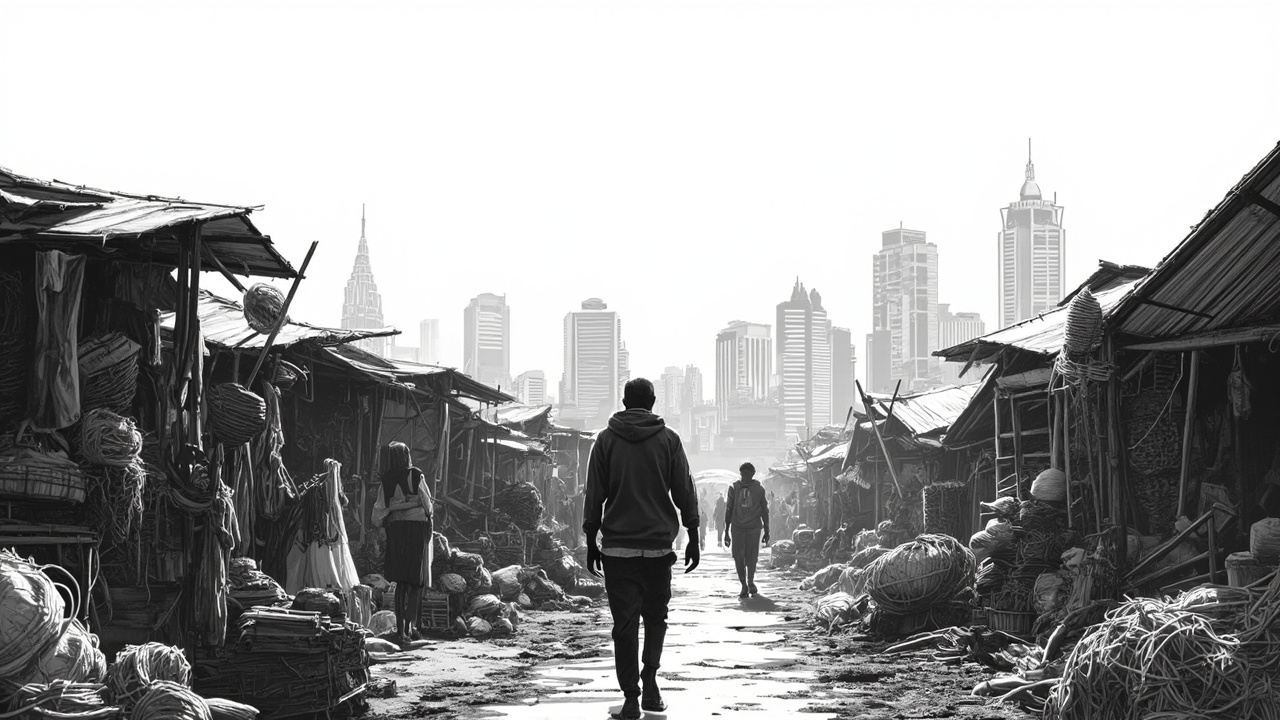
Prime Minister Mwigulu Nchemba’s pledge to build an inclusive economy is a standard political refrain. In Tanzania, it runs into a stark statistic: the informal sector drives over half the nation's GDP and employs more than 80% of its workforce, according to ILO data. For investors, the gap between the government's unifying rhetoric and this fragmented economic base defines the actual risk. Real inclusion means formalizing a massive, off-the-books economy without crushing the growth it provides.
The policy chasm on paper
Tanzania's government faces a fundamental contradiction. It champions inclusion while its economy operates largely outside formal regulatory and financial systems. A 2025 UNCTAD report explicitly frames 'combating inequality and poverty' as a persistent challenge, indicating that top-down pronouncements have not yet translated into bottom-up results per UNCTAD analysis. The UN agency even runs a dedicated 'Inclusive Growth' project in the country, signaling ongoing international effort where domestic policy lags. This suggests a reliance on external technical guidance for core economic planning. The risk is a policy framework designed for a formal economy that does not exist.Where investor capital gets stuck
For capital seeking scalable entry, Tanzania's informal dominance creates a due diligence black hole. How do you assess consumer demand or supply chains when most transactions are cash-based and unrecorded? Financing SMEs, a focus of the Prime Minister's speech, becomes guesswork without standardized financials. The informal sector's resilience is its informality, low costs, regulatory evasion, and family-based labor. Formalization efforts that raise costs or impose compliance could simply push activity deeper underground, not into the open. Expect friction between development partners funding formalization and local enterprises that survive by avoiding it.This is not just a Tanzanian problem. It exposes the soft underbelly of pan-African integration under the AfCFTA. How do you harmonize trade and investment rules when the majority of a member state's economy is unregulated? Tanzania's situation is a stress test for regional blocs that prioritize formal cross-border flows. The second-order effect is a two-tier investment sector: foreign capital clusters in large, formal projects in Dar es Salaam or Arusha, while the vast, productive informal economy remains starved of growth capital and isolated from regional trade. The government's next move must be tangible, tax incentives for formal registration, digital payment mandates, or land titling reforms. Until then, its inclusive economy remains a speech, not a strategy.