Tanzania's Narrow Exports Limit Gains from China Tariff Move

China's zero-tariff offer to 53 African nations tests Tanzania's manufacturing depth. The policy starts May 1, 2026, with no quotas or political conditions according to Daily News. It covers all product categories. China announced the policy last year per China International Import Expo.
Zero tariffs mean little if Tanzania cannot produce goods Chinese consumers want at competitive scale. The unilateral move also pressures the AfCFTA. Why focus on complex regional rules when China offers open access?
Thin capital markets constrain trade finance
Tanzania's equity markets lack the depth to fund a major export push. The Dar es Salaam Stock Exchange (DSE) recorded TZS 3,570.64 million in turnover during a four-day week ending April 25, 2026 per TanzaniaInvest. That equals about $1.5 million. The market lists 27 equities and has 16 licensed brokers.
Local firms cannot tap significant equity capital for export expansion. The Tanzanian Ministry of Finance sets securities regulations. Its capacity to streamline cross-border trade finance remains unproven. Investors should expect minimal immediate impact on DSE-listed manufacturers. Most lack the supply chain sophistication for Chinese markets.
Regulatory hurdles and the raw materials trap
Zero tariffs solve one problem. Non-tariff barriers decide who wins. Chinese customs standards, phytosanitary rules, and labeling requirements are complex. Tanzanian agribusiness and light manufacturing face steep compliance costs.
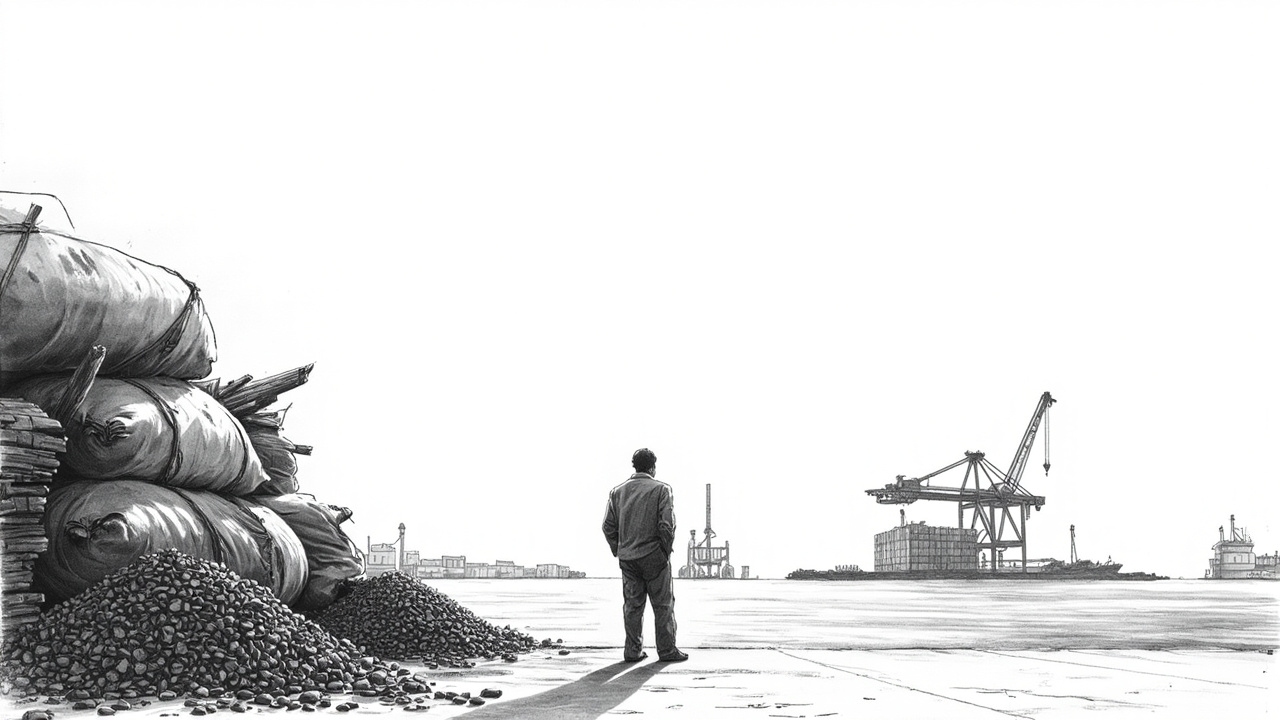
The policy risks creating a raw materials trap. China may import more Tanzanian minerals and unprocessed agricultural goods. Value-added products struggle against established Asian supply chains. This benefits a few commodity exporters, not domestic industrial capacity.
Investors should track which Tanzanian firms secure Chinese technical partnerships. Those deals signal real market access. Everything else is noise.
China's move pressures regional integration. AfCFTA negotiations on rules of origin and tariff concessions seem slow by comparison. Tanzania might delay difficult domestic reforms if Chinese markets appear open. That is a strategic error.
Expect initial trade data to show a spike in mineral and agricultural bulk exports. Watch for value-added product stagnation. The real test comes in 2027. By then, we will know if Tanzanian enterprises developed competitive exports or just shipped more raw materials.