Belarus port deal: Tanzania trades access for what?

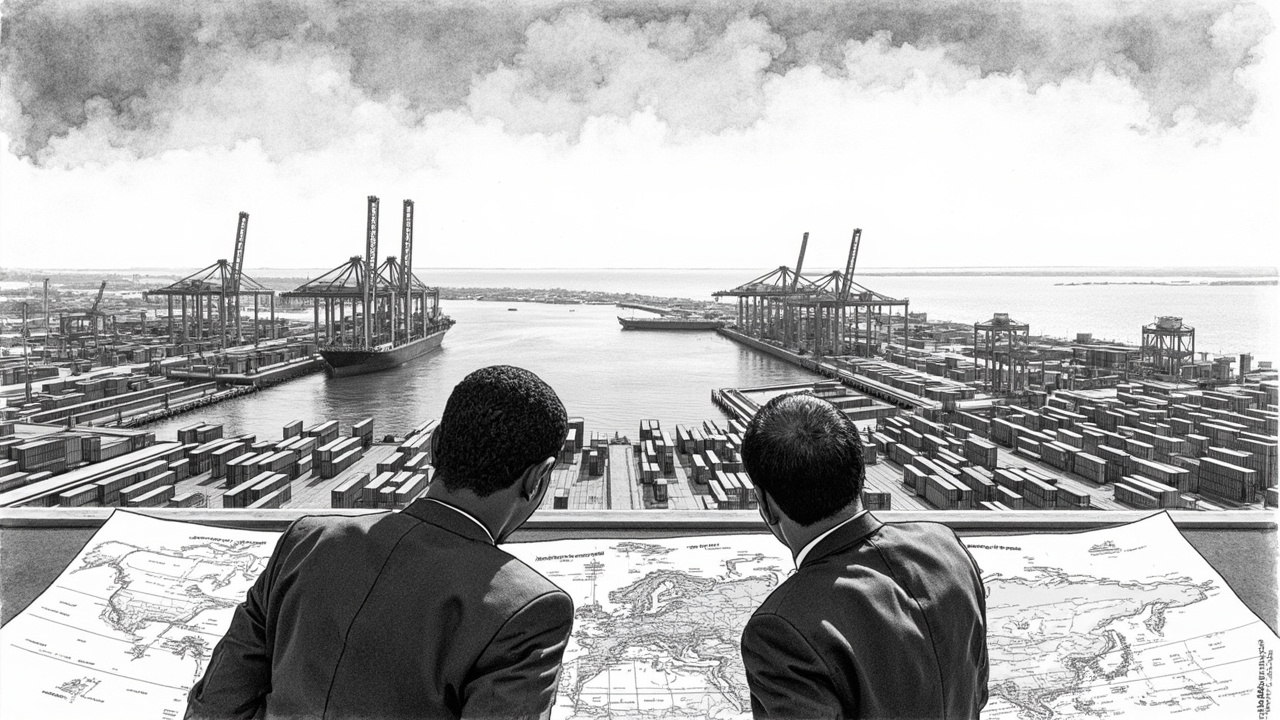
Tanzania just handed Belarus a key to its largest port. In return? Vague promises of cooperation.
Foreign Minister Maxim Ryzhenkov visited the Tanzania Ports Authority (TPA) headquarters in Dar es Salaam in late April 2026. The result: an agreement to "strengthen cooperation in the ports sector", whatever that means. No specific projects, no investment figures, no timeline. Just a handshake and a press release, per the Daily News.
Belarus is landlocked. It has no ocean ports. What it wants is access, to East and Southern African markets through Tanzania, according to Belarusian state media BelTA. That's clear. What Tanzania gets is less clear. Belarus can offer heavy machinery (BelAZ trucks, MAZ vehicles), some port equipment, maybe technical training. But is that worth opening up Dar es Salaam, Africa's fourth-largest Indian Ocean port after Durban, Mombasa and Maputo, to a sanctioned state?
What Belarus brings that Tanzania doesn't need
Belarus is under Western sanctions. Its economy is squeezed. Its companies are desperate for new trade routes to bypass Russia's blocked corridors. Tanzania offers a new gateway. But the Port of Dar es Salaam already handles cargo for landlocked neighbors: Zambia, DRC, Rwanda, Burundi, Uganda, and Malawi. It is already a chokepoint. Congestion, inefficiency, and corruption have plagued TPA for years. Adding more traffic without fixing the underlying problems doesn't help, it compounds them.
The agreement is silent on financing, technology transfer, or operational upgrades. It reads like a diplomatic courtesy, not a commercial deal. For investors watching Tanzania's logistics sector, this raises red flags. The government is spending political capital on bilateral photo-ops while the port's real issues, draft depth, container dwell time, rail connectivity, remain unresolved.
Regional integration takes a back seat
Here's the irony: East African Community (EAC) ports are supposed to be coordinating under the AfCFTA framework. Tanzania signed the AfCFTA in 2018. The whole point is to reduce trade barriers, harmonise standards, and avoid overlapping bilateral deals that fragment the continent. But Dar es Salaam is now negotiating separate access arrangements with a non-African, sanctioned country. That does nothing for regional integration. It undermines it.
Belarus isn't joining the EAC. It isn't paying into the AfCFTA. It's picking a single port, Tanzania's, and getting preferential treatment. Rwanda and Uganda, two of Tanzania's biggest hinterland clients, already complain about Dar es Salaam's customs delays and corruption. Now they watch Tanzania hand a key to Minsk. This doesn't build trust.
The real bet: geopolitical hedging
Tanzania, under President Samia Suluhu Hassan, has tried to balance relations with China, the West, and Russia. Belarus is a Russian ally. This ports deal signals continued closeness to the Moscow-Minsk axis. For Western investors, that's a risk. Compliance with sanctions regimes becomes trickier. Could a Belarusian company end up operating equipment at a port that also serves Western-linked supply chains? The agreement doesn't specify. That ambiguity is a liability.
For investors, the question is simple: does this deal move the needle on port efficiency? No. Does it introduce new risk? Yes. Expect Tanzania's port to remain a bottleneck. And expect the next train of landlocked country complaints to arrive soon.