Pula vs ARC: $195m Suit Exposes Cross-Border Enforcement Gaps

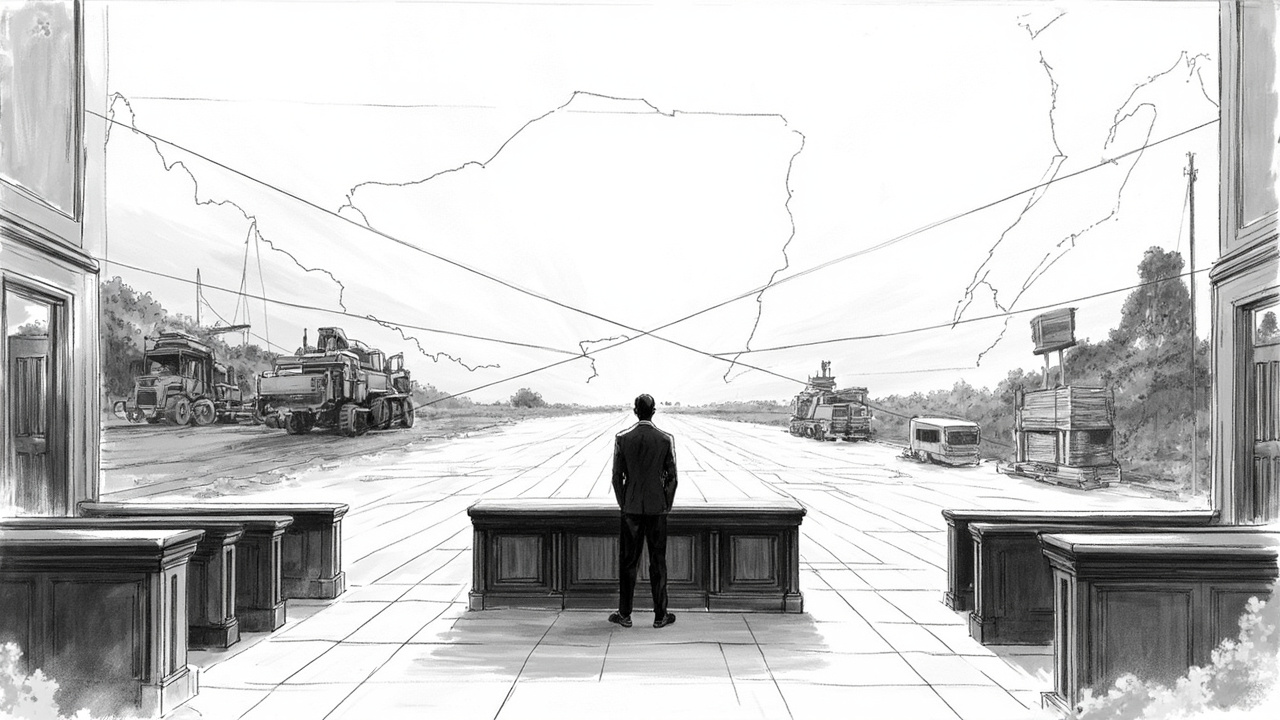
A $195 million graphite mining dispute is now in the final stage at Tanzania's High Court. Pula Group is suing Patrice Motsepe's African Rainbow Capital (ARC) for breach of contract. The case tests whether regional trade integration promises translate into predictable dispute resolution for investment contracts.
A dispute across borders
Pula's final witness testified in Dar es Salaam under cross-examination. Judge Frank Mirindo of the Commercial Division is presiding. ARC argues it never signed the agreement. The contract was between Pula and ARC's sister company, African Ra. That corporate shield usually holds.
The twist: a parallel case in the Johannesburg High Court already ruled for ARC on the same facts, according to The Citizen. Two courts, two potential outcomes. That is not a bug. It is a feature of investment disputes with no single enforcement mechanism.
Investors in Tanzania markets should watch closely. The mining sector is a top destination for foreign capital. A ruling against ARC would signal Tanzanian courts are willing to pierce corporate veils and enforce contracts against holding companies. A ruling for ARC would show that Tanzania respects separate legal personality even in high-stakes disputes.
The enforcement gap
Regional trade integration frameworks aim to harmonize investment rules. This case shows the gap between ideal and reality. Two courts in two countries, both claiming jurisdiction over the same dispute, can reach opposite conclusions. That is not harmonization. It is forum shopping.
The investment protocol remains in negotiation. Enforcement of arbitration awards across borders is patchy. In the meantime, investors rely on specific contract clauses, careful choice of law, and a healthy dose of paranoia.
So what for investors?
First, the $195 million claim is serious. Roughly 0.4% of Tanzania's GDP. If Pula wins, ARC will likely appeal, dragging the case for years. If ARC wins, Pula may try other jurisdictions. Either way, this case sets a precedent for how Tanzania treats international mining contracts.
Second, the Johannesburg ruling raises a risk of inconsistent judgments. That is a nightmare for enforcement. Expect more creditors to go after JSE-listed parents. ARC is tied to African Rainbow Minerals (ARM), a listed mining house.
Third, Tanzania's mining code is already a battleground. The 2017 revisions gave the state more control, and the current government signals it will enforce those rules. This lawsuit adds uncertainty for firms holding graphite or other critical mineral assets in the country.
This case will not be decided on the facts alone. The political economy of natural resource disputes in East Africa ensures that. Expect delays, appeals, and possibly a settlement before final judgment. Investors should model both outcomes and plan for the worst.
A ruling is likely within six months. If Tanzania's court rules for Pula, it boosts confidence in local judicial remedies. If it rules for ARC, the message is clear: hold contracts at the subsidiary level and expect Tanzanian courts to respect that. Neither outcome is a clear win for regional integration.