Pris App Platform Risks Locking In Tanzania's Fuel SMEs

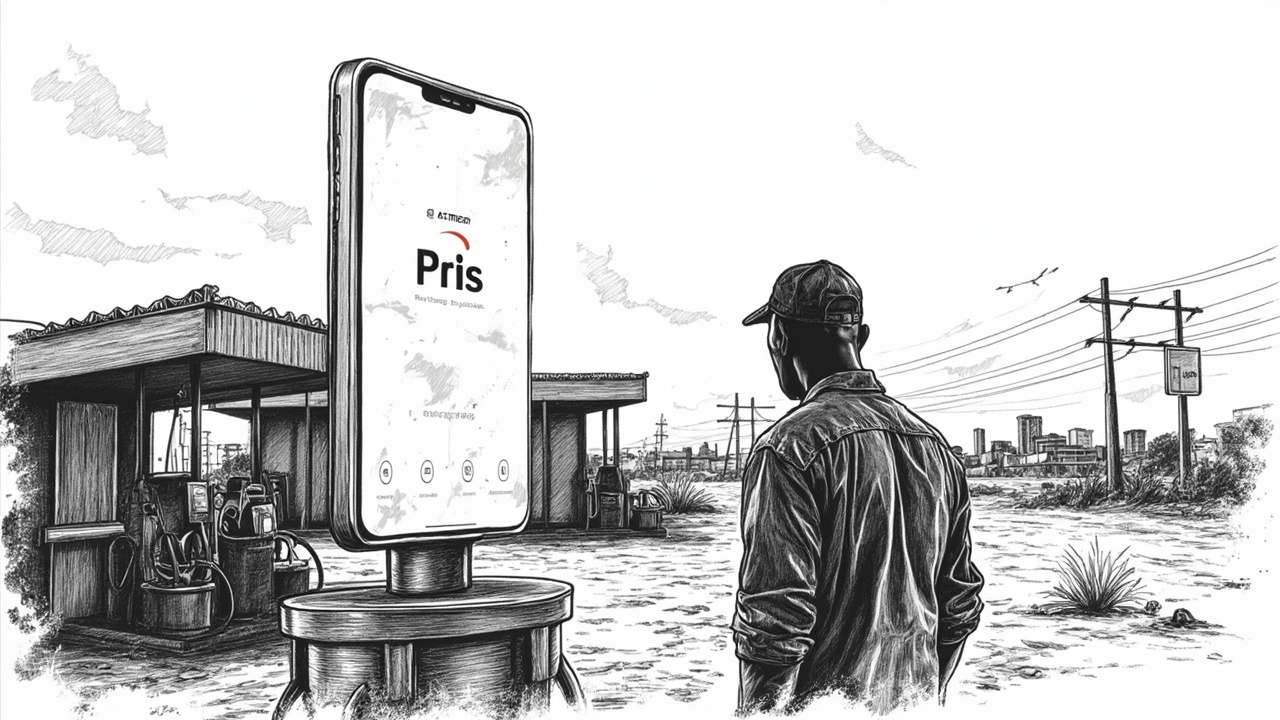
Tanzania's Deputy Minister for Energy, Salome Makamba, stood in Dar es Salaam to launch the Pris App System by Puma Energy. The official message was clear: digital innovation will make the energy sector competitive. Investors should ask a different question: who gets locked in, and who pays the subscription.
The Pris App is a digital platform for fuel distribution and payments. Makamba said the government will keep creating a favorable environment for investors in transport, industry, agriculture, and other services, per the Daily News. That sounds good. But the real test is whether small fuel resellers and transporters, cash-driven SMEs, can afford the ongoing costs of a proprietary system. Puma Energy gains recurring revenue and transaction data. The SMEs gain convenience, until the price goes up.
Platform lock-in meets Tanzania's cash economy
Tanzania's fuel distribution network runs on cash. Small retailers buy drums of diesel and sell by the liter. The Pris App digitises that chain. Once a reseller adopts the platform, switching costs mount. Inventory history, credit records, and customer data live on Puma's system. Data portability is not mentioned. The Energy and Water Utilities Regulatory Authority (EWURA) has not issued guidelines for digital fuel platforms. Makamba urged EWURA to embrace innovation at a recent meeting, but regulation lags behind the rollout.
The risk is classic SaaS lock-in, but with higher stakes. Fuel margins are thin for SMEs. A subscription fee or transaction charge that seems small at launch can eat margins after competitors disappear. Kenya's M-Pesa taught the region that mobile money fees rise after network effects solidify. Fuel distribution is even more essential. Expect pushback if Puma raises prices.
Grid gaps make digital a band-aid
Tanzania's installed capacity hit 3,404.20 MW as of January 2025, per World Bank data. The Julius Nyerere Hydropower Project added 2,115 MW. Yet private diesel generators still meet notable pent-up demand because grid supply is unreliable. The World Bank also notes the Power System Master Plan is overdue, last updated in 2008, creating regulatory uncertainty until a new one is finalised.
A digital fuel app does not fix intermittent electricity. It might make the diesel supply chain more efficient, but it also ties SMEs to a single platform while the grid remains shaky. The government launched a multi-billion-shilling solar project in February 2026, but large-scale renewable deployment takes years. In the meantime, fuel digitisation is a marginal improvement, not a structural fix.
Who benefits quietly?
Puma Energy benefits most. The Pris App deepens its relationship with customers and gives it real-time data on consumption patterns. That data can optimise logistics, cut working capital, and even inform pricing. Tanzania Petroleum Development Corporation and other state players may eventually want access to that data. EWURA should demand open APIs and interoperability now, before the app becomes a de facto monopoly.
The losers are independent fuel resellers who do not adopt the platform. They risk losing customers to competitors who offer digital convenience. Smaller transporters who rely on credit from suppliers may find themselves forced onto the app.
Expect the Ministry of Energy and EWURA to eventually mandate integration. But by then, Puma will hold the data keys. Investors should watch SME churn and regulatory moves. If EWURA publishes binding rules for digital fuel platforms within 12 months, the lock-in risk drops. If not, the Pris App becomes a toll road on Tanzania's fuel supply.