New Fish Market Opens in South Pemba to Boost Local Economy

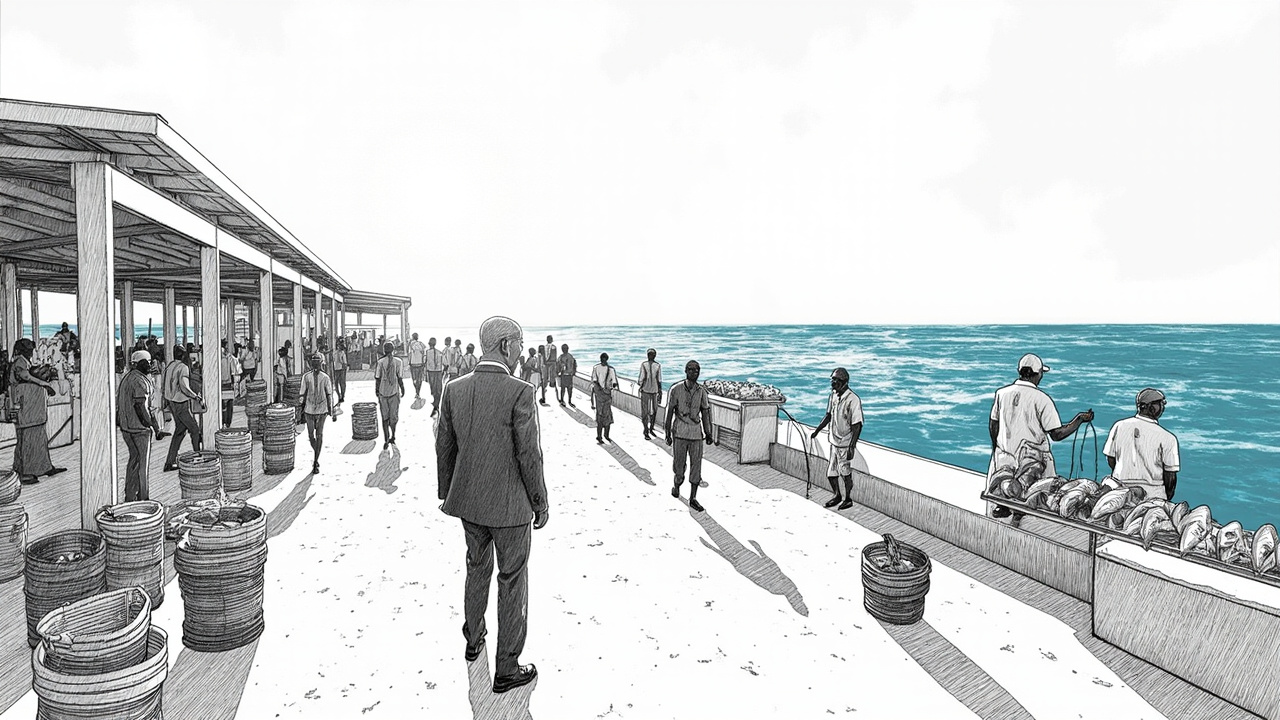
Modern Fish Market Inaugurated in Mbuyuni
Zanzibar Second Vice-President Hemed Suleiman Abdulla inaugurated a modern fish market in Mbuyuni, South Pemba Region, on Tuesday. The facility represents a strategic investment in local infrastructure. The market is expected to create employment opportunities and stimulate business activity across Mkoani District and surrounding areas.
Facility Details and Economic Impact
The Mbuyuni fish market features modern processing areas, cold storage units, and dedicated selling spaces. These improvements address previous infrastructure gaps in the region's fishing sector. The market will serve approximately 200 local fishing boats operating in Pemba Channel. This development comes as Tanzania's fishing sector contributes about 1.4% to national GDP, according to 2022 National Bureau of Statistics data.
Local officials project the market will create 150 direct jobs in its first year of operation. These positions include fish handlers, processors, quality inspectors, and administrative staff. Another 300 indirect jobs are expected in supporting services like transportation, equipment repair, and packaging supply.
Why It Matters
This market addresses critical infrastructure needs in South Pemba's fishing industry. Previously, fishermen faced challenges with storage and market access. The new facility provides proper handling facilities that can reduce post-harvest losses by an estimated 15-20%. This improvement matters because fish represents a primary protein source and income generator for coastal communities.
The investment aligns with Tanzania's broader Blue Economy Strategy launched in 2020. That strategy aims to increase marine sector contributions to national development. The market also supports Zanzibar's Fisheries Development Plan 2021-2025, which targets a 30% increase in fish processing capacity.
Regional Business Opportunities
The market creates immediate opportunities for local entrepreneurs. Fish processing businesses can now access better facilities for value addition. Transportation companies will see increased demand for moving products to mainland markets. Equipment suppliers can provide ice machines, weighing scales, and packaging materials to market vendors.
Tourism operators might develop fishing experience packages for visitors. The improved facilities could support export certification processes. This matters because Tanzania exported $193 million worth of fish products in 2023, according to Bank of Tanzania records.
What Businesses Should Watch
Companies should monitor how the market integrates with existing supply chains. Watch for new cold storage partnerships between market operators and logistics firms. Observe whether quality standards improve enough to access premium markets in Dar es Salaam and beyond.
Businesses should track permit requirements from the Tanzania Fisheries Research Institute and Zanzibar Fisheries Department. These agencies regulate fish handling and export certifications. The market's success might prompt similar investments in other coastal regions.
Investors should note the market's location advantages. Mbuyuni sits near productive fishing grounds in Pemba Channel. The area has potential for expanded operations if initial results prove positive. Local businesses might form cooperatives to maximize bargaining power with buyers.
Implementation Timeline and Costs
The market construction required approximately 18 months from planning to completion. While specific costs weren't disclosed, similar infrastructure projects in Tanzania's fishing sector typically range from TZS 2-4 billion ($800,000-$1.6 million). Funding likely combined government allocations and development partner support.
The facility now enters its operational phase. Market management will establish vendor registration systems and fee structures. Training programs for fish handlers will begin in coming weeks. These programs focus on hygiene standards and value addition techniques.
Future Development Prospects
The market's success could trigger additional investments in South Pemba. Improved fish handling might attract processing plants for canned or frozen products. Better infrastructure could support aquaculture development in sheltered coastal areas.
Local officials might pursue partnerships with technical institutes. These partnerships could develop specialized training for fish quality control. Such training would help workers meet international export standards.
The market represents one component of broader economic development in Pemba. Other sectors like tourism and agriculture might benefit from improved infrastructure and increased economic activity. The project demonstrates how targeted infrastructure investments can stimulate multiple sectors in coastal economies.
Market Operations and Management
The market will operate daily from 4 AM to 8 PM to accommodate fishing schedules. Management has established quality control checkpoints at entry points. These checkpoints ensure only properly handled fish enter the selling areas.
Vendor spaces are allocated through a registration process with Mkoani District authorities. Priority goes to local fishermen and existing fish traders. The system aims to prevent market domination by outside operators.
Revenue from stall rentals and service fees will fund market maintenance. A portion will support community development projects in surrounding villages. This approach ensures local communities benefit directly from the facility.
Challenges and Considerations
The market faces several operational challenges. Reliable electricity supply remains crucial for cold storage units. Fuel costs affect ice production and transportation expenses. Market management must balance service fees with vendor affordability.
Seasonal variations in fish catches will affect market activity. The monsoon season from March to May typically reduces fishing days. The market must develop strategies to maintain operations during slower periods.
Environmental considerations include proper waste management from fish processing. The facility includes treatment systems for wastewater. Regular monitoring will ensure compliance with environmental regulations.
Broader Economic Context
Tanzania's fishing sector employs approximately 200,000 people directly. Another 800,000 work in related activities, according to 2023 Ministry of Livestock and Fisheries data. The sector has grown at about 4% annually over the past five years.
The Mbuyuni market contributes to this growth trajectory. It represents the type of infrastructure investment needed to unlock the sector's potential. Similar markets in Bagamoyo and Mtwara have demonstrated how proper facilities can increase fisher incomes by 20-30%.
Zanzibar's fishing industry particularly needs such investments. The islands have high dependence on marine resources for food security and livelihoods. Improved market access helps stabilize local fish supplies and prices.
Next Steps for Stakeholders
Market operators will focus on building vendor capacity in coming months. Training programs will cover fish grading, packaging, and basic business skills. These programs aim to help vendors maximize their earnings from the improved facilities.
Local government will monitor the market's economic impact through regular surveys. Key metrics include employment numbers, vendor incomes, and fish quality improvements. This data will inform future infrastructure planning.
Businesses interested in the market should engage with Mkoani District authorities. The district office handles vendor registration and partnership inquiries. Early engagement might secure favorable positions in this developing economic hub.
The market's opening represents more than just new infrastructure. It signals renewed focus on developing Pemba's economic potential through strategic investments. The facility's performance will influence future decisions about similar projects across Tanzania's coastline.