CRDB Bank's Miner Lending Plan Faces Implementation Challenges

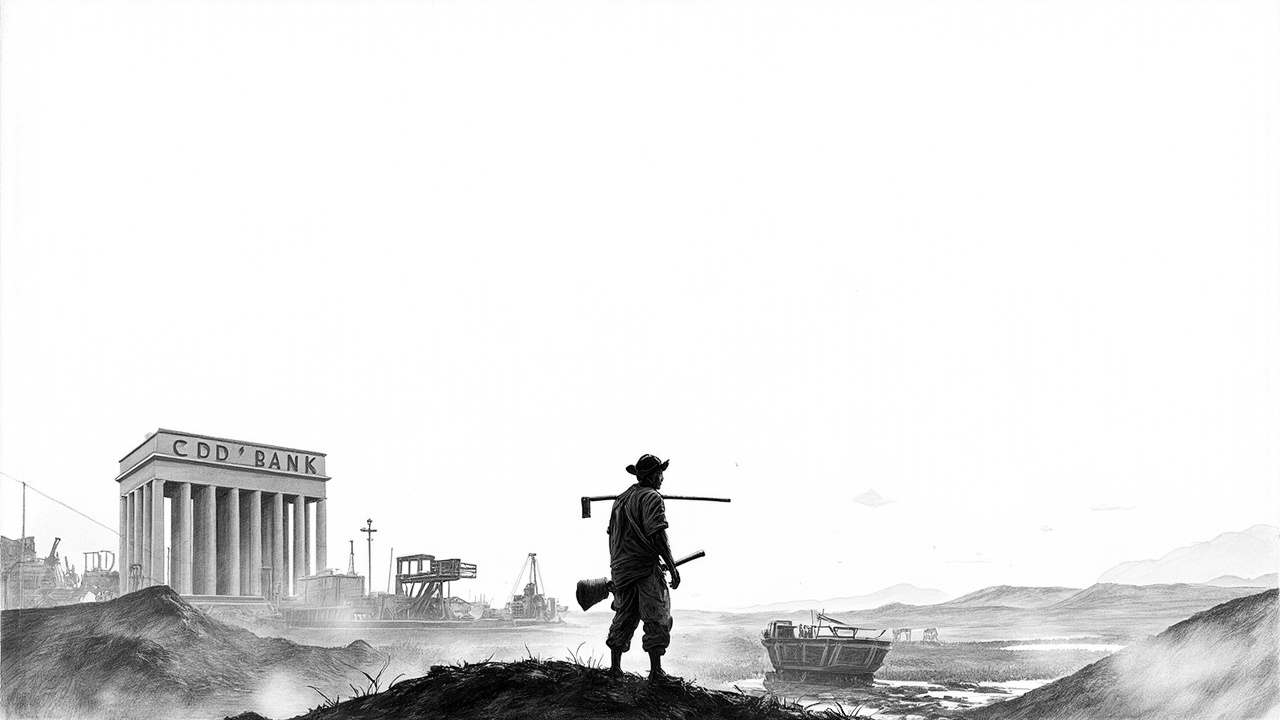
Platform dependency risks emerge in Tanzania markets
CRDB Bank's February 23 agreement with Tanzania's Mining Commission to finance small-scale miners represents a significant move into an underbanked segment, but implementation challenges loom large. The partnership targets artisanal miners who Minister Mavunde calls a "breakthrough" opportunity, though the operational realities suggest complex hurdles ahead.
Small-scale miners operate on razor-thin margins with volatile gold prices. Digital lending platforms typically require various fees for account maintenance, transaction processing, and additional features like inventory tracking. Once miners migrate their financial data to a bank's network, switching costs become prohibitive.
The agreement promises to address "long-standing challenges faced by miners in accessing finance, technology, and formal markets," according to official statements. But artisanal miners lack traditional collateral. Their assets are picks, shovels, and informal mining claims that banks cannot easily evaluate or legally secure.
CRDB will likely structure loans around future gold deliveries, creating a commodity financing arrangement. Miners could become captive suppliers, potentially forced to sell exclusively through the bank's platform at predetermined prices. When gold prices spike, miners cannot capitalize. When prices crash, they face default risks.
Formal banking requirements for mining sector loans typically demand substantial collateral coverage. Artisanal operations struggle to meet these thresholds without government guarantees, which the current agreement does not explicitly specify.
Competition from informal lending networks
Tanzania's artisanal miners already access finance through traditional rotating credit associations (vikoba) and informal lenders who understand seasonal cash flows. These alternatives offer flexible repayment terms without digital platform dependencies or complex documentation requirements.
Formal lending products typically impose rigid monthly payment schedules that conflict with mining's irregular income patterns. High churn rates become likely when borrowers realize informal lenders offer better terms without additional fees or technological barriers.
Tanzania's small-scale mining sector operates through informal cooperatives that pool resources and share equipment. Digital platforms capture granular data on production volumes, member contributions, and revenue splits. This creates valuable datasets that mining cooperatives cannot easily extract or transfer to competing financial providers.
The Mining Commission partnership gives CRDB regulatory backing to become the sector's primary financial infrastructure. Once established, switching costs compound: new banks must rebuild credit histories, recalibrate risk models, and recreate operational integrations.
Market reality versus platform ambitions
The risk emerges that banks overinvest in platform development before proving product-market fit with artisanal miners. While financial institutions favor recurring revenue models, small-scale miners prioritize access over sophisticated features. Simple financial solutions often outperform complex technological platforms in emerging markets.
Artisanal miners face immediate cash flow needs that don't align with lengthy application processes or extensive documentation requirements. The informal sector's speed and flexibility create competitive pressure that formal banking struggles to match.
CRDB's success will depend on adapting traditional banking products to mining's unique operational patterns. This includes understanding seasonal production cycles, equipment replacement needs, and cooperative decision-making structures that differ from individual borrowing models.
The partnership's regulatory framework provides legitimacy but doesn't automatically solve underlying market dynamics. Small-scale miners have survived without formal banking access by developing alternative financial networks that serve their specific needs.
Implementation challenges ahead
Without addressing fundamental collateral requirements and platform dependency risks, CRDB's mining venture faces significant implementation hurdles. The gap between regulatory announcements and operational reality often proves wider than anticipated in emerging market financial services.
Success requires understanding that artisanal miners operate in cash-based economies with informal business practices. Forcing digital adoption without addressing underlying operational needs could limit uptake regardless of regulatory support.
This partnership represents ambitious goals for financial inclusion, but sustainable implementation demands realistic assessment of market conditions and borrower capabilities. The mining sector's informal networks exist for practical reasons that formal banking must acknowledge and accommodate rather than simply replace.