COPRA Training Exposes Tanzania's Seed Sector Bottleneck

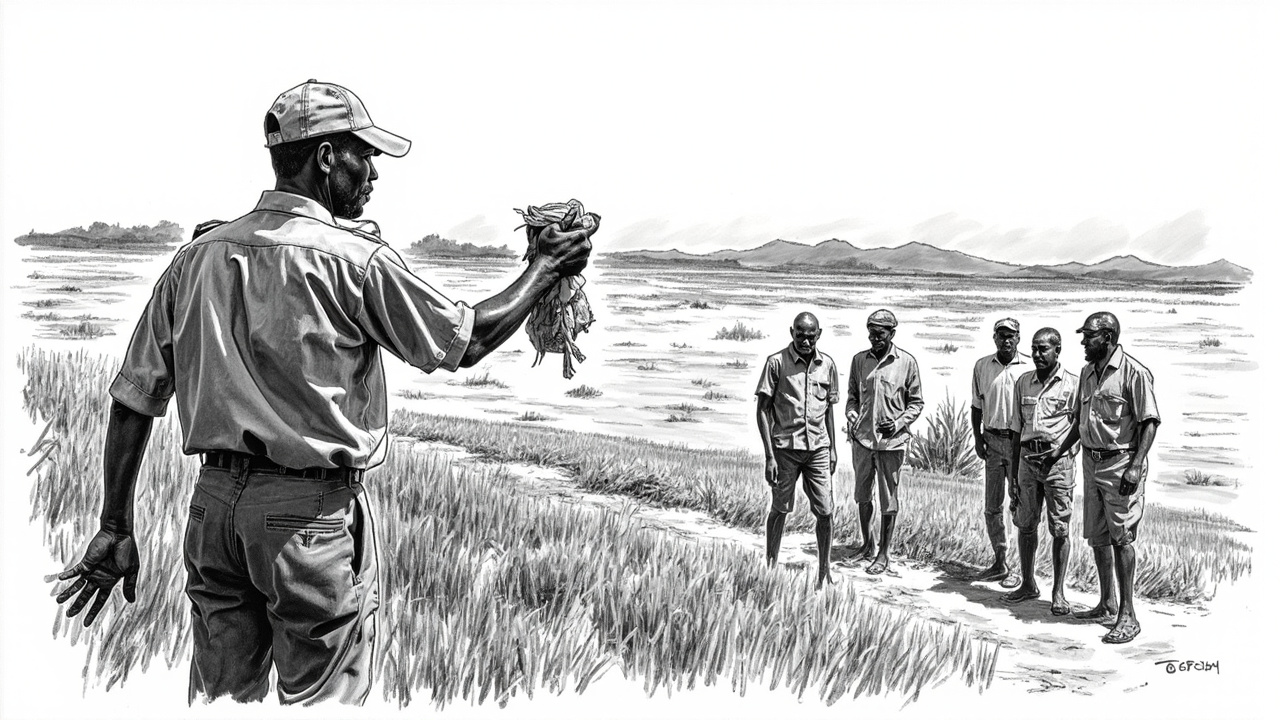
Tanzania's Cereals and Mixed Crops Regulatory Authority trained Coast Region extension officers on March 21, 2026, to boost sesame and legume yields according to Kilimo Kwanza. This move highlights a core problem. COPRA targets productivity, but the real constraint is not farmer knowledge. It is access to certified seeds and predictable markets. For investors, this signals a regulator trying to formalize a fragmented sector from the top down. The risk is that training without structural reform just polishes a broken system. COPRA's mandate covers formalizing marketing for oilseeds and pulses per The Citizen. Its Director General, Irene Mlola, pushes for a stronger seed production system. This one-day session does little to address that. It is a tactical move in a strategic war Tanzania is losing. Regional competitors like Ethiopia and Uganda have more cohesive seed policies. Their farmers get higher yields because they can actually buy the improved seeds extension officers promote.
The seed system disconnect
COPRA recently held meetings to improve access to quality seeds. That admission is telling. Training officers on sustainable practices is pointless if the seeds they recommend are unavailable or unaffordable. Tanzania's seed multiplication and distribution channels remain weak as of 2026. The agency aims to strengthen the system for sesame, legumes, and avocado. This is a multi-year project. A single training event in the Coast Region is a public-facing activity that masks slower, harder institutional work. Investors should watch for follow-on actions. Does COPRA publish a list of licensed seed producers? Does it release data on certified seed distribution volumes? Without these, the training is theater. The value for agribusiness lies in a formalized supply chain. Today, it remains informal and inefficient.
The value addition mirage
In 2026, COPRA and the Tanzania Mercantile Exchange pushed for value addition in the sesame sector. That goal remains distant. Tanzania exports raw sesame. Processing capacity is minimal. Training extension officers on quality standards for the market is a first step. It does not build processing plants or secure export contracts. The second-order effect is familiar. Farmers may grow more, but without offtake agreements and price stability, they face a boom-bust cycle. Who quietly benefits? Local aggregators and cross-border traders who buy low during gluts and sell high to regional processors. The promised value addition enriches middlemen, not producers or processors. For portfolio investors, this is a red flag. It indicates a policy focus on inputs rather than outcomes. The real money in African agri-value chains is in logistics, processing, and branding. Tanzania's regulatory approach still prioritizes production volume over capture.
COPRA's training is a symptom of a deeper issue. African agricultural policy often confuses activity with achievement. The agency is checking a box for donor reports and ministerial deliverables. The investor takeaway is blunt. Do not bet on sesame or legume production growth based on extension training. Bet on it when COPRA releases audited seed distribution numbers or when a major processor announces a Tanzanian plant. Until then, this is noise. The quiet beneficiaries are the consultants and NGOs in the training industrial complex. The losers are farmers expecting change and investors waiting for a functional market.