Tanzania Port Expansion Boosts East African Trade Corridor

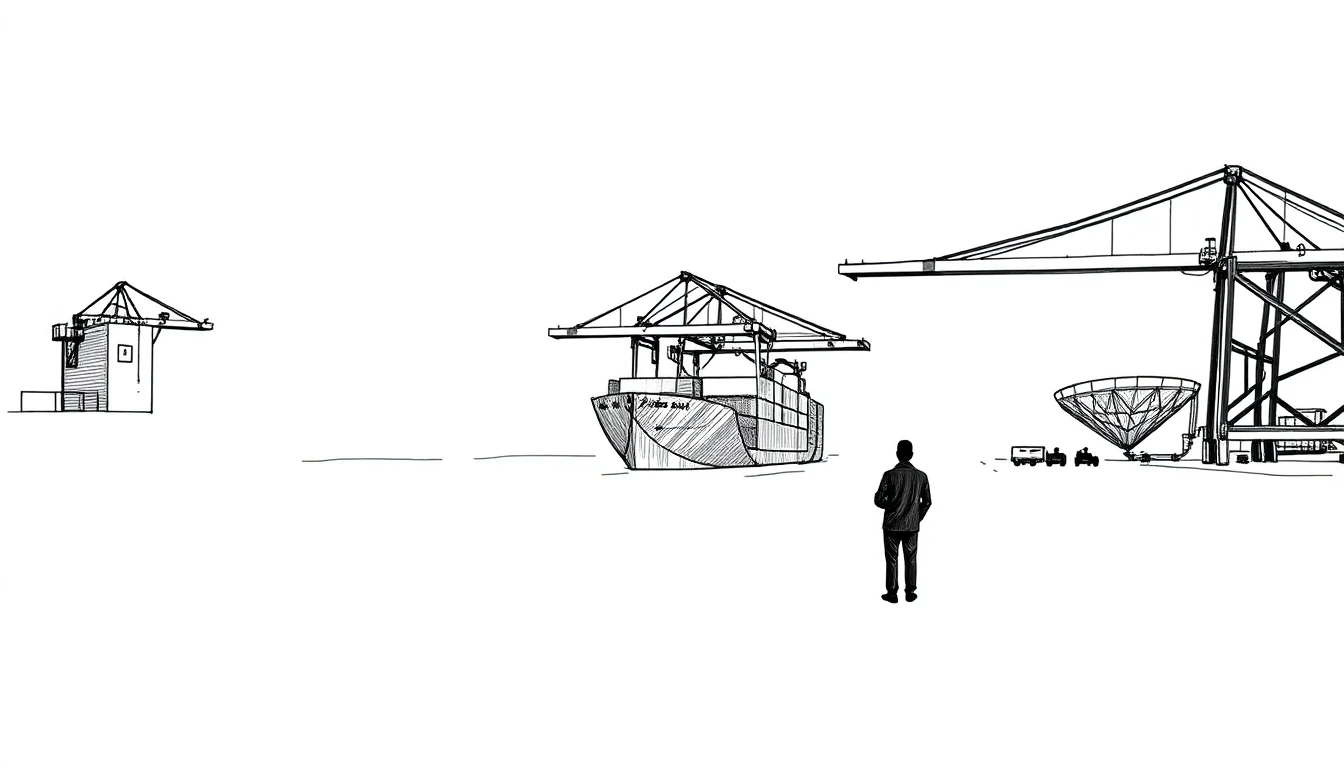
The Dar es Salaam port expansion is transforming Tanzania's economy. This $421 million project will increase cargo handling capacity by 25%. It connects landlocked neighbors to global markets. Entrepreneurs can now access faster shipping routes. Investors see new opportunities in logistics and warehousing. Business owners should prepare for reduced transport costs. The port handles 14.5 million tons of cargo annually. This expansion will add 3.6 million tons by 2025. The project includes new berths and deeper channels. It will cut ship waiting times from 4 days to 24 hours. This improvement saves businesses $200 per container in demurrage fees. The Tanzania Ports Authority manages the expansion. China Harbor Engineering Company is the main contractor. The African Development Bank provided $345 million in financing. The government contributed $76 million. Construction began in 2019 and will finish in 2024. The port serves six landlocked countries. These include Rwanda, Burundi, Uganda, Zambia, Malawi, and the Democratic Republic of Congo. These countries depend on Dar es Salaam for 90% of their imports. The expansion will reduce transit times by 30%. This means goods reach Kigali in 5 days instead of 7. It means products get to Lusaka in 6 days instead of 9. These time savings lower inventory costs for businesses. They also improve product freshness for agricultural exports.
How the Port Expansion Works
The expansion adds three new container berths. Each berth is 300 meters long. They can handle Panamax-class vessels. These ships carry up to 4,500 containers. The project deepens the entrance channel from 11.5 meters to 14 meters. This allows larger ships to enter the port. New gantry cranes will load and unload containers faster. They move 30 containers per hour. Old cranes only moved 18 containers per hour. The port will install modern scanning equipment. This speeds up customs clearance. It reduces inspection times from 48 hours to 12 hours. The expansion includes a new logistics park. This park offers 50 hectares of warehousing space. Companies can store goods near the port. They save on trucking costs to distant warehouses.
Costs and Requirements for Businesses
Shipping costs will drop by 15% after the expansion. A 20-foot container from Shanghai to Dar es Salaam costs $1,800 now. It will cost $1,530 by 2025. Port fees for importers are $120 per container. Exporters pay $80 per container. These fees include handling and documentation. Businesses need a Taxpayer Identification Number (TIN). They must register with the Tanzania Revenue Authority. Importers require an Import License. This costs $100 and takes 7 days to process. Exporters need an Export License. This costs $50 and takes 3 days. All companies must use the Tanzania Electronic Single Window System. This system processes trade documents online. It reduces paperwork from 12 documents to 4. The system charges $20 per transaction.
Investment Opportunities in the Trade Corridor
Investors can fund warehouse construction near the port. A 5,000-square-meter warehouse costs $500,000 to build. It generates $100,000 annual rental income. Logistics companies need fleet expansion. A new truck costs $80,000. It can earn $40,000 per year on the Dar es Salaam to Kigali route. Cold storage facilities are in high demand. A 1,000-ton cold store costs $300,000. It serves agricultural exporters shipping flowers and vegetables. The Tanzanian government offers tax incentives. Investors get a 10-year corporate tax holiday. They pay 0% tax for the first five years. They pay 10% tax for the next five years. Normal corporate tax is 30%. The government also exempts import duties on machinery. This saves investors 25% on equipment costs.
Step-by-Step Guide to Using the Improved Port
First, register your business with the Business Registrations and Licensing Agency (BRELA). This costs $50 and takes 14 days. Second, open a corporate bank account. CRDB Bank and NMB Bank offer trade finance services. They provide letters of credit within 48 hours. Third, hire a customs clearing agent. Agents charge $50 per shipment. They handle all port paperwork. Fourth, book shipping space with a freight forwarder. Maersk and CMA CGM operate regular services from Dar es Salaam. They sail to Asia, Europe, and the Americas. Fifth, track your shipment using the port's online system. It gives real-time updates on container location. Sixth, insure your goods. Jubilee Insurance offers marine cargo insurance. It costs 0.5% of the cargo value. Seventh, arrange inland transportation. You can use trucking companies like Mace Logistics. They charge $1,500 to move a container from Dar es Salaam to Kampala.
Market Data and Trends
Tanzania's GDP grew by 5.2% in 2023. The transport sector grew by 7.1%. Port traffic increased by 8.3% last year. It will grow by 10% annually through 2030. The East African Community trade bloc has 300 million consumers. Its GDP is $305 billion. Dar es Salaam port handles 75% of Tanzania's trade. It contributes 12% to the national GDP. The port expansion will create 5,000 direct jobs. It will create 20,000 indirect jobs in logistics and services. Regional trade within East Africa is worth $15 billion. It will reach $25 billion by 2030. The Standard Gauge Railway connects the port to the interior. It moves cargo at 80 km/h. The old railway only moved cargo at 30 km/h.
Practical Examples for Entrepreneurs
Jane Mwangi exports coffee from Rwanda. She uses Dar es Salaam port. Her shipping time to Europe was 28 days. After the expansion, it will be 22 days. She saves $500 per container on reduced storage fees. David Omondi imports electronics from China to Uganda. His goods spent 10 days at the port. Now they spend 4 days. He reduces his working capital needs by $20,000. Sarah Chanda runs a logistics company in Zambia. She operates 10 trucks on the Dar es Salaam route. The expansion lets her add 5 more trucks. Her revenue will increase by $200,000 next year.
Best Practices for Business Owners
Use electronic documentation to avoid delays. The port accepts PDF files for bills of lading. Plan shipments during off-peak seasons. June to August has less congestion. Negotiate bulk rates with shipping lines. Maersk offers 10% discounts for 100 containers per year. Visit the port personally to understand procedures. The Tanzania Ports Authority offers free tours every Tuesday. Build relationships with customs officials. Attend the monthly trade facilitation meetings. They happen on the first Wednesday of each month. Diversify your transport options. Use both trucks and rail for critical shipments.
FAQ Section
How much does it cost to ship a container from Dar es Salaam to Mombasa? It costs $800 by truck. It costs $600 by rail. The rail option takes 2 days longer.
What are the port operating hours? The port operates 24/7. Customs offices work from 8 am to 5 pm Monday to Friday.
Do I need a local partner to import goods? No, foreign investors can own 100% of import businesses. They must register a local company.
How do I check port congestion? Use the Dar es Salaam Port App. It shows real-time ship queues and waiting times.
What languages are used at the port? English and Swahili are the official languages. Most staff speak both.
Are there special rules for perishable goods? Yes, perishable goods get priority clearance. They must be cleared within 6 hours of arrival.
How do I pay port fees? You can pay via mobile money (M-Pesa), bank transfer, or credit card. The port accepts Visa and Mastercard.
The Dar es Salaam port expansion makes Tanzania a trade hub for East Africa. It cuts costs and saves time for businesses. Entrepreneurs should explore new export markets. Investors can fund logistics infrastructure. Business owners must adapt to faster supply chains. The port will handle 18 million tons of cargo by 2025. This growth will boost regional trade. Start by visiting the Tanzania Investment Centre. They offer free advisory services. Then contact freight forwarders for shipping quotes. Finally, attend the East African Trade Forum in November. It connects businesses with port officials and shipping lines.