Senegal's Rising Arms Imports Mask Fintech Budget Risks

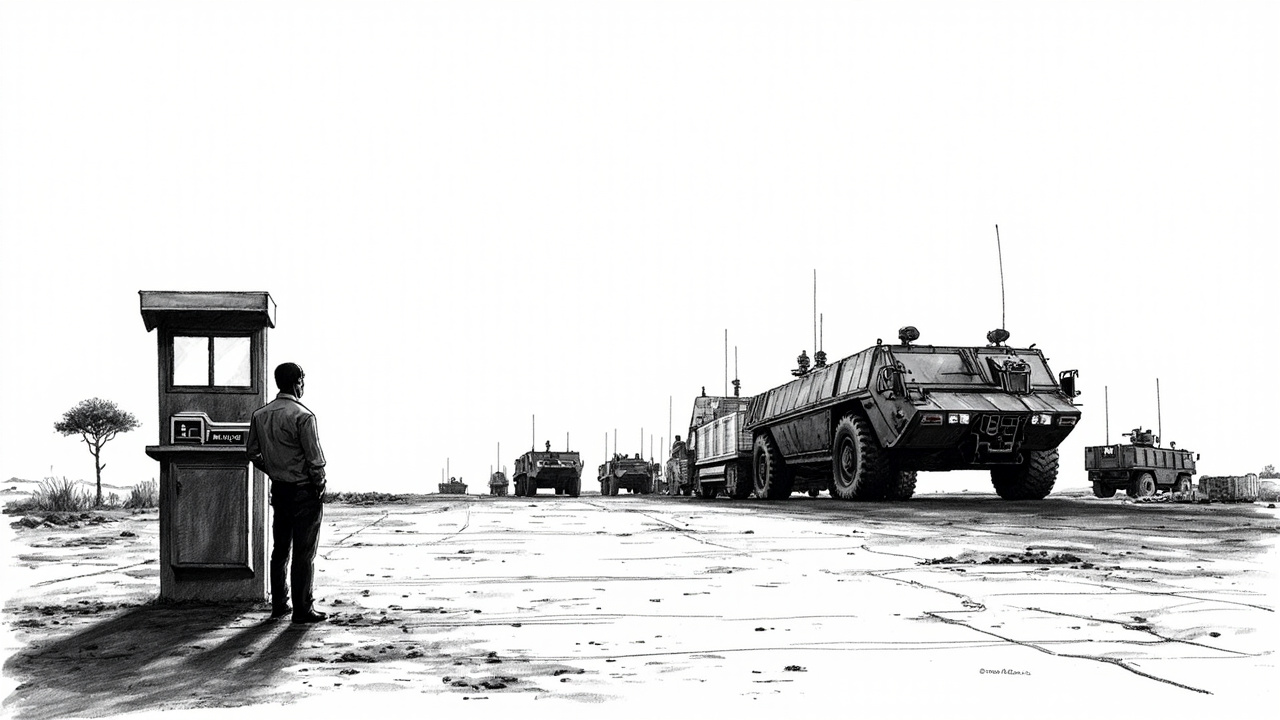
Senegal's reported rise in military spending could redirect capital from growth sectors like digital payments, according to a new regional arms import ranking. This shift signals potential budget pressure on the country's fintech and telecom infrastructure, where mobile money taxes already strain agent network profitability. For investors, the risk is not conflict but opportunity cost: each dollar spent on defense imports is a dollar not spent on interoperable payment rails or clearing house upgrades.
The analysis comes as regional competitors like Morocco lead African arms procurement, per the Financial Afrik report. Senegal's long-established military tradition, structured around the Army and Gendarmerie, and its active international diplomacy explain the spending increase rather than immediate security threats according to IRIS-France research.
Budget squeeze threatens digital inclusion
Military procurement contracts require hard currency reserves, tightening foreign exchange liquidity for private sector imports like POS terminals and switch hardware. The Central Bank of West African States (BCEAO) manages a pooled reserve for eight nations including Senegal. Every euro spent on defense equipment reduces euro availability for fintech firms upgrading their systems to meet new regional interoperability standards.
More critically, defense spending creates fiscal pressure to raise revenue elsewhere. Senegal already taxes mobile money transactions. Additional budget needs could mean higher transaction levies or new digital service taxes. This directly hits the economics of agent networks. Thin margins on cash-in/cash-out operations cannot absorb much more taxation before becoming unprofitable. Expect dormant wallet ratios to climb if transaction costs rise.
Regional security partnerships drain local talent
Senegal often contributes troops to regional peacekeeping missions. These deployments create a secondary drain: skilled technicians and managers from telecom and banking sectors join military engineering corps. The digital payments sector competes for the same pool of French-speaking engineers who understand both technology and West African regulatory frameworks. When the military hires them, fintech innovation slows.
West Africa faces collective security challenges that require regional coordination. But the financial architecture supporting that coordination remains underfunded per a 2023 security analysis. Senegal's rising imports suggest it's building unilateral capacity rather than investing in shared regional security infrastructure. That duplication wastes resources that could modernize cross-border payment systems under the African Continental Free Trade Area (AfCFTA).
Investors must watch for two signals. New mobile money taxes in Senegal's 2027 budget would indicate defense spending is crowding out digital development, while delays in the BCEAO's instant payment platform confirm talent and hardware shortages. The real winners are incumbent banks with legacy systems, which face less competitive pressure, while mobile money agents and rural customers pay more for stagnant services.