Markets

Mali's Treasury Issuance Tests Senegal's UEMOA Market Access

Kofi Mensa Kofi Mensa 68 views
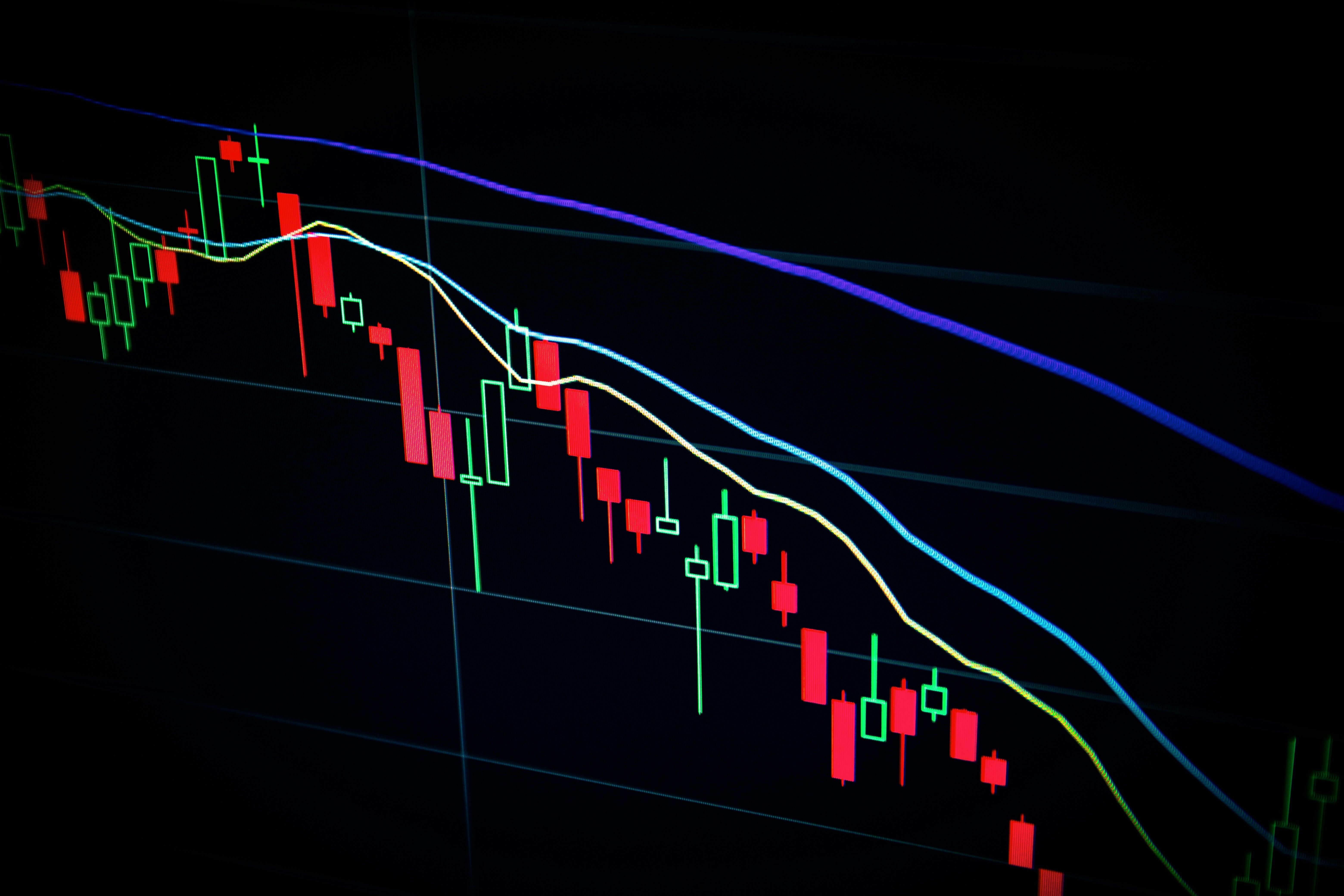
A view of the BRVM stock exchange trading board in Abidjan, representing the UEMOA financial market.
The Bourse Régionale des Valeurs Mobilières (BRVM) in Abidjan serves the eight-nation UEMOA zone, including Senegal and Mali.

Mali raised 53.7 billion CFA francs on the UEMOA financial market on March 20, 2026 according to Financial Afrik. The Malian Public Treasury obtained these funds from investors in the West African Economic and Monetary Union (UEMOA) market. This followed a similar 50.1 billion CFA franc issuance in February 2026. For Senegal, the repeated success of a neighbor with higher political risk raises questions. How much regional investor appetite is left for Dakar's own debt plans? The WAEMU bond market is not bottomless. When one sovereign taps it heavily, yields for others can creep up. Senegal's National Treasury must now compete for the same pool of regional bank and institutional capital. Expect more expensive borrowing costs for Senegal's next OAT or BAT issuance. This is not just about Mali. It's about market saturation.

liquidity shifts and payments system strain

Mali's bond sale pulls liquidity from the regional banking system. That liquidity was previously available for commercial lending or parked in central bank deposits. For Senegal's digital finance sector, this creates a hidden pressure point. Mobile money operators like Wave and Orange Money Senegal rely on bank partnerships to manage their float, the customer funds stored in electronic wallets. When banks allocate more capital to sovereign debt, their appetite for holding mobile money float diminishes. This can lead to tougher negotiations on float management terms and higher costs for payments providers. The strain is indirect but real. A bank would rather hold a Malian treasury bill yielding a set return than provide a service for a mobile operator's float at a lower margin.

investor implications and regulatory watch

Investors in Senegal's fintech and banking sectors should monitor two specific risks. First, watch the yields on the next Senegalese Treasury bill auction. A notable increase would confirm the crowding-out effect from Mali's activity. Second, scrutinize the quarterly reports of banks like Société Générale Sénégal and Banque de l'Habitat du Sénégal. Look for increased holdings of UEMOA sovereign debt versus private sector loans. This shift in asset allocation signals tighter credit conditions ahead. The Central Bank of West African States (BCEAO) faces a balancing act. It must enable government financing while preventing a credit crunch for the real economy. The current trend favors the former. For payments companies, the cost of capital is about to rise. Interoperability projects and agent network expansions that depend on cheap banking partnerships will face new margin pressures. The 53.7 billion CFA francs raised in Bamako will echo in Dakar's boardrooms.

Companies Mentioned

Orange Money SenegalWaveSociété Générale SénégalBanque de l'Habitat du Sénégal

TOPICS

BCEAOtreasury billssovereign debtWAEMUbond issuanceliquidity managementmobile money float