Rwanda Holds Transport Fares as Fuel Prices Surge 28%

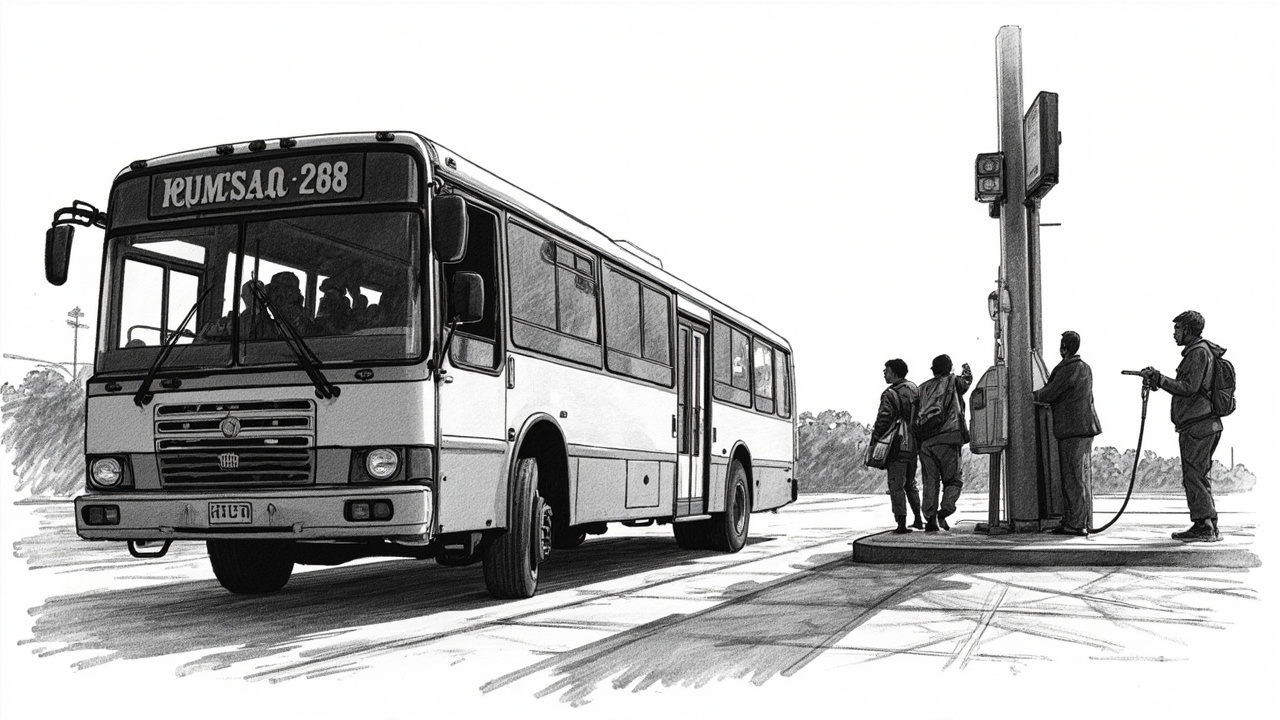
The Rwandan government is forcing a quiet subsidy onto transport operators. Public and personalized taxi fares in Kigali will not increase, even as petrol prices jump by nearly 28% according to KT Press. This policy shields commuters from immediate inflation. It also transfers notable financial risk to a fleet of newly accredited operators who now face a brutal margin squeeze.
Investors should watch for operator distress. This move tests the resilience of Rwanda's newly liberalized transport market. The City of Kigali recently accredited 18 new operators, comprising 14 companies and 4 individuals per the city's announcement. These entrants won bids expecting a rational link between input costs and regulated fares. That link is now broken.
The operator squeeze
Fixed fares with a 28% fuel cost increase create a classic margin trap. Operators cannot pass on the higher fuel expense to customers. They must absorb the cost or cut service quality. For smaller operators and individual license holders, this math threatens viability. The Rwanda Utility Regulatory Authority (RURA) and the City of Kigali set these fares based on a recent revision. Holding them steady is a political decision with commercial consequences.
The government cites stable diesel prices as one reason for the freeze. This is a partial hedge. Many vehicles in the paratransit fleet use petrol. The policy assumes operators have fat to trim. In reality, it pressures working capital and delays fleet renewal plans. I question who is truly paying for this price stability.
The hidden subsidy and its risks
This is an unfunded mandate. The state avoids a direct fuel subsidy but imposes an indirect one on private operators. A study on Nigeria's fuel subsidy removal recommends that saved funds be transparently redirected to critical infrastructure as noted in research. Rwanda's approach lacks that transparency. Operators bear the cost without a clear compensation mechanism.
The risk is a degradation of service or a wave of exits. If operators cannot cover costs, they will reduce vehicle maintenance, cut routes, or surrender their licenses. This would undermine the market expansion the government just engineered. For investors in logistics or vehicle financing, this volatility is a red flag. It signals regulatory intervention that can abruptly override market economics.
Rwanda's transport sector remains almost entirely road-dependent. The priority is social stability over operator profitability in the short term. This calculus has limits. Expect pressure to build behind the scenes. Accredited companies will lobby for relief through direct subsidy, tax breaks, or an imminent fare review. The current freeze is a stopgap.
Investors in African consumer markets should note this model. It suppresses price signals to manage urban cost of living. The second-order effect is a chilling signal to private capital in regulated infrastructure. Who invests in buses or taxis if fare setting becomes politically untethered from costs? Watch for the first operator to publicly buckle. That will be the real test.