Rwanda Markets Lock Into China Trade Dependency Risk

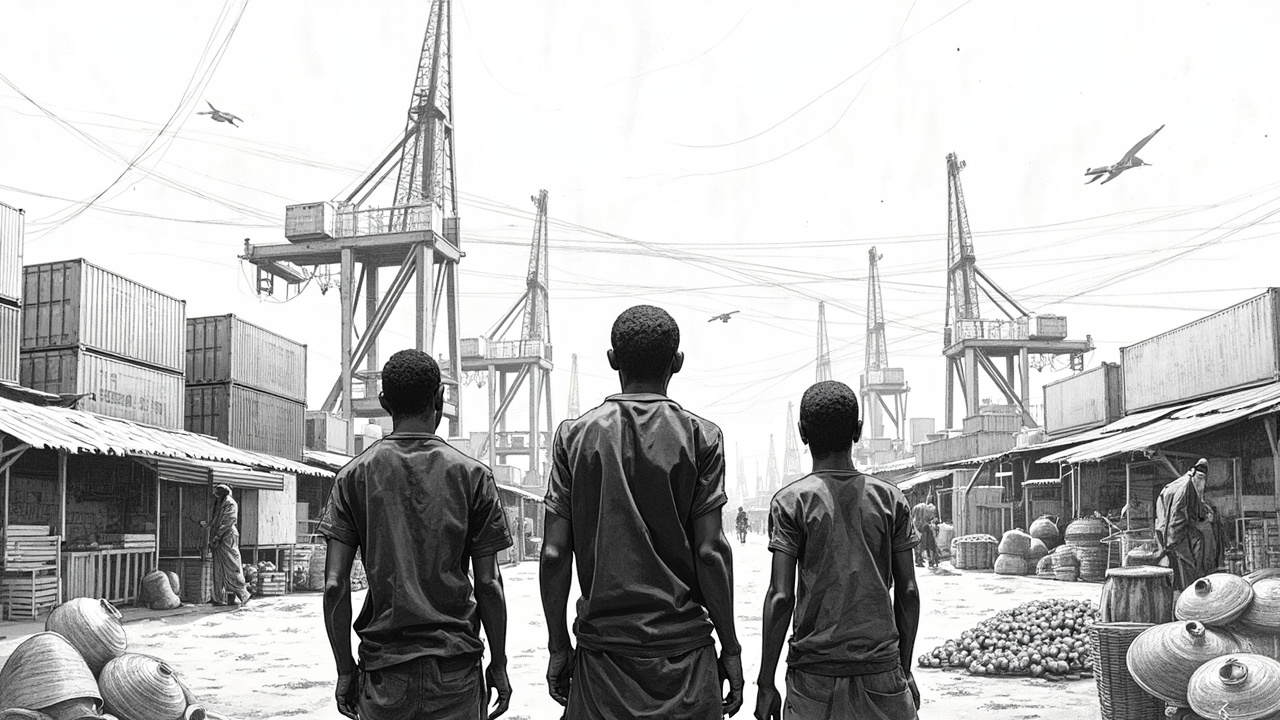
Platform dependency warning for Rwanda markets
Rwanda's year-long celebration of tariff-free access to Chinese markets masks a classic platform lock-in scenario. Since December 2024, Rwandan exporters have enjoyed 100% duty-free entry to China, but this preferential treatment creates the same dependency risks I see in SaaS pricing models. Free access today, pricing power tomorrow.
The numbers tell a familiar story. China granted zero-tariff treatment to 33 African LDCs initially, then expanded to 53 African countries by August 2025. This rapid scaling mirrors how platforms onboard users with generous terms before monetizing the relationship. Rwanda got early-mover advantage, but early adoption often means deeper entrenchment.
The Rwanda Revenue Authority should be asking the same questions I pose to fintech clients: What happens when the free tier ends? China's tariff elimination has no specified end date in available documentation. That's not generosity - it's customer acquisition strategy at geopolitical scale.
Export concentration creates churn vulnerability
Rwanda's export portfolio lacks the diversification that protects against platform changes. The country maintains bilateral investment treaties with Germany, Belgium-Luxembourg, South Korea, Singapore, and the UAE, plus TIFA and BIT agreements with the US since 2006-2008. But none offer the comprehensive tariff elimination China provides.
This creates what I call "feature dependency" - when users become reliant on platform-specific advantages they can't replicate elsewhere. Rwandan exporters now optimize for Chinese market preferences, regulatory requirements, and logistics networks. Switching costs accumulate with every shipment. China's strategy focuses on critical minerals and rare earth supply chains, positioning Rwanda as a supplier node rather than an independent trade partner.
The milestone of one full year of tariff-free access represents more than just cost savings - it signals the beginning of structural dependency. Rwandan businesses have had twelve months to reorganize their operations around Chinese market access, building relationships and processes that become harder to replicate with each passing quarter.
AfCFTA hedging becomes critical
China's expansion from 33 to 53 African countries signals platform maturation and creates a strategic opening for Rwanda within AfCFTA frameworks. While Chinese market access provides immediate revenue, over-concentration threatens Rwanda's position as an intra-African trade hub. The country's growing digital trade infrastructure increasingly channels flows toward Chinese supply chains, creating a concerning concentration risk.
Rwandan policymakers should prepare for the inevitable pricing conversation. Will tariff-free access remain unconditional? What happens if Rwanda's foreign policy diverges from Chinese interests? The lack of specified termination clauses creates uncertainty that sophisticated exporters should hedge against.
The quiet milestone that Rwandan exporters are celebrating this month deserves louder scrutiny. One year of 100% tariff-free access to China's vast consumer market has created opportunities, but also vulnerabilities that compound over time. Each successful export shipment deepens the relationship while simultaneously increasing switching costs.
Strategic recommendations for export independence
The Rwanda Revenue Authority should implement export diversification metrics within 12 months, tracking the percentage of total exports flowing to China versus AfCFTA partners and existing treaty countries. This monitoring becomes essential as the country's export patterns solidify around Chinese market preferences.
Expect conditionality to emerge within 18-24 months as Chinese market share solidifies - likely tied to infrastructure commitments or diplomatic alignment requirements. The current unconditional access represents a customer acquisition phase that historically transitions to monetization once dependency establishes.
Rwanda's officials tout this tariff-free access as an advantage, and in the short term, they're correct. But platform economics suggests that today's advantage becomes tomorrow's dependency. The country needs deliberate diversification strategies before the switching costs become prohibitive. Free access is valuable, but vendor independence is survival.