MacTay VR training exploits Nigeria's unregulated skills gap

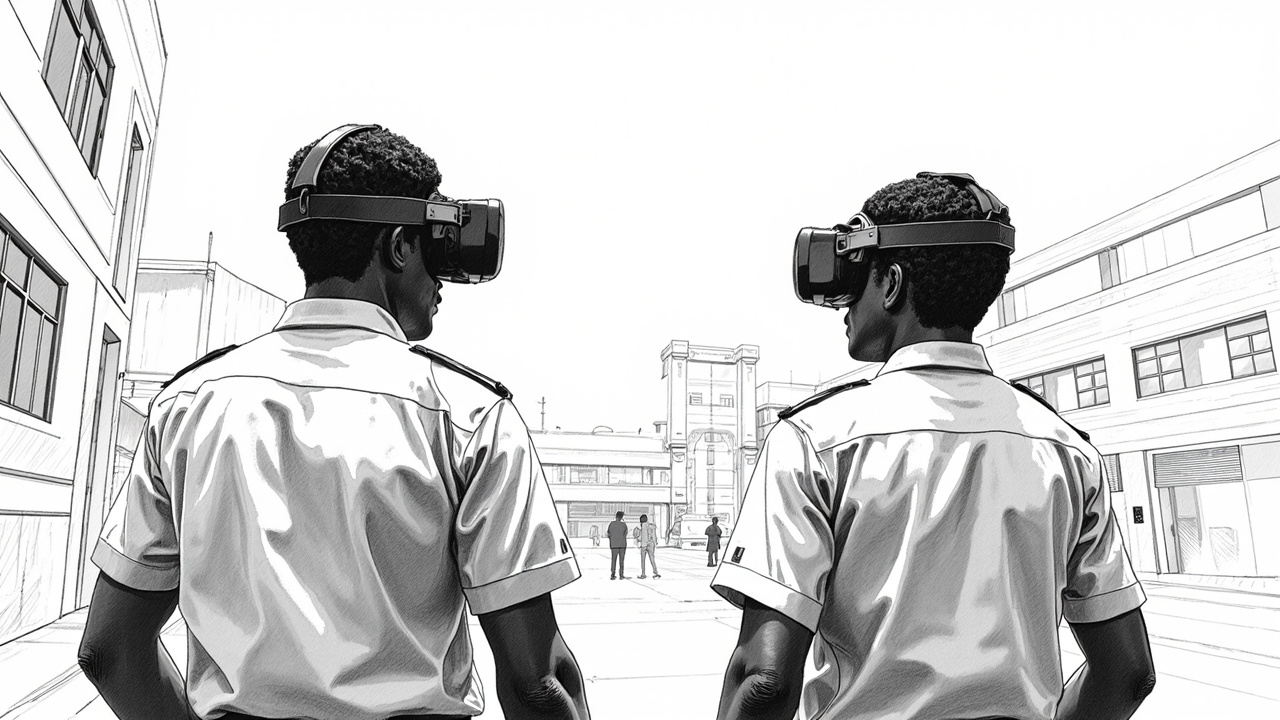
MacTay's virtual reality program trains 300 Lagos ambulance workers by simulating life-threatening accidents on the Lekki-Ikoyi link bridge. The 40-year-old firm bets immersive technology can scale quality where traditional methods fail, given Nigeria's inconsistent training standards. This move targets a regulatory void: Nigeria lacks standardized, nationally accredited simulation protocols for emergency medical services. MacTay operates in an ungoverned space, creating first-mover advantage alongside compliance risk.
Betting on a regulatory void
Nigeria's VR market has growth potential driven by mobile penetration and healthcare demand, per Novatia Consulting research. Local developers produce culturally relevant content. MacTay's real opportunity isn't headset sales but filling the accreditation gap. The National Board for Technical Education or Medical and Dental Council of Nigeria could later set strict rules, forcing expensive retrofits. Early programs become test cases for future regulation.
Scalability versus unproven efficacy
The model's scalability attracts investors. Once built, a VR simulation's marginal training cost approaches zero. That argument appeals to cash-strapped state governments. The return-on-investment narrative is strong. Yet the technology's effectiveness in Nigeria remains unproven beyond this pilot. Does virtual muscle memory translate to chaotic, poorly lit accident scenes in Ajegunle? MacTay assumes high-fidelity simulation beats the current alternative: often no simulation at all.
The pan-African accreditation problem
AfCFTA aims to harmonize trade, but professional skills accreditation remains a national patchwork. A paramedic certified via VR in Lagos cannot work in Accra without retraining. If successful, MacTay's solution could become a de facto standard and give the company an edge in regional negotiations. That's a long-term play. Immediate beneficiaries are MacTay, which diversifies beyond contact centers, and Lagos State's emergency services. Quiet losers are legacy training institutes unable to pivot to tech-driven models. Expect more Nigerian firms to repurpose VR for oil, gas, and construction safety drills. The market exists, but Nigeria's regulatory clock is ticking.