inDrive Launches In-App Advertising in Nigeria

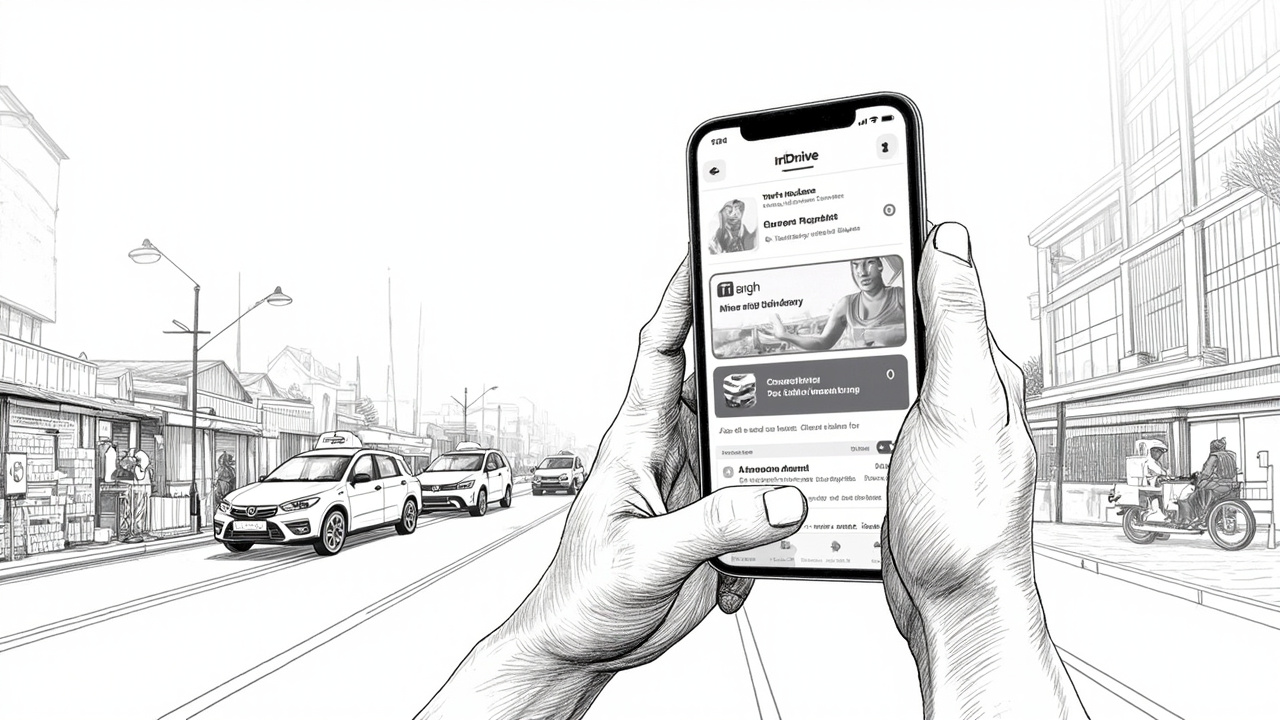
inDrive Rolls Out In-App Ads in Nigeria
inDrive has launched in-app advertising in Nigeria. The ride-hailing platform introduced this feature in 2025. This move creates a new revenue stream for the company. Ride-hailing platforms face pressure on commissions and driver earnings. Long-term sustainability remains a challenge across the industry.
How In-App Advertising Works on inDrive
Users will see advertisements within the inDrive app. These ads appear during the booking process. They also show up while users wait for their rides. The ads do not interfere with core ride-hailing functions. Users can still negotiate fares and select drivers as before. The advertising system targets users based on their location and ride history. This approach aims to deliver relevant promotions to riders.
Why It Matters
Ride-hailing companies need diverse income sources. Many platforms rely heavily on commission fees from drivers. These fees create tension with driver partners. Lower commissions can reduce driver earnings. Higher commissions make rides more expensive for users. Advertising provides an alternative revenue model. It allows companies to maintain competitive pricing. It also helps fund platform improvements and driver incentives. The Nigerian market presents unique opportunities. Mobile internet usage continues to grow rapidly. Digital advertising spending increases each year. inDrive's move could influence other ride-hailing services in Africa.
The Nigerian Ride-Hailing Landscape
Nigeria has several major ride-hailing platforms. These companies compete for users and drivers. Commission structures vary between platforms. Driver earnings have become a public concern. Some drivers have protested low pay and high platform fees. Fuel prices and vehicle maintenance costs add pressure. Passengers want affordable rides. Platforms must balance these competing demands. Advertising revenue could ease some financial pressures. It might allow platforms to reduce commission rates. This could improve relationships with drivers. It might also make rides more affordable for users.
What Businesses Should Watch
Monitor how users respond to in-app ads. Some riders might find ads intrusive. Others might appreciate relevant promotions. Watch for changes in commission structures. Advertising revenue could lead to lower platform fees. Observe whether other ride-hailing services follow this approach. The success of inDrive's advertising could trigger industry-wide changes. Track advertising partnerships and brand collaborations. Local businesses might use inDrive ads to reach mobile users. Watch for technical improvements to the advertising system. Better targeting could increase ad effectiveness. Monitor driver reactions to any platform changes. Their satisfaction affects service quality and availability.
The Path Forward for Ride-Hailing Platforms
Ride-hailing companies explore various revenue models. Some test subscription services for frequent riders. Others develop delivery and logistics services. Advertising represents another potential income stream. The Nigerian market tests this approach in a competitive environment. Success depends on user acceptance and ad relevance. Companies must maintain smooth ride-hailing experiences. They cannot let ads disrupt core transportation services. The balance between revenue and user experience remains critical. Future platform developments might include more integrated advertising. Ride receipts could contain promotional offers. Waiting screens might show local business information. The possibilities continue to expand as technology advances.
Advertising's Role in Platform Economics
Digital advertising generates substantial revenue globally. Social media and search platforms dominate this space. Ride-hailing apps represent a newer advertising channel. They offer location-based targeting opportunities. A user booking a ride to a shopping district might see retail ads. Someone traveling to an airport might view travel promotions. This contextual relevance increases ad effectiveness. Advertising income could subsidize ride costs. It might fund safety features or driver bonuses. The financial impact will become clearer over time. Early data from Nigeria will inform future decisions. Other African markets might adopt similar approaches if results prove positive.
User Experience Considerations
inDrive must manage ad frequency and placement carefully. Too many ads could frustrate users. Poorly timed promotions might delay ride bookings. The company likely tests different ad formats and schedules. User feedback will guide adjustments. Some riders might appreciate discount offers from advertisers. Others might prefer ad-free experiences even at higher ride costs. Platform designers face this balancing act. They must integrate ads without compromising service quality. Technical performance matters too. Ads should not slow down app loading times. They must work reliably across various mobile devices and network conditions.
Industry Implications Beyond Nigeria
Ride-hailing platforms operate worldwide. Many face similar economic pressures. Commission models attract regulatory scrutiny in some markets. Driver classification debates continue in multiple countries. Advertising offers a potential solution to these challenges. Nigeria serves as an important test case. Its large population and growing digital adoption make it representative. Results here could influence global platform strategies. Companies might roll out advertising in other markets. They could develop standardized ad systems across regions. The ride-hailing industry continues evolving rapidly. New revenue models emerge regularly. Advertising now joins this innovation landscape.