How to Start a Retail Business in Nigeria: Complete Guide

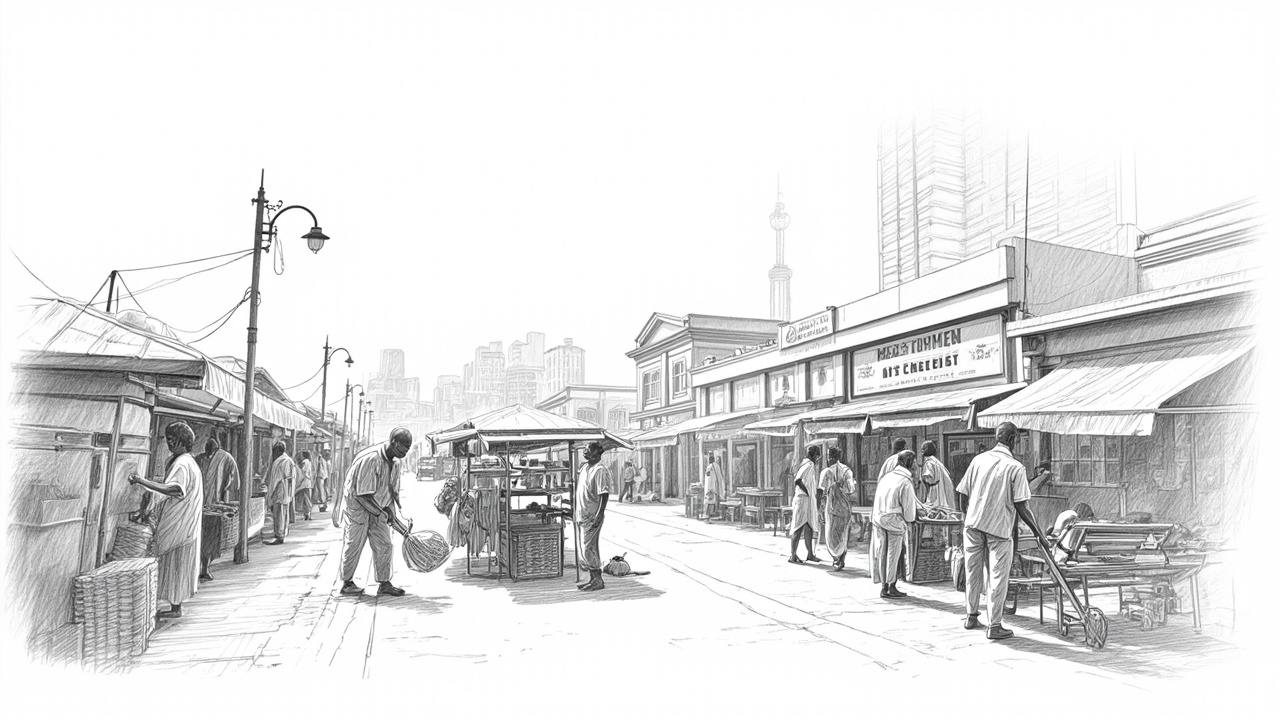
Nigeria's retail market offers real opportunity for entrepreneurs. With over 200 million people and a growing middle class, small retail businesses can thrive. This guide provides practical steps for starting your retail venture in Nigeria. We cover costs, legal requirements, and market strategies for 2026.
Business Registration and Legal Requirements
Register your business with Nigeria's Corporate Affairs Commission first. The CAC handles all business incorporation under the Companies and Allied Matters Act 2020. Registering a business name costs about ₦10,000 as of 2025. Incorporating a private limited company starts at ₦50,000. Use the CAC online portal at https://www.cac.gov.ng/ for registration. The process typically takes one to two weeks with complete documents.
You need a valid ID, proof of address, and two proposed business names. After CAC registration, obtain a Tax Identification Number from the Federal Inland Revenue Service. The TIN is free through https://www.firs.gov.ng/. Retail businesses selling food or health products need NAFDAC licenses. Small-scale product registration with NAFDAC starts at ₦30,000. Visit https://www.nafdac.gov.ng/ for specific requirements.
Capital and Startup Costs
Starting a small retail business in Nigeria requires careful budgeting. A basic provision store needs ₦500,000 to ₦2,000,000 initial capital. Rent costs ₦100,000 to ₦500,000 annually for a small shop in cities. Inventory requires ₦200,000 to ₦1,000,000 for initial stock. Basic equipment like shelves and a POS system costs ₦50,000 to ₦200,000.
Fashion retail businesses often need more capital. They typically start at ₦1,500,000 due to imported goods and branding needs. Consider microloans from institutions like the Bank of Industry. BOI offers SME loans with 9-12% interest rates as of 2025. These loans require collateral or a guarantor. Crowdfunding platforms like PiggyVest provide alternative funding options.
Location and Licensing
Choose your retail location carefully. High-traffic areas in Lagos like Ikeja command higher rents. These can exceed ₦1,000,000 annually. Smaller towns offer more affordable options at ₦50,000 to ₦200,000. Local government permits are mandatory for physical stores. Permit fees range from ₦5,000 to ₦50,000 depending on the state.
The Lagos State Government requires a trade permit. Obtain it through the Lagos State Ministry of Commerce, Industry, and Cooperatives. Visit https://lagosstate.gov.ng/ for details. Businesses must comply with environmental and safety regulations. These may involve inspections and fees around ₦10,000.
Tax Compliance and Recent Changes
Nigeria's new Tax Reform Acts took effect January 1, 2026. These changes impact small businesses directly. The ₦800,000 tax-free threshold benefits sole proprietors. It reduces personal tax burdens for individual earners. Small businesses with annual turnovers below ₦25 million are exempt from VAT registration. They must still file income tax returns with FIRS.
VAT for larger transactions remains at 7.5%. Retail businesses must issue receipts compliant with FIRS e-invoicing systems. Non-compliance penalties start at ₦50,000. These reforms aim to simplify tax administration. Small business owners should check FIRS announcements regularly for updates.
Market Entry and Competition
Nigeria's retail market has strong competition. Major players like Shoprite and local chains like Addide dominate urban areas. Small retailers can succeed by focusing on underserved communities. They can offer unique products or locally sourced goods. Mama's Choice grocery chain in Enugu succeeded with this approach.
digital tools boost visibility at minimal cost. Set up a free business profile on Google My Business. Sell products via WhatsApp Business for direct customer engagement. Nigeria's internet penetration reached 43% in 2023. This figure will likely be higher by 2026. Online marketing becomes more viable each year.
Challenges and Risks
Entrepreneurs face several challenges in Nigeria's retail sector. Inconsistent power supply requires generator investment. Generators cost ₦100,000 to $500 depending on capacity. Fluctuating exchange rates impact imported goods prices. Security concerns in some regions add operational costs. Private security averages ₦50,000 annually.
Bureaucratic delays at agencies like CAC or FIRS extend setup timelines. Expect two to four weeks for complete registration. Sometimes it takes longer. Plan for these delays in your business timeline.
Resources and Support
Several organizations support small retail businesses in Nigeria. The Small and Medium Enterprises Development Agency offers training and grants. Visit https://smedan.gov.ng/ for their programs. The Nigerian Export Promotion Council helps retailers source local products. Check https://nepc.gov.ng/ for export support.
Join local trade associations for networking. The National Association of Small Scale Industrialists provides advocacy support. Membership costs about ₦10,000. These connections help navigate business challenges.
Practical Business Strategies
Start with thorough market research. Identify what products your local community needs. Visit successful stores in your area. Observe their pricing, inventory, and customer service. Then develop your unique value proposition. Will you offer lower prices, better quality, or unique products?
Build relationships with reliable suppliers. Negotiate favorable payment terms. Consider consignment arrangements for new products. Track your inventory carefully to avoid stockouts or overstocking. Use simple spreadsheets or inventory management apps.
Train yourself in basic financial management. Understand profit margins, cash flow, and break-even points. Many small businesses fail due to poor financial control. Separate personal and business finances from day one.
Digital Presence and Marketing
Create a simple website or social media presence. Showcase your products with clear photos and prices. List your business on local directories and Google Maps. Offer delivery services to expand your customer base. Partner with delivery platforms for wider reach.
Use SMS marketing for customer retention. Send promotions to previous customers. Offer loyalty programs or discounts for repeat purchases. Collect customer feedback regularly. Adjust your offerings based on what sells best.
Scaling Your Business
Consider expansion once your retail business stabilizes. Open additional locations in neighboring areas. Diversify your product range based on customer demand. Explore wholesale opportunities with other retailers. Develop your own branded products for higher margins.
Monitor key performance indicators monthly. Track sales growth, customer count, and average transaction value. Compare your performance to industry benchmarks. Adjust your strategies based on what works.
FAQ
What is the cheapest retail business to start in Nigeria? A small provision store requires the least capital. You can start with ₦500,000 in a residential area. Focus on essential items like food staples and household products.
How long does business registration take in Nigeria? CAC registration typically takes one to two weeks. Delays can extend this to four weeks. Have all documents ready to speed the process.
Do I need a physical store to start retail in Nigeria? No, you can start with online sales or home delivery. Many retailers begin from home before renting a shop. This reduces initial costs significantly.
What are the biggest risks for retail businesses in Nigeria? Power outages and security concerns pose major risks. Fluctuating exchange rates affect imported goods prices. Plan for generator costs and consider insurance.
How do I find reliable suppliers in Nigeria? Visit major markets like Alaba International Market in Lagos. Attend trade fairs organized by NEPC. Network with other retailers for supplier recommendations.
Can foreigners start retail businesses in Nigeria? Yes, but they need a Nigerian partner for certain business structures. Consult with legal experts on specific requirements for foreign investors.
What digital tools help Nigerian retailers most? Google My Business provides free visibility. WhatsApp Business enables customer communication. Simple accounting apps help track finances.
Starting a retail business in Nigeria requires careful planning and execution. Follow the registration steps with CAC and FIRS first. Budget adequately for rent, inventory, and equipment. Choose your location based on target customers and affordability. Stay compliant with Nigeria's 2026 tax laws. Use digital tools to reach more customers. Join business associations for support and networking. Begin with thorough market research in your chosen area. Develop relationships with reliable suppliers. Track your finances carefully from day one. Consider starting small and expanding gradually. Nigeria's growing consumer market offers real opportunity for dedicated entrepreneurs.