Nigeria's tax machine sputters as Middle East crisis hits

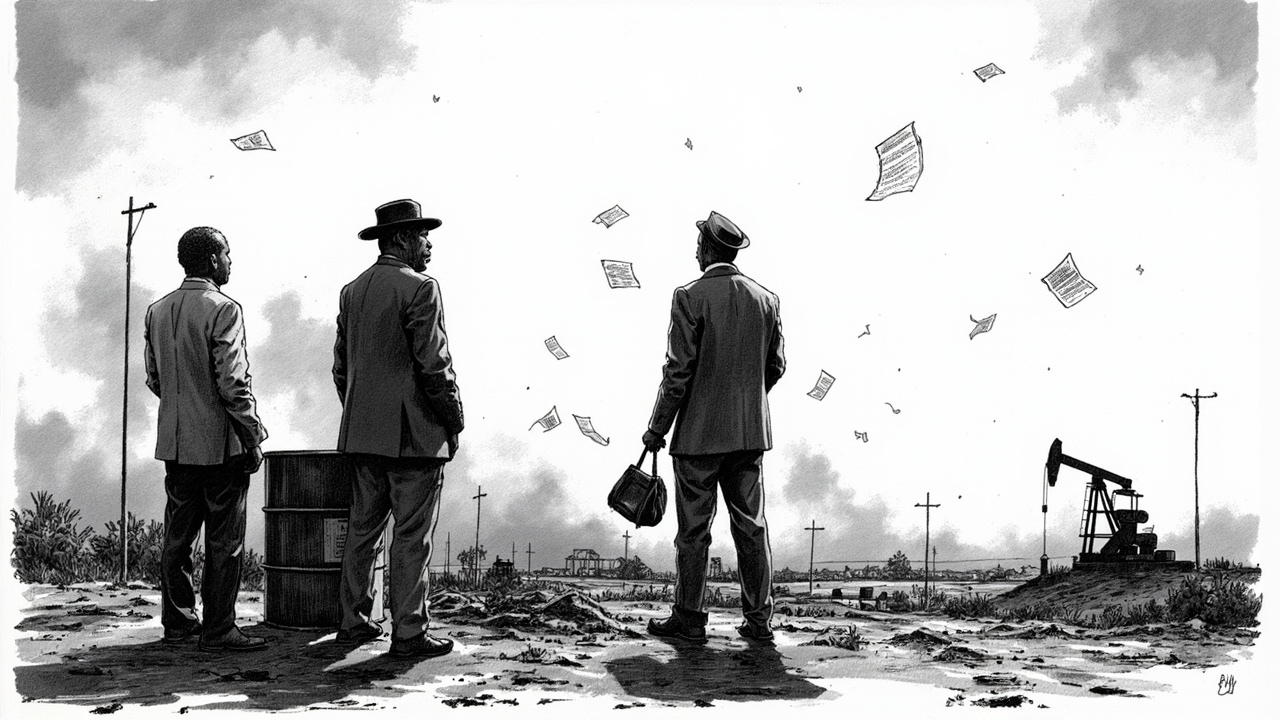
The Middle East crisis is not just a headache for Nigerian consumers at the pump. For the tax collector, it's a stress test the system is likely to fail.
Higher oil prices sound like good news for a petro-state. But Nigeria's crude production limps along below OPEC quotas, and decades of underinvestment mean the country still imports most of its refined fuel. The subsidy bill swells with every barrel price spike, eating into any extra revenue from exports. The net fiscal gain is much smaller than advertised.
Oil revenue: a leaky bucket
Nigeria's government relies on oil for roughly half of its revenue. When prices jump, the Treasury expects a windfall. But the actual outcome depends on production volumes and the opaque mechanics of the NNPC and the Federation Account. The Nigeria Extractive Industries Transparency Initiative (NEITI) has repeatedly flagged discrepancies between what oil companies report and what the government collects.
Meanwhile, the fuel subsidy, officially labeled a "maintenance" cost by the NNPC, consumes billions of dollars that could otherwise shore up the budget. The 2023 subsidy removal was abruptly reversed, and the current regime is anything but transparent. Higher global prices make that hidden subsidy costlier by the day.
Inflation erodes the tax base
The shock is already feeding through to consumer prices. Fuel costs push up transport and food, squeezing household spending. That means lower VAT collections on goods and services, even as the government tries to widen the tax net. The informal sector, which accounts for over 60% of economic activity, remains largely untaxed. FIRS amnesties have brought in some new registrants, but compliance is patchy. Many informal operators simply rejoin the shadows after the amnesty window closes.
The CBN's monetary tightening to curb inflation raises borrowing costs for businesses, which in turn suppresses corporate income tax payments. It's a fiscal whiplash: less revenue from the formal economy, more pressure to borrow.
What investors should watch
I focus on three things. First, FIRS monthly collection data: if oil revenue rises but non-oil dips, the structural weakness is confirmed. Second, the subsidy budget line: any upward revision signals deeper trouble. Third, the spread between Nigeria's Eurobonds and Treasuries. If it widens, markets are pricing in higher default risk.
The government will likely borrow more to cover the gap, crowding out private credit. For investors in Nigerian sovereign bonds, the risk premium just got thicker.
I'm skeptical that the planned tax reforms, including a new Finance Bill, will move the needle soon. The political will to tax the informal sector aggressively is weak, and administrative capacity at FIRS is stretched. VAT refund backlogs remain a sore point for businesses, eroding trust in the system.
Bottom line: the Middle East crisis is exposing Nigeria's chronic inability to capture value from its own resources. The fiscal ward is sick, and higher oil prices are not the medicine it needs.