Nigeria Equity Concentration Hits N130trn as Market Structure Concerns Emerge

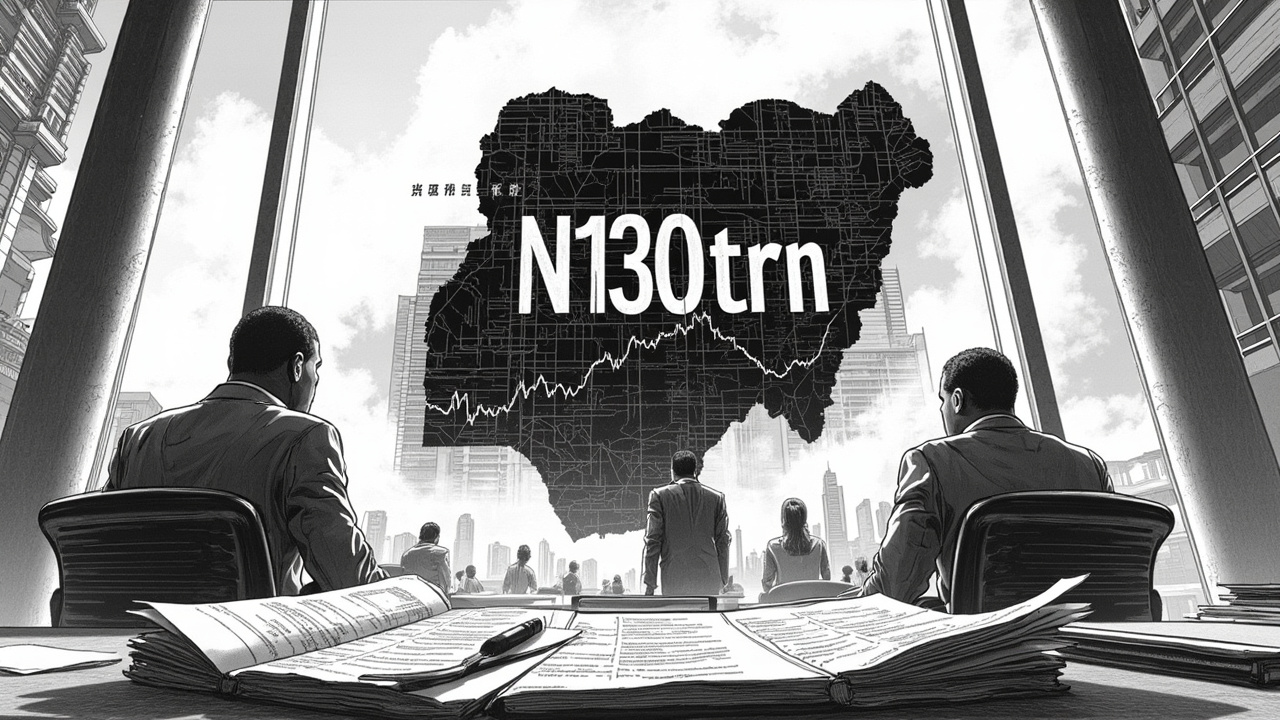
Nigerian Exchange Limited equity valuation reached N130 trillion, marking a record high driven by sustained positive momentum in the stock market section. This milestone represents significant growth in market capitalization, yet the achievement raises important questions about underlying market structure and sustainability that should concern investors.
The disconnect is stark: while market capitalization soars, Nigeria's broader economic fundamentals present mixed signals. Tax collection efficiency remains a persistent challenge across the economy. VAT refund processing faces significant delays, creating cash flow pressures for businesses. The informal sector, representing a substantial portion of Nigeria's economy, contributes disproportionately little to tax revenue. This narrow tax base undermines the sustainability behind current market gains.
Blue-chip concentration creates systemic risk
A small number of major companies now represent a substantial portion of total market valuation. This concentration amplifies volatility - if any major player stumbles, the entire exchange suffers. Trading activity has shown concerning patterns despite the rally, signaling potential liquidity concerns among institutional investors.
The All-Share Index has reached impressive heights, yet gains must be viewed within the context of Nigeria's broader economic challenges. Today's rally occurs amid persistent macroeconomic headwinds including elevated interest rates, currency volatility, and manufacturing sector pressures.
Small-cap stocks lag significantly behind their blue-chip counterparts. Companies outside the top tier of listings show weaker performance, suggesting institutional money flows to perceived safety rather than growth opportunities across the broader market. This bifurcation indicates a two-speed market that may not reflect genuine economic expansion.
Tax policy collision course with capital markets
Federal revenue collection agencies face mounting pressure to increase collections as budget deficits widen. Ambitious collection targets require substantial increases from previous years' performance. Large listed companies present attractive targets for enhanced tax enforcement efforts.
Expect transfer pricing scrutiny to intensify for multinational corporations operating in Nigeria. Tax authorities have expanded their audit capabilities specifically targeting large taxpayer segments. Companies with significant related-party transactions face heightened compliance costs and regulatory attention.
The informal sector remains largely outside the formal tax net despite ongoing digitization efforts. Mobile money platforms process enormous transaction volumes annually, yet current tax mechanisms capture minimal revenue from these flows. This enforcement gap creates competitive disadvantages for compliant listed companies operating under full regulatory oversight.
AfCFTA implementation adds another layer of complexity for Nigerian businesses. Cross-border capital flows within the continental free trade area may trigger new tax obligations. Nigerian companies expanding regionally face uncertain tax treatment, potentially dampening the investment thesis for pan-African expansion strategies.
Risk assessment for investors
The N130 trillion milestone reflects liquidity concentration rather than broad-based economic strength. Investors should prepare for increased regulatory scrutiny on tax compliance, particularly for blue-chip holdings that dominate market valuations.
Watch for policy announcements from tax authorities in coming months. Revenue agencies typically introduce new compliance requirements during budget preparation periods. Companies with weak transfer pricing documentation face material audit risks that could impact profitability.
The bigger warning: this market concentration occurs while Nigeria's tax-to-GDP ratio remains well below optimal levels and significantly under regional averages. Either the market corrects downward to reflect economic realities, or aggressive tax enforcement targets listed companies to close the revenue gap.
Investors should consider whether current valuations adequately price in the regulatory risks facing Nigeria's largest companies. The combination of market concentration, ambitious government revenue targets, and limited alternative tax collection mechanisms suggests listed companies may face increased fiscal pressure.
The N130 trillion achievement deserves recognition, but sustainable market growth requires addressing the structural imbalances between market performance and broader economic fundamentals. Until Nigeria develops a more diversified tax base and reduces its reliance on a narrow group of large taxpayers, market concentration risks will continue to threaten long-term stability.