Beer Price Hikes Reveal Nigeria's Informal Tax Problem

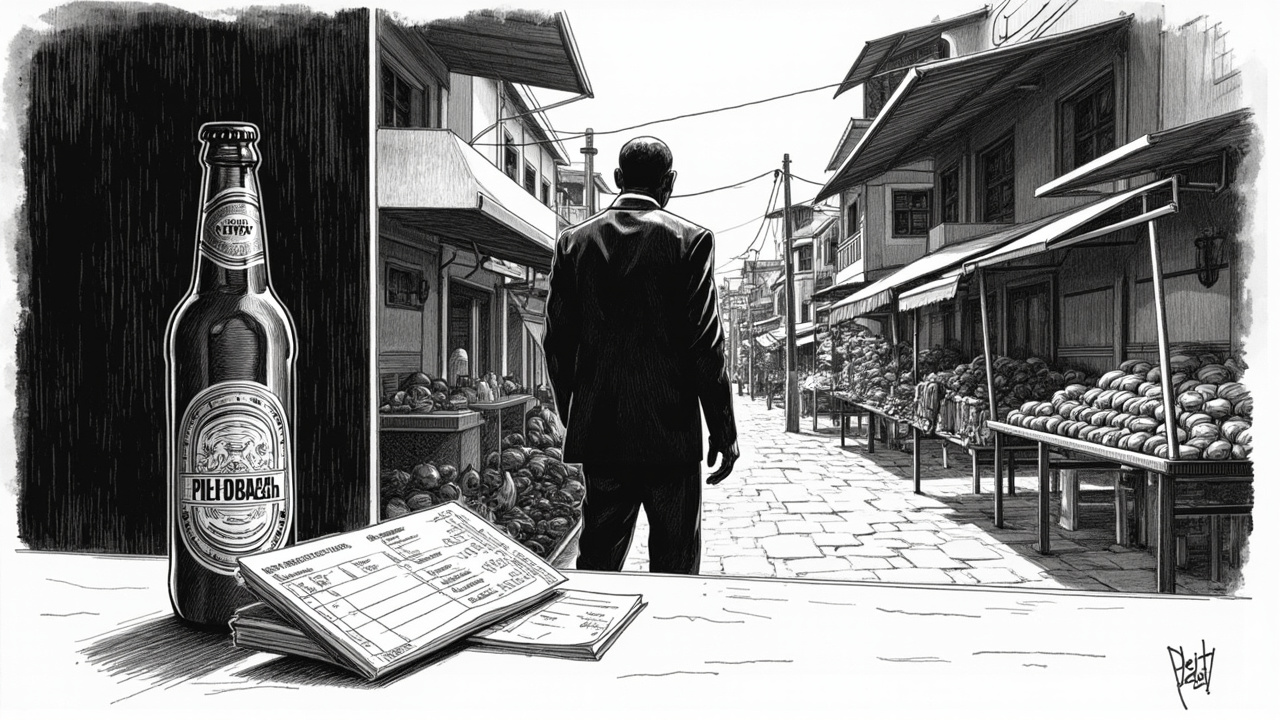
Nigerian Breweries and Guinness Nigeria raised beer and malt drink prices on March 16, 2026. The official story points to high production costs according to West African Pilot News. A skeptical tax analyst sees a different crisis. Nigeria's formal FMCG sector is being squeezed to compensate for a vast, untaxed informal market. When multinationals pass costs to 227 million consumers, the Federal Inland Revenue Service (FIRS) collects more VAT and excise duty per unit. But each price increase pushes more consumption into the informal, untaxed shadow economy. This is a revenue trap, not just a cost problem.
The VAT backdoor for FIRS
Formal brewers act as involuntary tax collectors for the Nigerian state. Every price increase on a registered product from Nigerian Breweries or Guinness Nigeria includes a 7.5% VAT component and a federal excise duty. When these companies cite high costs per Legit.ng, they omit the embedded tax burden that compounds their misery. The FIRS benefits from higher sticker prices even as sales volumes drop. This creates a perverse incentive: the taxman gets more revenue from fewer formal transactions while ignoring the larger, untaxed market. The real question is whether net tax revenue increases or if the higher per-unit take is wiped out by volume collapse.The informal sector's quiet win
Nigeria's informal brewers and spirit blenders operate outside the tax net. They face the same input cost inflation from naira devaluation and energy, but they don't pay excise duty or collect VAT. Their cost base is structurally lower. When formal prices rise, price-sensitive consumers shift to local brews like burukutu, ogogoro, and unregistered spirit brands. This market is massive and invisible to FIRS. The African beer market faces currency and inflation headwinds per Business Insider Africa. In Nigeria, those headwinds accelerate informalization. The government's revenue strategy relies on squeezing compliant entities while the non-compliant sector grows. It's a failing model.I question the sustainability of taxing through multinational price hikes. The Consumer Price Index may show easing inflation, but staple goods like beer tell a story of structural cost-push pressure. The naira devaluation of 2023-2024 hammered import-dependent production. Nigeria's GDP is now the fourth-largest in Africa at $253 billion according to the U.S. Commercial Guide. But its tax-to-GDP ratio remains pathetic. The current path uses formal FMCG companies as a fiscal crutch. Expect more price increases from other sectors as the government avoids the harder work of expanding the tax base. Investors in Nigerian Breweries and Guinness Nigeria face a double bind: rising costs and a shrinking formal market share. The real money might be in distribution networks that can serve both formal and informal channels.