Dangote expansion tests Nigeria's informal sector tax policy

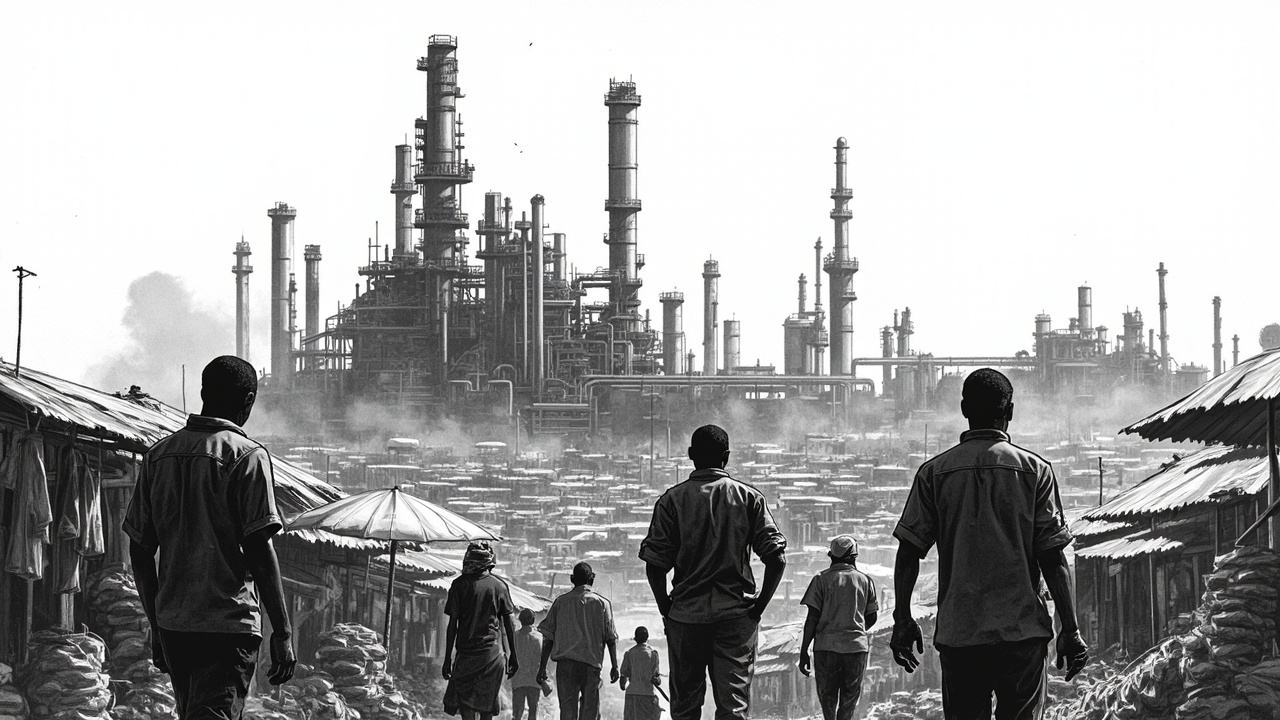
Aliko Dangote calls Nigeria's economy "a crazy situation." His $1 billion cement expansion and refinery ramp-up depend on a state that struggles to collect revenue. The Federal Inland Revenue Service (FIRS) faces a foundational problem: the informal sector evades taxes, while large corporates like Dangote Group bear the compliance burden. This imbalance strains public finances. It also limits the state's capacity to fund the infrastructure Dangote’s industrial projects require. Investors should watch FIRS efficiency as closely as Dangote's output.
Cement growth meets VAT refund backlogs
Dangote Cement plans a $1 billion investment over four years. A new plant aims for 1.5 million metric tonnes annually, according to company data. This vertical integration should protect margins. Yet Nigeria's value-added tax system creates a hidden drag. Large manufacturers like Dangote pay VAT on inputs but wait months, sometimes years, for refunds from FIRS. This functions as an interest-free loan to the government. The backlog ties up working capital that could fund further expansion. It is a direct tax on operational scale. For investors, this means Dangote’s reported earnings may understate its true cash-generating potential, but also its exposure to state liquidity crises.
Refinery listing and stock market liquidity risks
Listing Dangote Refinery could push Nigeria’s stock market value beyond $140 billion, economists project. That would double market capitalization. The Nigeria Midstream and Downstream Petroleum Regulatory Authority (NMDPRA) has halted new petrol import licenses, clearing a path for Dangote’s dominance. But a single entity driving such market growth creates systemic risk. The entire exchange's valuation would hinge on one firm's fortunes and regulatory goodwill. Foreign portfolio investors often avoid concentrated markets. This listing may attract initial euphoria but could deter deeper, long-term capital. The second-order effect is a more volatile Nigerian equity market, not a more mature one.
The core tension is simple. Dangote builds industrial capacity assuming state stability and policy continuity. The state relies on a narrow tax base and cannot efficiently collect from the informal economy. FIRS amnesties and digital reforms have not fixed this. When the next budget shortfall hits, pressure will mount on the few large taxpayers, like Dangote, to deliver more. Investors betting on Nigerian industrialization must also bet on a tax collection revolution that hasn't started.