Adelabu's Gas Pledge Masks Nigeria Power Policy Risks

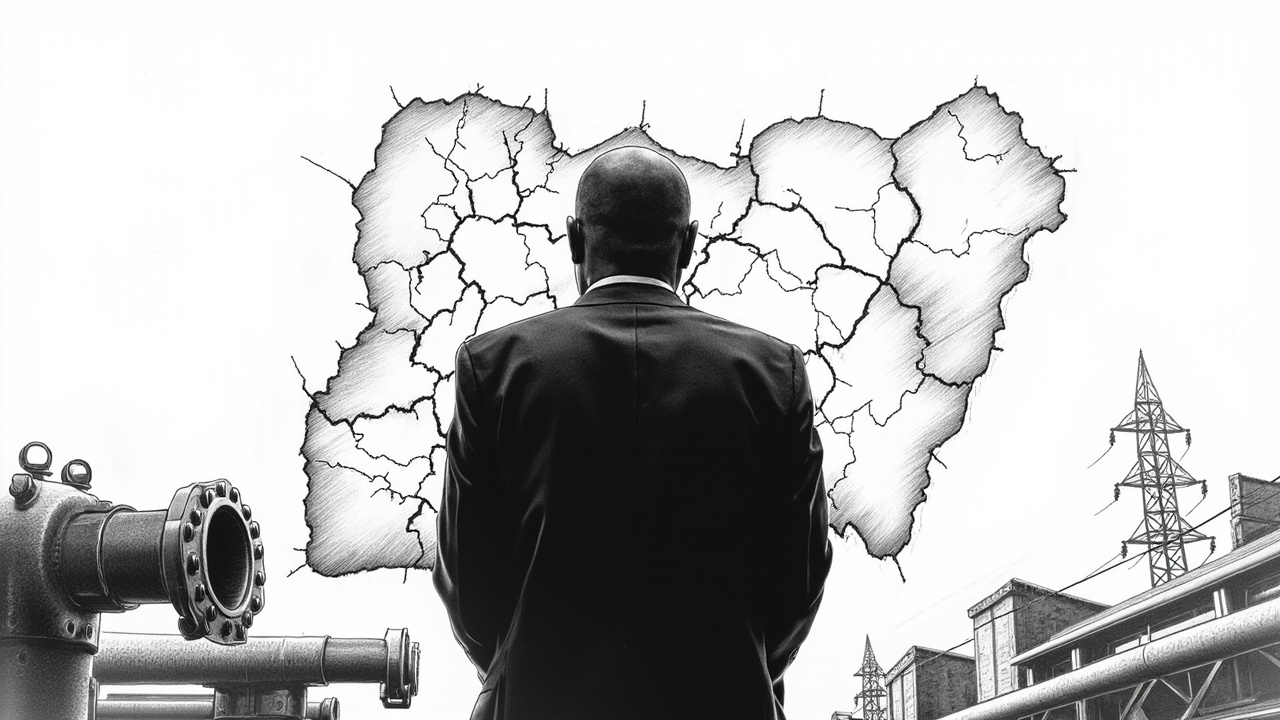
Power Minister Adebayo Adelabu says the federal government will tackle gas shortages constraining electricity generation. According to Allafrica.com, he stated this on March 24, 2026, at the Akwa Ibom Power Summit. This follows a similar promise on March 20, per Businessday.ng. Investors should ignore the rhetoric. Nigeria's power crisis stems from policy failures, not just gas supply.
the electricity act's unfulfilled promise
The Electricity Act was signed into law last year (2025). It aims to decentralize the power industry under President Bola Tinubu's "Renewed Hope Agenda." Yet gas shortages persist, cutting national supply. This suggests implementation is stalled. Investors face delayed reforms and uncertain returns. Per Thewillnews.com, the Act promotes state-level partnerships, but gas constraints remain a federal bottleneck. The risk is continued blackouts despite legislative change.
who wins and loses in the gas crisis
Gas producers might see higher prices from scarcity. Power generators, or GenCos, lose revenue when plants idle. The Akwa Ibom government is charting a path to an independent power market, according to Thewillnews.com. This signals state frustration with federal solutions. For investors, it creates fragmentation risk. Some may find opportunities in localized projects, but national grid stability suffers. Expect more state-level deals, diluting centralized investment appeal.
the afcfta energy gap
As a critical pan-African analyst, I question regional integration claims. AfCFTA promises harmonized regulations and cross-border energy trade. Nigeria's internal gas shortages expose domestic policy failures that spill over. Investors in West African power pools must factor in Nigeria's unreliable supply. This undermines confidence in regional projects. The second-order effect is slower integration, hurting cross-border investment flows.
Adelabu's pledge is a stopgap. Real fixes need gas infrastructure investment and regulatory clarity. Investors should prioritize projects with dedicated gas supply or off-grid solutions. The national power market will stay high-risk until structural issues are addressed. Bet on state-level initiatives, but avoid grid-dependent ventures.