Nigeria power grid enforcement exposes 2027 election risk

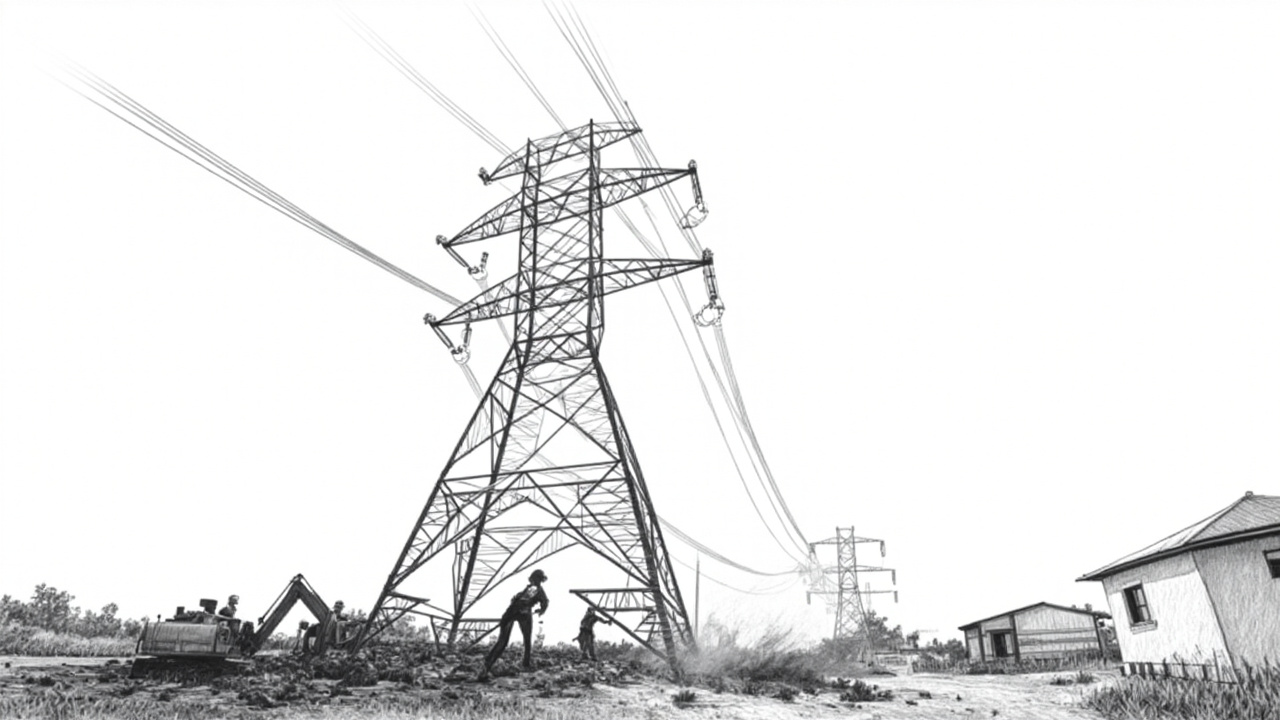
The Transmission Company of Nigeria cleared buildings from a 330kV line in Kaduna's Kudenda area this month. Kaduna State Urban and Regional Planning Agency (KASUPDA) and security forces joined the operation, per TCN News. The same playbook ran in Kano last April. Officials call it critical infrastructure protection. Investors should see it as protection against political disruption before the 2027 presidential vote.
Grid security worsens with political heat
Nigeria's grid collapses after a single vandal attack. TCN's demolition fixes a symptom, not the security failure. The company must clear its right-of-way to prevent outages. This enforcement shows a grid that is physically exposed. A spike in politically sponsored vandalism is expected as the 2027 election nears, according to African Energy analysis. Businesses relying on consistent power face a direct operational risk. Blackouts will likely increase, not decrease, when political campaigns intensify.
Financial inclusion takes a hidden hit
Property owners in Kudenda and Kano absorbed the immediate loss. The state secured a transmission corridor. Investors must watch second-order effects. Reliable power in Kaduna could slightly benefit industrial clusters. The incentive for political actors to use vandalism as a cheap disruption tool remains. It also funds criminal networks that politicians can mobilize. Grid security will probably deteriorate through 2026 and into 2027. Operating costs for manufacturers will rise. More businesses will switch to expensive diesel.
From a payments analyst's view, this instability hits agent networks hardest. Unreliable power creates more dormant mobile money accounts. It strains float management because agents cannot reconcile transactions or process withdrawals electronically. KYC enforcement weakens when agents operate offline. The grid's fragility becomes a systemic risk for financial inclusion metrics that investors track. TCN's bulldozers treat one symptom. The disease is a political economy that profits from infrastructure sabotage. Until that changes, Nigeria's power sector stays a high-risk, low-reliability bet.