PABF Condemns Iran-UAE Attack: Nigeria's Hidden Risk?

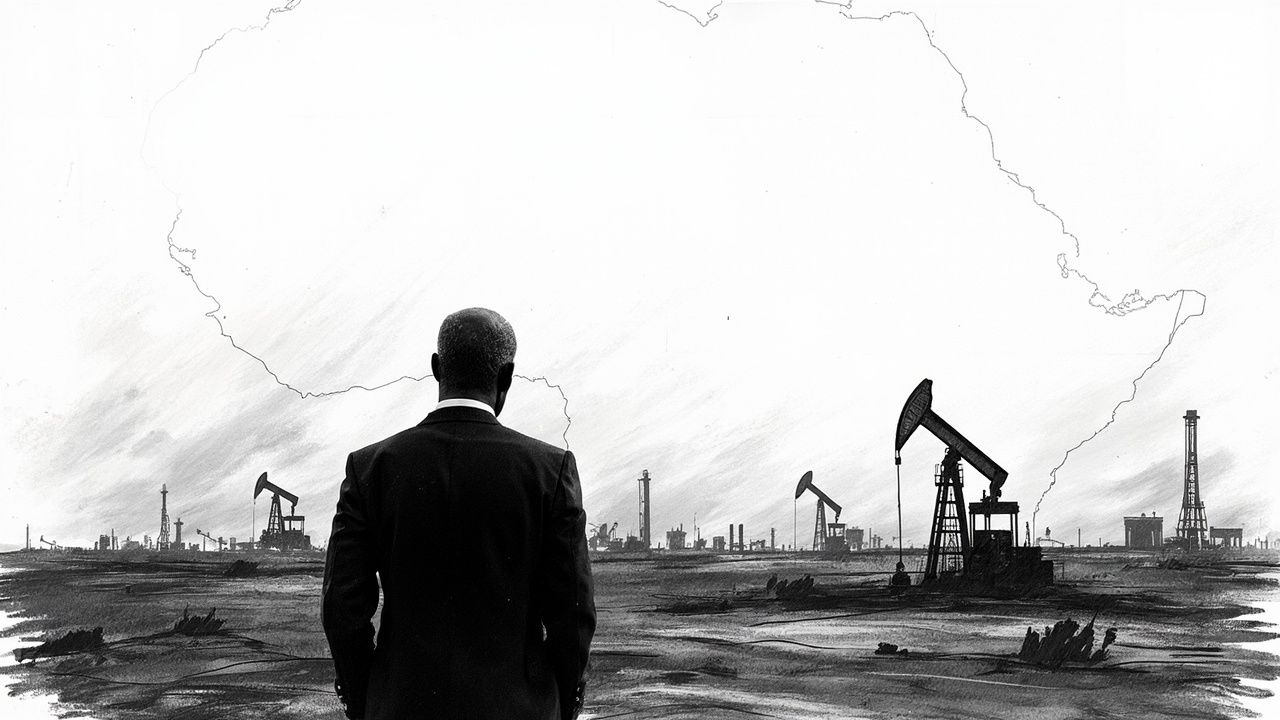
The Pan African Business Forum issued a statement on May 8 condemning Iran's attack on the UAE and calling for de-escalation. That is fine as far as statements go. But investors in Nigerian markets should not mistake a press release for risk management. The real story is what this conflict does to Nigeria's fiscal position, and whether anyone is ready for it.
The PABF represents a cross-section of African business interests. Its alarm signals that the attack threatens trade corridors, investment flows, and supply chains that run through UAE. For Nigeria, that matters a lot. The UAE is a top trading partner for Nigerian oil and a hub for imports, expatriate remittances, and capital flight. A sustained disruption in the Gulf, whether from missile strikes, shipping insurance spikes, or broader regional instability, could hit Nigeria's foreign exchange reserves and government revenue hard.
What the PABF statement leaves out
The forum condemned "Iran's attack" and urged "immediate de-escalation" according to Businessday NG. Missing from that text is any mention of economic contingency planning for African countries. The PABF is a business lobby, not a crisis response unit. Its members will adjust portfolios quietly. The risk is that Nigerian policymakers also stay quiet, assuming the noise will pass.
That assumption is dangerous because Nigeria's revenue collection has structural cracks. The federal government still depends on oil for about half of its revenue. A price spike from Gulf instability would boost crude receipts temporarily. But the FIRS lacks the administrative muscle to capture windfall gains from the informal sector, which is over 60% of the economy. Past tax amnesty programs like VAIDS recovered only a sliver of what was owed. The question is not whether oil revenue rises, but whether any of it sticks.
The tax capacity question
This is where the skeptical tax analyst looks at the numbers that are not there. The Nigerian government has struggled for years to broaden its tax base. VAT refund backlogs persist. Compliance costs for formal businesses remain high, pushing activity into the shadows. A geopolitical shock that inflates oil revenue can actually delay reform. Why fix the tax system when crude exports are doing the job? That logic breaks down the moment oil prices recede or production falters.
The PABF statement signals real external risk. The attack on UAE is not a Nigerian event, but its second-order effects, on trade, oil prices, shipping insurance, investor sentiment, will ripple through Nigerian markets. The country's fiscal authorities have not shown they can respond nimbly. Expect the CBN to burn reserves defending the naira if oil revenue spikes attract import demand. Expect FIRS officials to issue more press releases about tax compliance rather than actually broadening the base.
The blunt verdict
Investors should watch oil prices and the Nigerian sovereign spread. The PABF's condemnation is a signal of serious disruption, not a solution. Nigeria's tax system is not equipped to handle a windfall, or a downturn. The risk is that policymakers use this crisis as another excuse to delay structural reforms. The quiet winners could be traders who hedge oil exposure. The losers? Anyone relying on sustained fiscal discipline to stabilize the naira.