Oando Gas Supply Deal Tests Nigeria's Fragmented Power Sector

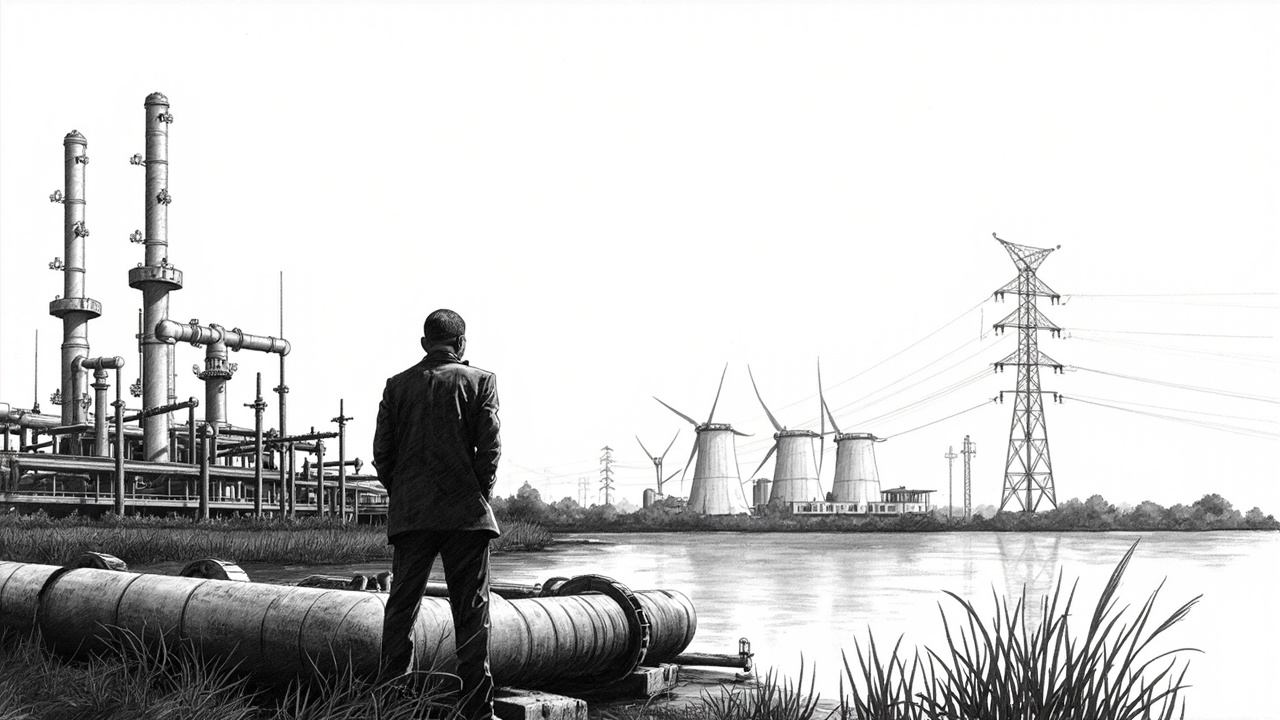
Oando PLC's joint venture began delivering gas to a 60-megawatt power plant in Yenagoa on April 16, 2026. The arrangement provides a local solution to Nigeria's grid failures but does not address the power sector's core structural problems. Oando's upstream venture with NNPC E&P Limited now feeds the Bayelsa facility. The company holds the 29th position by market value on the Nigerian Exchange (NGX) with a NGN 597 billion capitalization according to market data. Investors should note that this deal represents capital flowing toward small-scale, off-grid infrastructure rather than national transmission fixes.
Fragmentation over reform
This 60MW project demonstrates Nigeria's shift toward a decentralized electricity strategy. The national grid remains unreliable, forcing state governments and industrial users to develop independent generation. Bayelsa, located in the gas-rich Niger Delta, experiences chronic power shortages despite its resource wealth. The new plant addresses a local need but highlights systemic failure. Nigeria's Petroleum Industry Act (PIA) of 2021 aimed to spur gas investment through clearer regulation and pricing. Yet major pipeline projects and large-scale gas-to-power initiatives remain stalled as of 2026. The Nigerian Electricity Regulatory Commission (NERC) has approved tariff structures that continue to deter substantial private investment in grid-scale generation.
Payment and political exposure
The joint venture structure with NNPC E&P Limited introduces political risk. NNPC, the state oil company, is a partner. This links Oando's project returns to shifting government priorities and potential policy reversals. Nigeria's power sector suffers from chronic payment defaults. The Nigerian Bulk Electricity Trading Plc (NBET) has consistently failed to cover its obligations to generation companies. While this 60MW plant serving a specific region may bypass central payment mechanisms, it creates direct counterparty exposure to the Bayelsa state government. Oando's stock, trading under ticker OANDO, reflects these sector-wide challenges per its public listing. The company bets its upstream gas can find reliable offtakers in the power sector. The risk is that distribution companies or state governments delay payments, squeezing cash flow from what should be a stable asset.
For investors, this move signals a cautious, pragmatic approach. Oando demonstrates an ability to monetize gas domestically in a power-starved market. If replicated, this model could provide revenue streams less correlated with volatile global oil prices. But the current scale is negligible. The larger implication concerns Nigeria's energy transition. Projects like this lock in fossil gas infrastructure for decades, contradicting climate pledges while meeting immediate economic needs. Expect similar small-scale projects from Seplat, ND Western, and other indigenous producers. They are building a parallel, decentralized power system because the national grid is broken. The AfCFTA’s energy trade protocols remain distant. Nigeria cannot power itself consistently, let alone export electricity to neighbors. Oando's deal represents a tactical move within a failing system, not evidence of reform success.