Nigeria vs South Africa Insurtech Platforms: 2026 Market Models Compared

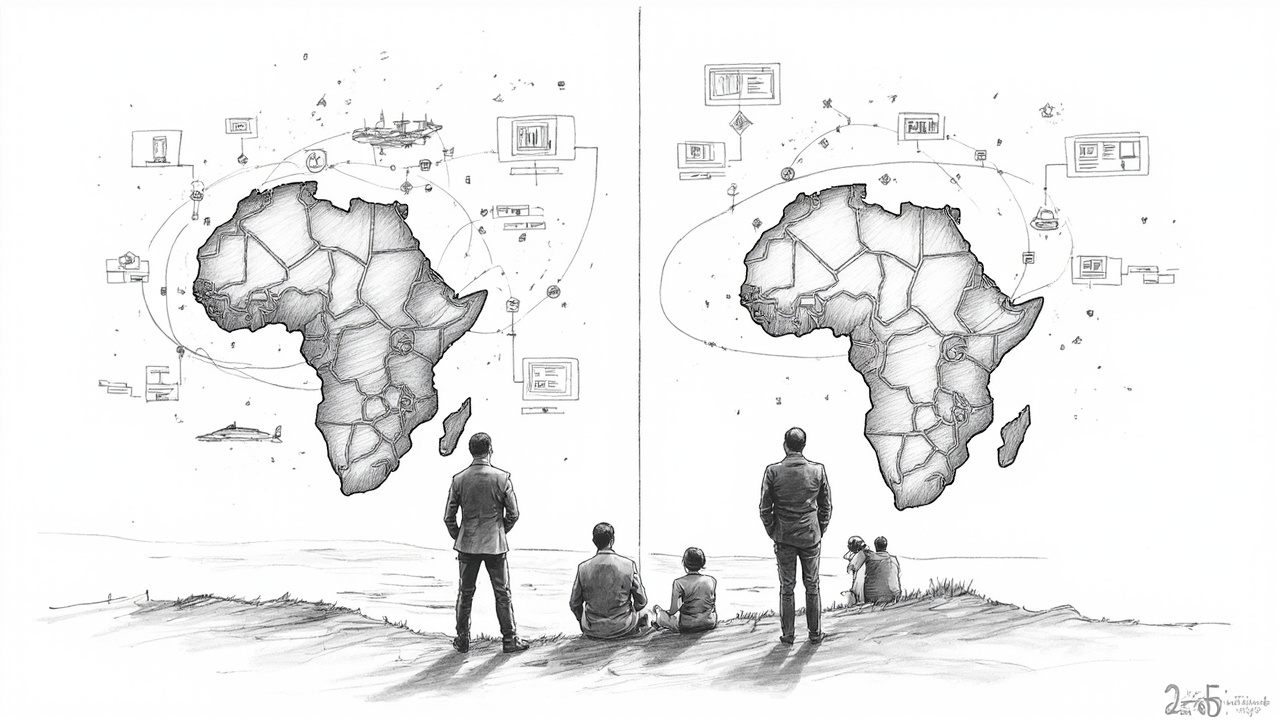
Nigeria and South Africa are building two distinct digital insurance markets. Nigerian platforms embed coverage into daily transactions. South African firms create standalone digital brands. For entrepreneurs and investors, the choice depends on whether you need an infrastructure partner or a consumer-facing product.
Market Models: Enablers vs. Carriers
Nigerian insurtechs like Curacel and Heinsberg operate as B2B enablers. They provide claims automation and embedded insurance APIs for banks, retailers, and telecoms. Their revenue comes from technology fees and commissions. This model targets Nigeria's low insurance penetration by attaching coverage to existing purchases.
South Africa's Naked Insurance and Pineapple are full-stack, digital carriers. They underwrite risk directly, using AI and telematics for personalized premiums. Revenue is earned from underwriting profits. This approach serves a market with higher traditional insurance uptake but demand for better digital experiences.
Platform Analysis: Integration and Costs
Integrating a Nigerian B2B platform typically costs $5,000 to $20,000 upfront, with ongoing revenue shares of 10 to 25 percent. Implementation takes four to eight weeks. These platforms handle regulatory licensing, allowing partners to sell insurance without becoming insurers themselves.
Using a South African B2C platform as a customer has minimal upfront cost. For businesses white-labeling via a provider like Click2Sure, setup starts around ZAR 50,000. Timelines are similar to Nigeria. The key difference is risk ownership. In South Africa's B2C model, the platform holds the capital.
Strategic Implications for 2026-2027
Parametric insurance, which uses real-time data like weather to trigger automatic payouts, is expanding for agriculture and logistics. Regulatory sandboxes from Nigeria's NAICOM and South Africa's FSCA are clarifying digital insurance rules, enabling more product experiments.
For entrepreneurs, the choice is binary. Add insurance to an existing service? Use a Nigerian B2B enabler. Create a new insurance brand? Consider a South African white-label or full-stack model. Test the customer journey personally before committing. Buy a small policy and note the claims process.
For investors, due diligence must focus on unit economics. Examine loss ratios for full-stack carriers. For infrastructure plays, assess client pipelines and integration stickiness. Market size is vast, but scaling requires deep compliance knowledge and local partnership networks.
The divergence in models reflects each market's stage. Nigeria solves for access. South Africa solves for experience. Your strategy should match the problem your customer actually faces.