Nigeria's Shea Export Ban Reshapes Agriculture Markets

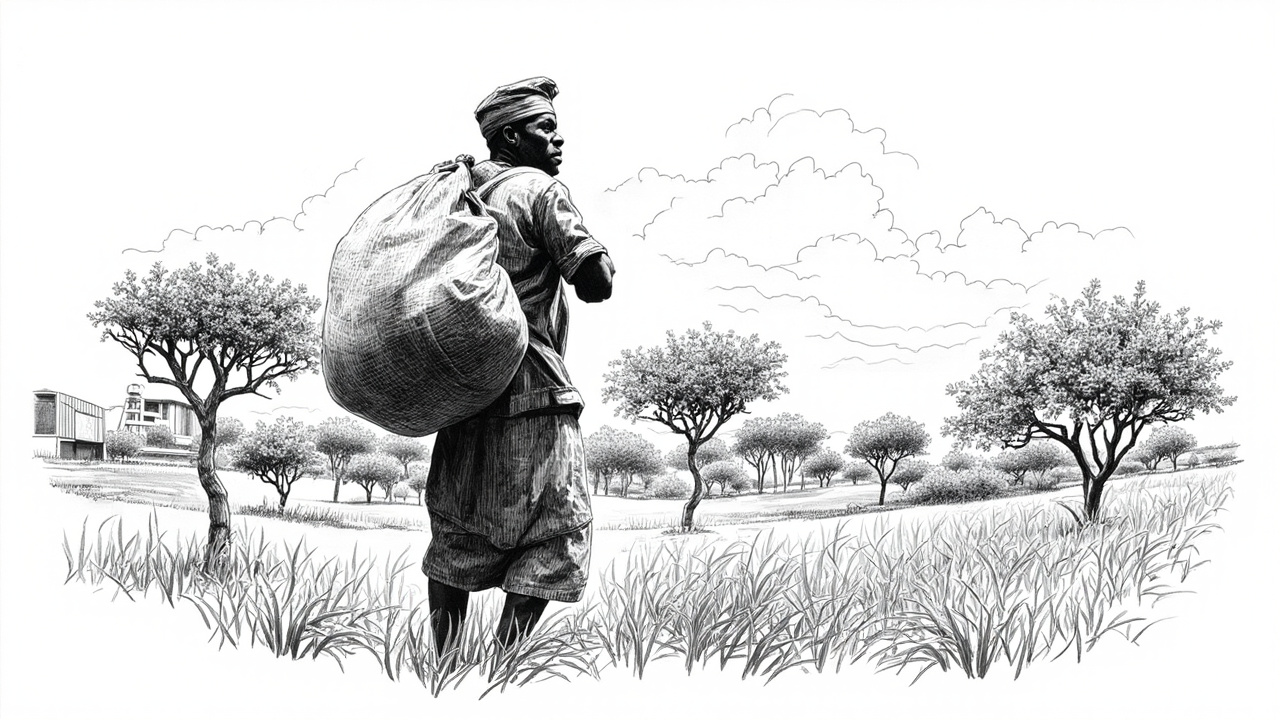
The Federal Government of Nigeria announced a six-month ban on raw shea nut exports in early 2025. This policy aims to boost local processing and value addition. The ban started in January 2025 and will run through June 2025. It applies to all unprocessed shea nuts leaving Nigerian ports. The Nigerian Export Promotion Council will enforce the restriction. The government wants to create more jobs in processing plants. It also seeks to increase export earnings from finished shea products. The policy emerged after months of debate within the Federal Ministry of Agriculture and Rural Development. Officials noted that Nigeria exports over 80% of its shea nuts raw. This leaves most profits with foreign processors. The ban represents a sharp turn in Nigeria's agricultural trade strategy. It follows similar moves with other commodities like cocoa. The government hopes to replicate success seen in local rice milling. That sector grew after import restrictions were imposed. The shea industry employs about 16 million women in northern Nigeria. Most work as collectors and primary processors. The new policy could shift their roles toward more advanced production. Critics worry about short-term income losses for these women. Supporters argue for long-term gains in value capture. The ban coincides with broader challenges in Nigerian agriculture. Floods damaged crops across several states in late 2024. These floods affected rice, maize, and vegetable farms. The National Emergency Management Agency reported 300,000 hectares submerged. Crop losses exceeded 40% in some flooded regions. Food prices have risen sharply as a result. The National Bureau of Statistics recorded a 25% year-on-year increase in food inflation in January 2025. This inflation compounds existing pressures from currency devaluation. The naira lost 30% of its value against the dollar in 2024. This made imported farm inputs more expensive. Fertilizer prices doubled in local currency terms. Many farmers reduced planting areas for the 2025 season. The shea export ban adds another layer to this complex picture. Processors now face a sudden influx of raw nuts. They must scale operations quickly to absorb the supply. This requires capital investment and technical upgrades. The Central Bank of Nigeria offers agricultural credit at 9% interest. But access remains limited for small-scale operators. The government plans to support processors through the Anchor Borrowers' Programme. This program provides loans and technical assistance. It has previously focused on rice and wheat farmers. Expanding it to shea could ease the transition. The success of the ban depends on processing capacity. Nigeria currently has about 50 medium to large shea processing plants. These include Shea Origin Nigeria and Nuli Foods. Their combined capacity can handle only 60% of annual shea nut production. The remaining 40% typically gets exported raw. The ban creates a supply glut unless capacity expands rapidly. New plants take 12-18 months to build. This timeline exceeds the six-month ban period. Processors may struggle with storage and financing in the interim. The government acknowledges these challenges. It promises fast-tracked permits for new processing facilities. The Standards Organisation of Nigeria will simplify certification for shea products. This should help businesses meet export quality standards. The ban also affects international buyers. European and American cosmetics companies rely on Nigerian shea butter. They may face supply disruptions or higher prices. Some could shift sourcing to other West African producers. Ghana and Burkina Faso have growing shea industries. They might gain market share during Nigeria's export pause. Nigerian officials downplay this risk. They argue that quality Nigerian shea butter will retain demand. The ban's impact extends beyond shea. It signals a broader policy shift toward value addition. The government may impose similar restrictions on other raw agricultural exports. Cocoa, sesame, and ginger are potential candidates. This could reshape Nigeria's entire agricultural export profile. The move aligns with the National Agricultural technology and Innovation Policy. That policy emphasizes agro-processing and industrialization. Its goal is to increase agriculture's contribution to GDP from 25% to 40% by 2030. The shea ban serves as a test case for this ambitious target. Floods and price volatility complicate the policy's implementation. Farmers in Niger, Kogi, and Anambra states lost crops to floods. Many rely on shea collection for supplemental income. The ban could help them if local processing demand rises. But flood recovery may delay their participation. The government allocated 50 billion naira (about $33 million USD) for flood relief. This funding supports farm rehabilitation and input subsidies. It may offset some flood-related losses. The shea policy's timing amid these disasters shows government commitment to long-term restructuring. Market reactions have been mixed. The Nigerian Stock Exchange's agriculture index rose 5% in February 2025. Investors anticipate growth in processing companies. But smallholder farmers express concern about immediate sales. The ban prohibits exports but does not guarantee domestic purchase prices. Processors could压低 prices due to oversupply. The government plans price stabilization measures. It will establish a minimum support price for shea nuts. This price should protect farmers from exploitation. The success of such measures remains untested. Previous price support schemes faced implementation issues. The shea ban represents a bold experiment in Nigerian agricultural policy. Its outcomes will influence future decisions on export controls and value addition.