Nigeria Launches Lagos Gold Refinery and $600M Lithium Plant

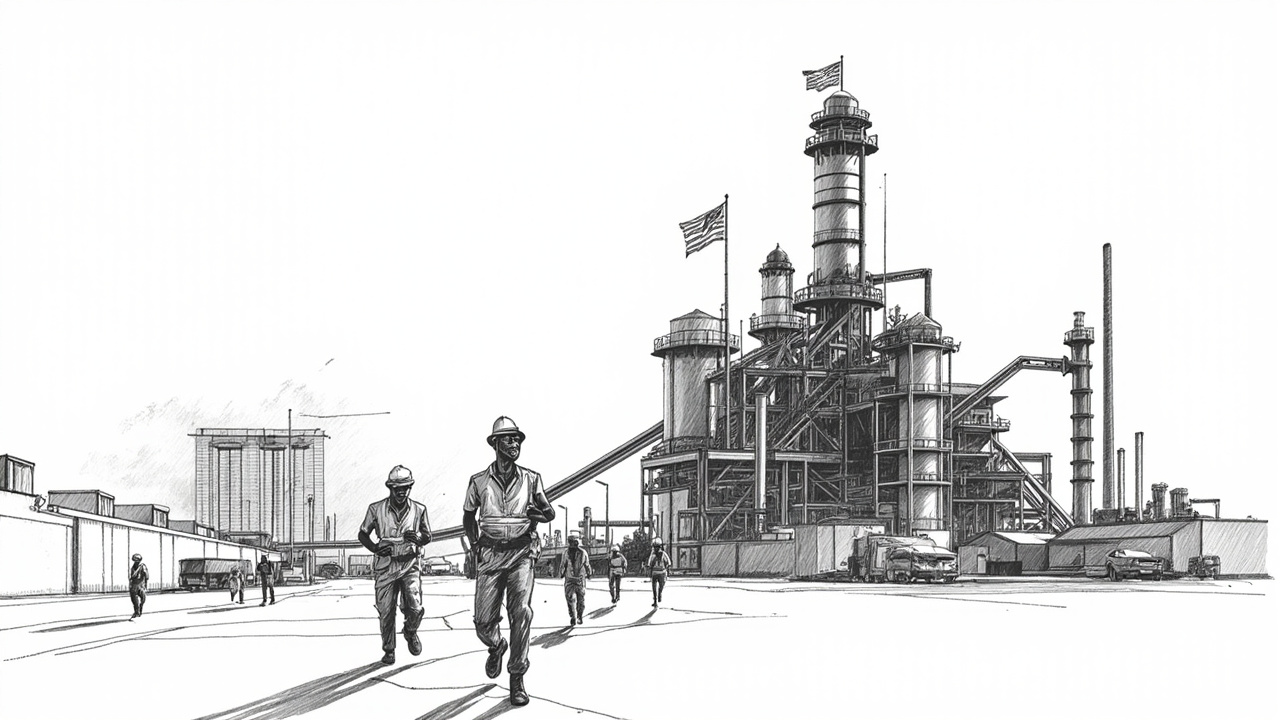
Nigeria Opens Lagos Gold Refinery and Advances Lithium Plant
The Nigerian government launched a new high-purity gold refinery in Lagos on October 26, 2024. The government also announced a $600 million lithium processing plant will begin construction in early 2025. Both projects are part of Nigeria's value-addition mining policy. The Ministry of Solid Minerals Development oversees these initiatives.
Details of the Gold Refinery Project
The Lagos gold refinery has an annual capacity of 3 metric tons. It will process raw gold from Nigerian mines into 99.99% pure gold bars. The refinery cost approximately ₦15 billion to build, which equals about $10 million. It received permits from the Nigerian Mining Cadastre Office and the Standards Organization of Nigeria. The refinery will create 150 direct jobs and 500 indirect jobs in Lagos State.
The $600 Million Lithium Plant Initiative
The lithium processing plant represents a $600 million investment. Construction will start in Q1 2025 in Nasarawa State, with completion expected by late 2026. The plant will process lithium ore into battery-grade lithium hydroxide. This project requires environmental impact assessments from the National Environmental Standards and Regulations Enforcement Agency. The plant aims to produce 50,000 metric tons of lithium hydroxide annually. It will support Nigeria's goal to become a key player in the global electric vehicle supply chain.
Why It Matters
Nigeria's mining sector contributed only 0.3% to GDP in 2023, according to the National Bureau of Statistics. The government wants to increase this to 3% by 2027. These projects directly support that target. Nigeria has substantial mineral resources but exports most raw materials. The gold refinery and lithium plant will add value domestically. This could reduce Nigeria's reliance on oil exports, which accounted for 90% of foreign exchange earnings in 2022. The lithium plant specifically targets the growing electric vehicle market. Global lithium demand is projected to increase by 500% by 2030, according to the International Energy Agency.
What Businesses Should Watch
Companies in mining, logistics, and renewable energy should monitor several developments. First, watch for new regulations from the Ministry of Solid Minerals Development. The government may introduce tax incentives for mineral processing. Second, observe infrastructure improvements. The government plans to upgrade roads and power supply in mining regions. Third, track international partnerships. Nigerian officials are negotiating with companies from China, Canada, and Australia. Fourth, monitor local content requirements. The government may mandate that 40% of mining jobs go to Nigerian citizens. Fifth, watch for environmental compliance. The National Environmental Standards and Regulations Enforcement Agency will enforce strict standards.
Broader Economic Context
Nigeria's economy grew by 2.5% in 2023, with inflation at 28.9% in December 2023. The mining sector needs significant investment to meet government targets. The African Development Bank estimates Nigeria requires $50 billion in mining investment by 2030. These new projects represent a small but important step. Other Nigerian mining projects include the Segilola gold mine in Osun State and the Ewekoro limestone quarry. The Segilola mine produced 84,000 ounces of gold in 2023. The lithium plant will complement existing mining operations. Nigeria has lithium deposits in Nasarawa, Kogi, and Ekiti states.
Implementation Challenges
Several challenges could affect these projects. Nigeria faces security issues in mining regions. Bandit attacks have disrupted mining activities in the northwest. The government plans to deploy a special mining police force. Another challenge is infrastructure. Many mining sites lack reliable electricity and good roads. The government promises to address this through public-private partnerships. A third challenge is funding. The $600 million lithium plant requires foreign investment. Nigerian officials are courting investors from Europe and Asia. The success of these projects depends on overcoming these obstacles.
Next Steps for Stakeholders
The gold refinery will begin full operations in November 2024. It will source gold from licensed miners across Nigeria. The lithium plant will start site preparation in January 2025. Both projects will create training programs for local workers. The government will also establish a mineral testing laboratory in Abuja. This lab will certify mineral quality for export. Businesses should engage with the Ministry of Solid Minerals Development for updates. The ministry will publish new guidelines for mineral processing in December 2024.