Nigeria's $406K Vaccine Store Rebuild Exposes Climate Risk Gap

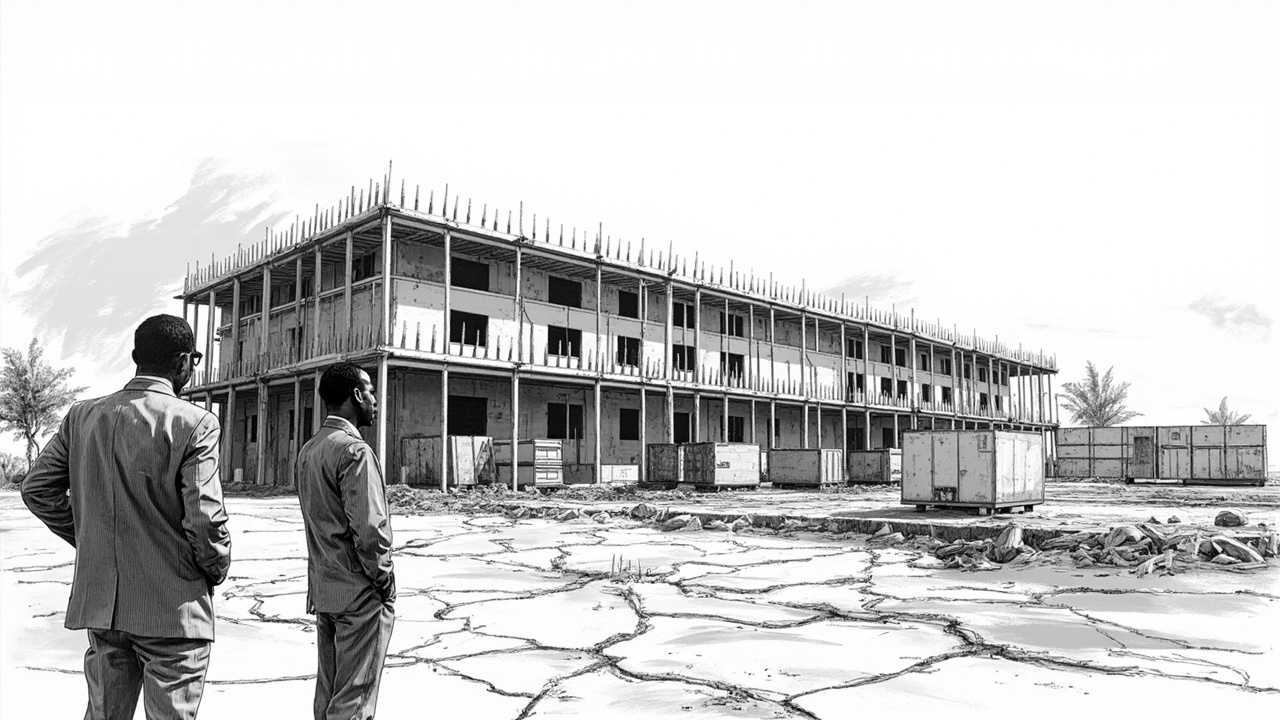
Flood damage reveals infrastructure vulnerability
Nigeria's Federal Government commissioned a $406,000 UNICEF-funded vaccine storage facility in northern Nigeria, replacing infrastructure destroyed by floods that wiped out critical vaccine supplies. The rebuild highlights a troubling pattern: Nigeria builds critical health infrastructure in flood-prone zones without adequate climate resilience planning.
The original facility's destruction created cascading costs beyond the replacement value. Cold chain equipment replacement, emergency vaccine procurement, and supply chain disruption likely created substantial economic losses exceeding the rebuild cost. This pattern signals poor infrastructure risk assessment for investors evaluating Nigeria's health sector capacity.
Fiscal constraints make repeated rebuilds unsustainable
Nigeria's constrained fiscal capacity makes these disaster-rebuild cycles particularly damaging. The Federal Government relies heavily on donor funding for vaccine infrastructure while facing ongoing domestic revenue collection challenges, particularly from the informal sector that dominates northern states. The $406,000 rebuild represents a significant investment in Nigeria's health infrastructure, but climate-related infrastructure damage will accelerate as flooding intensifies.
Government cash flow constraints already create fiscal pressure. Adding repeated disaster rebuilds creates additional strain when Nigeria should be investing in climate-resilient infrastructure from the start. The current approach wastes scarce resources that could address broader health system gaps across the country's numerous local government areas.
International partnerships and infrastructure resilience
Global health advocates have raised concerns about pathogen-sharing agreements tied to vaccine funding, noting that countries must share epidemic-related data with Washington without guaranteed access to resulting drugs or vaccines, according to Reuters. This creates negotiation complexities for Nigeria in future infrastructure deals.
The rebuilt facility's solar power capabilities, per TV360 Nigeria, suggest some climate adaptation learning. But without comprehensive flood-proofing specifications, similar vulnerability persists. Minister Pate's inauguration signals political priority, but the real test is whether Nigeria develops climate-resilient infrastructure standards that prevent future losses.
Investment implications for health sector
For health sector investors, this rebuild exposes Nigeria's reactive rather than proactive infrastructure approach. The pattern of donor-funded emergency replacements cannot scale across Nigeria's extensive health system needs. Private sector partnerships in health infrastructure must factor climate resilience costs upfront rather than assume government disaster recovery capacity.
The UNICEF partnership demonstrates international commitment to Nigeria's vaccine infrastructure, but sustainability requires moving beyond emergency replacement cycles. Investors evaluating Nigeria's health sector must consider climate vulnerability as a core risk factor affecting long-term asset viability and operational continuity.
Building climate-resilient health systems
Nigeria's health infrastructure investment case depends significantly on addressing climate vulnerability in facility planning and construction standards. The current rebuild offers an opportunity to establish new resilience benchmarks, but success requires systematic implementation across the health system.
Without proactive flood-proofing standards implemented before future rainy seasons, Nigeria risks continued facility losses across northern states. The economic inefficiency of repeated rebuilds undermines health system strengthening goals and creates unnecessary fiscal burden on government resources.
The $406,000 investment represents more than facility replacement—it's a test case for Nigeria's commitment to climate-adapted health infrastructure. Success requires moving beyond emergency response toward comprehensive resilience planning that protects critical health assets from predictable climate risks.
For Nigeria's health sector development, the rebuilt vaccine store symbolizes both vulnerability and opportunity. The question remains whether this expensive lesson will drive systematic change in infrastructure planning or simply restart the cycle of climate damage and costly reconstruction.