Nigeria's CBN Reserve Confidence Masks Fiscal Reality Check

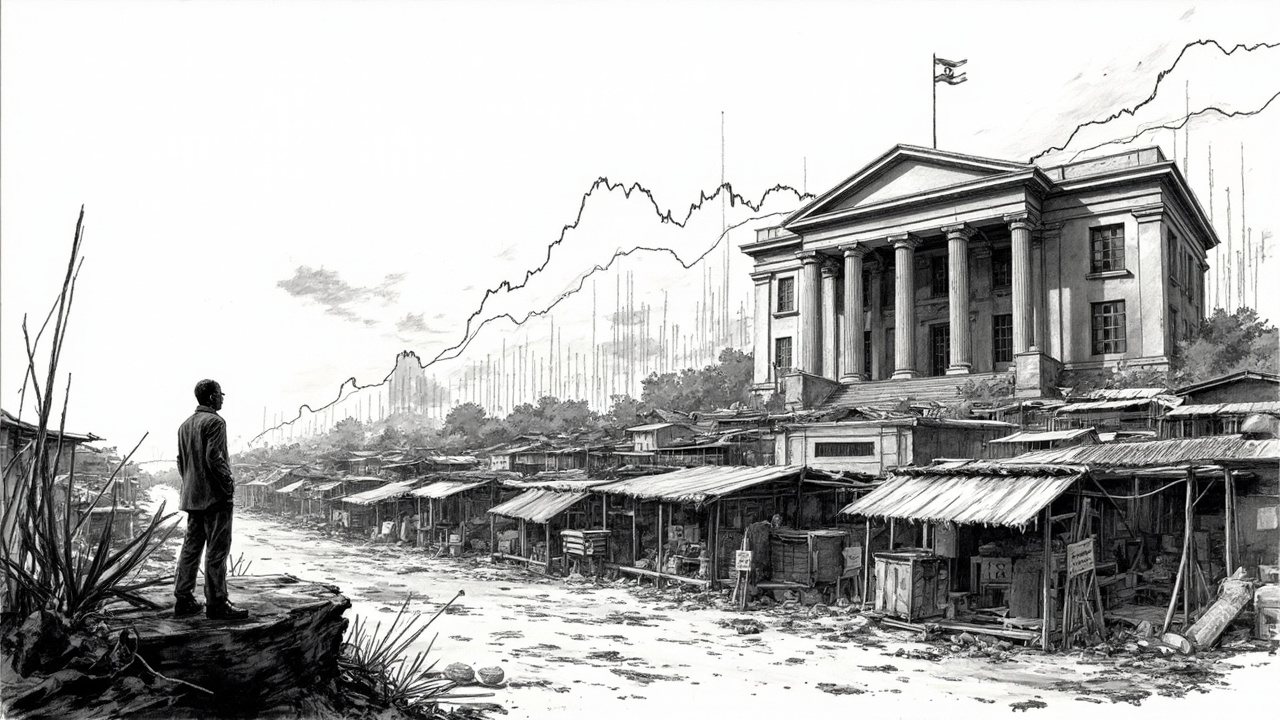
The Central Bank of Nigeria says its foreign exchange reserves are strong and market liquidity is improving. For investors, that official confidence is a starting point, not an endpoint. The real question is what underpins these buffers. Nigeria's gross external reserves rose from $40.19 billion at the end of 2024 to $50.45 billion by mid-February 2026, according to market data. The CBN itself states the FX market is now 'more liquid, less central bank-driven as confidence improves' per a recent announcement. I see a fiscal story those numbers don't tell. Reserves built on borrowing or volatile portfolio flows are not the same as reserves built on a broad, efficient tax base. Nigeria struggles with the latter.
The liquidity claim versus the revenue base
Improved FX market liquidity is a technical win. It does not fix the government's chronic revenue problem. The CBN can cite strong external buffers, but the federal budget remains hostage to oil price swings and a narrow tax net. The informal sector, which dominates economic activity, contributes little to government coffers. This mismatch means the state cannot rely on consistent domestic revenue to defend the naira during the next oil price slump. Recent reserve growth may reflect debt inflows and delayed imports more than durable economic strength. When those loans come due, the pressure returns.
The tax compliance burden is a hidden anchor
Minister of Finance Wale Edun calls reforms 'durable and resilient.' I look at the ground-level compliance cost. Businesses face VAT refund backlogs that tie up working capital. Transfer pricing disputes with the Federal Inland Revenue Service drag on for years. These are not minor administrative hiccups. They are a tax on formal sector investment. They push activity into the informal shadow economy, further eroding the tax base. The CBN's monetary policy cannot solve this. A liquid FX market is meaningless if local manufacturers are strangled by refund delays and audit uncertainty. Who benefits? Informal operators and those with the connections to navigate the system. Who loses? Compliant firms and foreign investors expecting a predictable fiscal environment.
Investors should watch the Federal Ministry of Finance's next quarterly report. If non-oil revenue growth lags behind reserve accumulation, the CBN's optimism is built on sand. The second-order effect is more pressure for higher tariffs and stealth taxes on the formal sector to make up the shortfall. Expect more aggressive FIRS audits. The risk is a policy cycle that punishes compliance and rewards informality, weakening the very foundation external reserves are meant to protect. The CBN can talk up liquidity, but without a fiscal turnaround, these buffers are a temporary shield.