CBN Projects Petrol Price Surge to N950 by 2026

CBN Forecasts Petrol Price at N950 per Litre in 2026
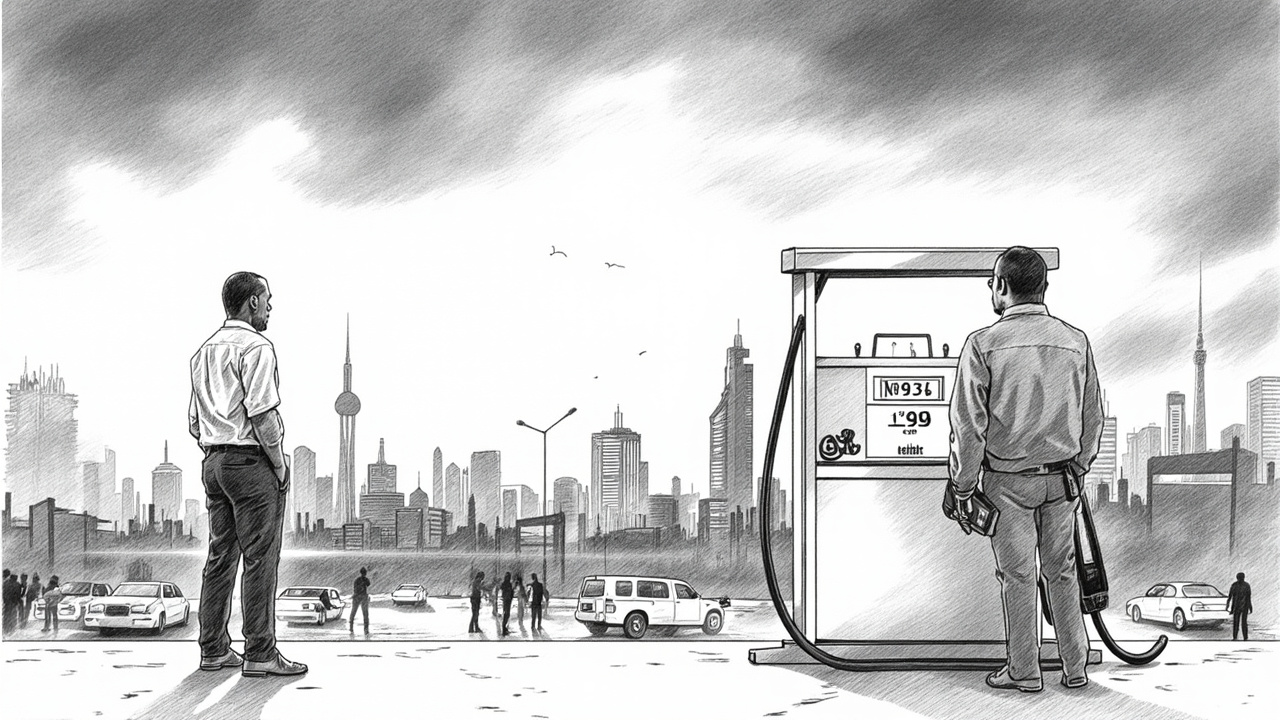
The Central Bank of Nigeria forecasts petrol prices will reach N950 per litre by 2026. This projection comes as current market prices show significant variation across Nigeria's fuel distribution network. The Dangote Petroleum Refinery currently sells petrol at N699 per litre at its gantry. Authorized distributor MRS Oil retails petrol at N739 per litre. These prices represent the current market reality before the projected increase.
Current Fuel Market Landscape
Nigeria's fuel market operates with multiple price points across different distribution channels. The Dangote Refinery's N699 gantry price serves as a wholesale benchmark for many distributors. Retail outlets like MRS Oil add distribution costs to reach their N739 consumer price. This price structure exists within Nigeria's broader economic context. Inflation reached 33.95% in May 2024 according to the National Bureau of Statistics. The naira traded at N1,483 to the US dollar in June 2024. These economic factors directly influence fuel pricing decisions.
Why It Matters
Fuel prices impact nearly every sector of Nigeria's economy. Transportation costs affect food prices and consumer goods distribution. Manufacturing operations depend on reliable power generation, often from petrol-powered generators. The projected N950 price represents a 28% increase from current retail levels. This increase could push Nigeria's inflation rate higher. The National Bureau of Statistics reported transportation costs rose 25% year-over-year in 2023. Higher fuel prices would exacerbate this trend. Businesses across Nigeria must prepare for these cost pressures.
Economic Implications of Rising Fuel Costs
Higher petrol prices will increase operational costs for Nigerian businesses. Logistics companies face direct fuel expense increases. Manufacturers using generator power will see electricity costs rise. These increased costs typically pass to consumers through higher prices. The Nigerian Economic Summit Group estimates transport costs account for 30% of food prices in urban areas. A 28% fuel price increase could push food inflation beyond current levels. The Central Bank's Monetary Policy Committee raised interest rates to 26.25% in May 2024 to combat inflation. Further fuel price increases may require additional monetary policy responses.
What Businesses Should Watch
Companies should monitor several key indicators in Nigeria's fuel market. Watch for changes in the Dangote Refinery's gantry pricing, which serves as a market benchmark. Track retail price movements at major distributors like MRS Oil. Monitor exchange rate fluctuations, as Nigeria imports some refined petroleum products. The naira's value against the dollar directly affects import costs. Observe inflation data from the National Bureau of Statistics. Fuel price changes typically appear in inflation reports within two months. Consider energy efficiency investments to reduce fuel dependency. Explore alternative power sources where feasible.
Government Policy Considerations
The Nigerian government faces difficult policy decisions regarding fuel pricing. The Petroleum Products Pricing Regulatory Agency oversees fuel price regulations. Complete subsidy removal in 2023 contributed to current price levels. Further price increases may require social intervention programs. The National Social Investment Programme currently provides conditional cash transfers to 15 million households. Additional support may become necessary if fuel prices reach N950. The government must balance fiscal responsibility with social stability concerns.
Industry Response and Adaptation
Major Nigerian companies are already adjusting to changing fuel dynamics. Dangote Group's refinery represents a strategic move toward domestic production capacity. The facility can process 650,000 barrels per day when fully operational. This reduces Nigeria's dependence on imported refined products. Other companies are exploring energy alternatives. Nigerian Breweries invested in solar power at its Lagos facility in 2023. MTN Nigeria expanded its generator-to-grid conversion program across 100 sites. These adaptations help mitigate fuel price volatility.
Consumer Impact and Behavior Changes
Nigerian consumers will feel the impact of rising fuel prices directly. Transportation costs for commuting and goods movement will increase. Household budgets will face pressure from multiple directions. The National Bureau of Statistics reports transportation accounts for 15% of average household spending. This percentage rises to 25% for low-income households. Consumers may reduce discretionary travel and consolidate shopping trips. Public transportation usage may increase as personal vehicle costs rise. These behavioral changes will affect retail patterns and service demand.
Long-Term Energy Transition Considerations
Nigeria's energy landscape continues evolving beyond immediate fuel price concerns. The Nigerian Midstream and Downstream Petroleum Regulatory Authority oversees sector development. The Petroleum Industry Act of 2021 created new frameworks for investment and regulation. renewable energy projects are gaining traction despite current fuel dominance. The Nigerian Electricity Regulatory Commission approved tariffs for 13 solar mini-grid projects in 2023. These projects serve 20,000 households and businesses. Such developments represent gradual movement toward energy diversification.
Strategic Planning for Nigerian Businesses
Forward-looking companies should develop comprehensive fuel management strategies. Conduct detailed cost analyses to understand fuel exposure across operations. Implement monitoring systems to track fuel consumption and pricing trends. Explore fuel hedging arrangements where available through financial institutions. Consider fleet optimization and route planning to reduce transportation fuel use. Evaluate renewable energy investments with realistic payback periods. The Nigerian Investment Promotion Commission offers incentives for qualifying energy projects. These strategic moves can help businesses navigate the projected price environment.
Market Outlook and Timing Considerations
The Central Bank's 2026 projection provides businesses with planning time. Two years allows for strategic adjustments and operational changes. Companies should use this period to implement cost-control measures. Monitor quarterly fuel price data from the Petroleum Products Pricing Regulatory Agency. Watch for policy announcements from the Federal Ministry of Petroleum Resources. Track capacity utilization at the Dangote Refinery and other domestic facilities. These indicators will help businesses anticipate actual price movements. Proactive planning now can mitigate the impact of future price increases.