Morocco Tourism Payments Hit Processor Exit Risk as Fee Caps Bite

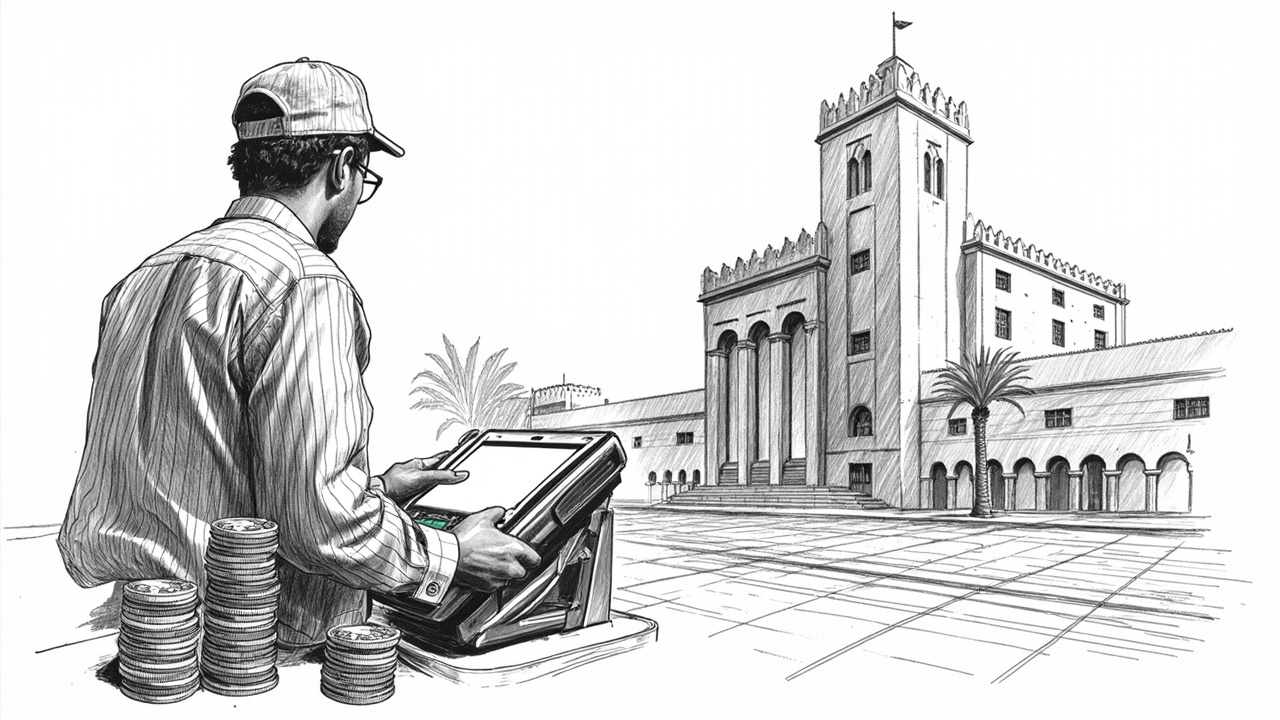
Margin squeeze forces processor consolidation
Morocco's interchange fee cap creates challenging unit economics for payment processors serving tourists. The regulatory ceiling significantly reduces revenue potential compared to international markets, while processors still face substantial fraud costs and chargebacks on international cards.
Visa's partnership with Attijariwafa Bank masks deeper structural issues. The Conseil de la Concurrence's dismantling of Centre Monétique Interbancaire's processing monopoly adds competitive pressure precisely when margins face regulatory constraints. More players competing for the same reduced revenue streams accelerates market consolidation pressures.
The merchant discount rate economics favor established banks over independent processors. Attijariwafa Bank can cross-subsidize payment operations with foreign exchange and lending revenues. Smaller acquirers face difficult strategic choices: exit tourism payments or operate with compressed margins on every transaction.
Cash dependency reveals infrastructure challenges
Cash still dominates Moroccan commerce despite Bank Al-Maghrib's National Payments Strategy initiatives. This reflects ongoing terminal deployment challenges in tourism destinations outside major urban centers. Street vendors in Marrakech souks and Atlas Mountain guesthouses struggle to absorb interchange fees given their traditionally thin operating margins.
Mobile wallet adoption has grown significantly, but fee regulations apply equally to all electronic payments. This creates uniform margin pressure across payment methods while leveling competition between cards and digital wallets. The result: merchants increasingly make acceptance decisions based on transaction economics rather than payment technology preferences.
Premium hotels deploy payment terminals to attract international visitors seeking familiar payment options. Traditional merchants often maintain cash-only operations, creating payment friction that potentially undermines Morocco's digital tourism marketing efforts.
Market consolidation pressures intensify
Attijariwafa Bank emerges well-positioned for market consolidation. Its established tourism sector relationships and ability to subsidize payment operations through diversified banking services create competitive advantages smaller players struggle to match.
The sustainability test comes during peak tourism seasons. If transaction volumes increase but processor margins remain under regulatory pressure, market exits become increasingly likely. Independent payment companies serving tourism merchants face particular challenges - unlike banks, they cannot offset processing constraints with deposit or lending income streams.
Regional payment market experiences offer relevant context for Morocco's trajectory. Fee cap implementations elsewhere have historically led to processor consolidation, sometimes leaving merchants with fewer payment options despite regulatory intentions to increase competition.
Morocco's tourism payments market appears headed toward significant consolidation. Attijariwafa Bank's integrated banking model provides natural advantages, while international players must evaluate Morocco's strategic value within broader regional expansion plans.
Tourism payment friction persists
For travelers visiting Morocco, payment should be as simple as in their home countries. Whether booking hotels, paying taxis, buying souvenirs, or handling other tourism expenses, seamless payment experiences remain essential for visitor satisfaction.
The regulatory framework aims to reduce payment costs, but implementation creates unintended consequences for payment infrastructure development. Processors facing margin pressure may reduce terminal deployment or limit merchant support services, potentially slowing digital payment adoption in tourism-dependent areas.
Merchant education becomes crucial as payment economics shift. Tourism businesses must understand how regulatory changes affect their payment options and costs. Some may need to adjust pricing strategies or payment acceptance policies to maintain profitability while serving international visitors.
The tension between regulatory cost reduction goals and payment infrastructure investment needs will likely shape Morocco's tourism payment landscape for years to come. Success requires balancing tourist convenience, merchant economics, and processor sustainability within the regulatory framework.
Market observers expect continued consolidation as companies adapt to the new regulatory environment. The ultimate outcome will determine whether Morocco achieves its vision of seamless tourist payments or faces ongoing friction between regulatory objectives and market realities.